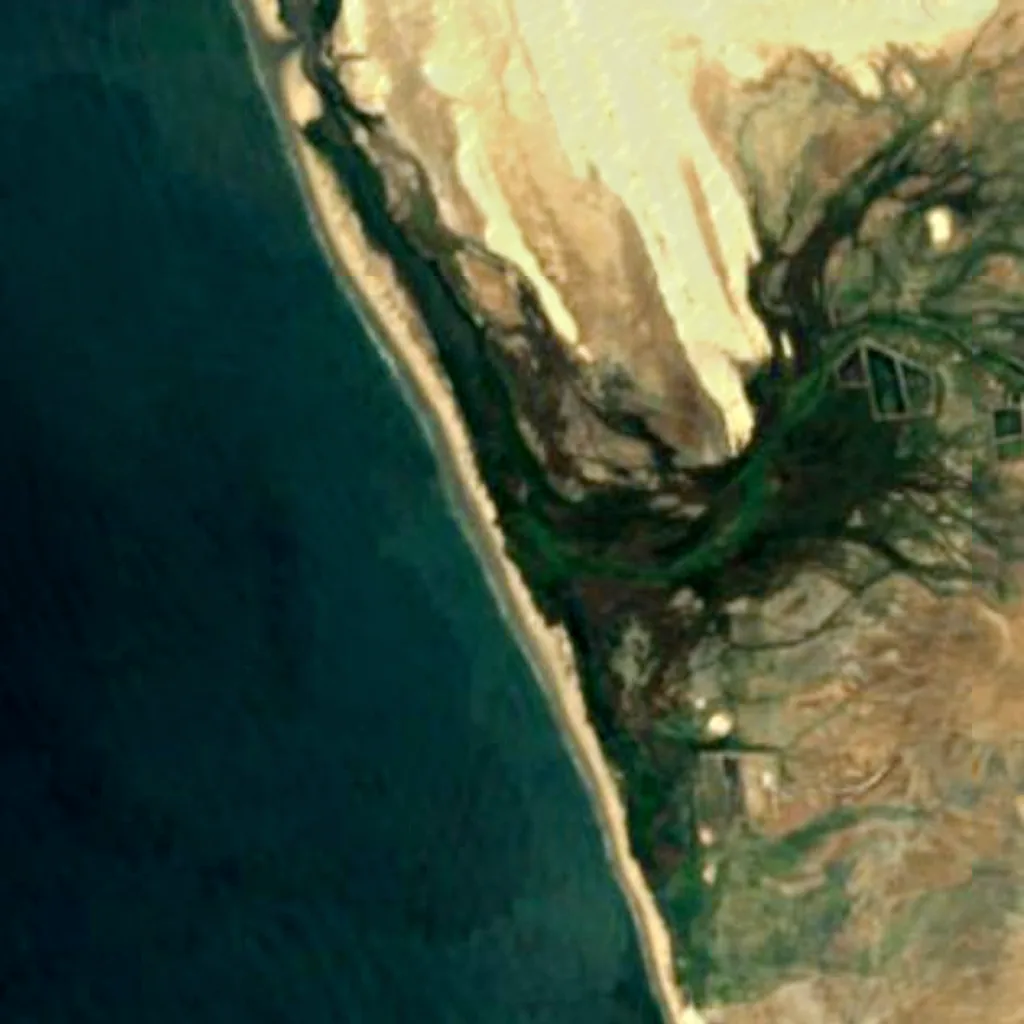
 Peru Ramsar wetland
Piura mangroves
142 bird species recorded; the most in March, in May and in October.
Sentinel-2 cloudless 2016 by EOX IT Services GmbH (contains modified Copernicus Sentinel data), CC BY 4.0, with relief shading from Copernicus WorldDEM-30
This month here
91 species in January.100 species in February.116 species in March.73 species in April.118 species in May.47 species in June.65 species in July.88 species in August.72 species in September.109 species in October.84 species in November.83 species in December.
The birds you are most likely to see in the month you choose, those that come for the season first. It opens on today's month.
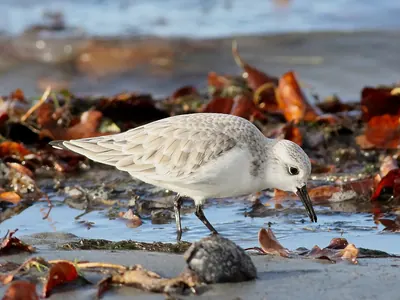
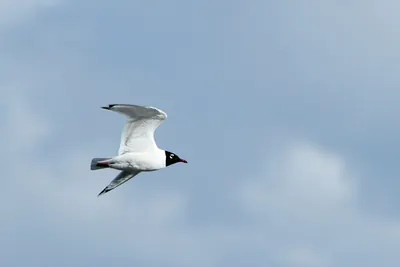
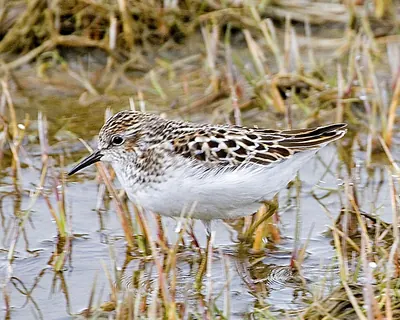 NT
NT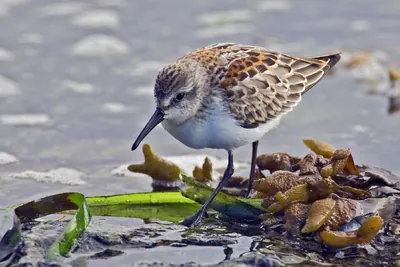
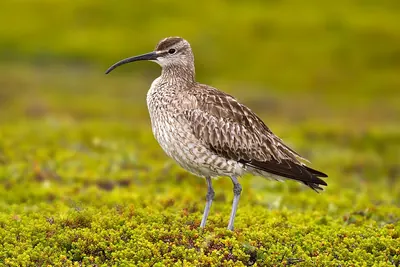
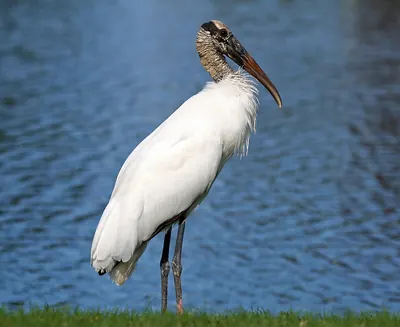
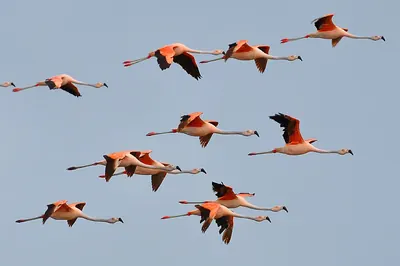 NT
NT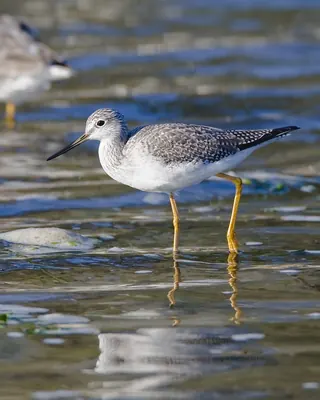 NT
NT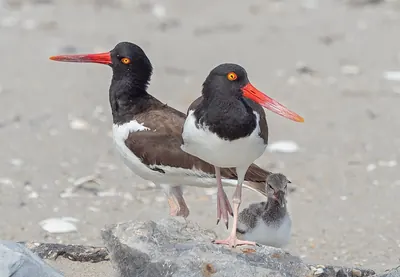
 VU
VU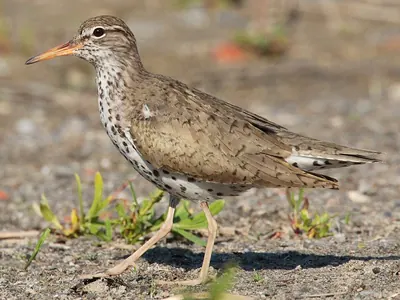
 NT
NT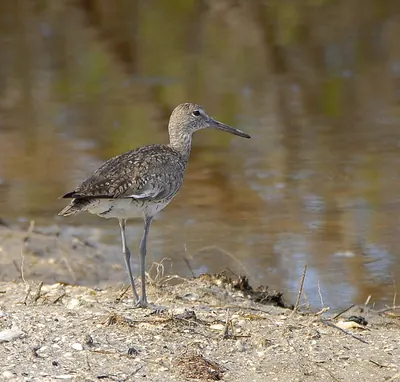
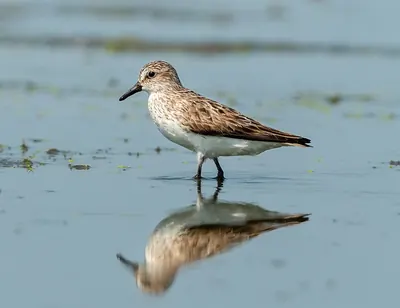 NT
NT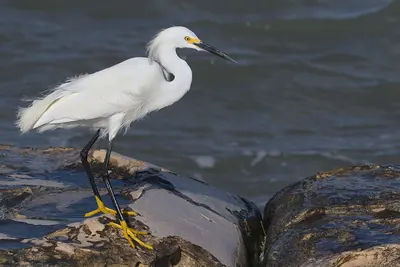
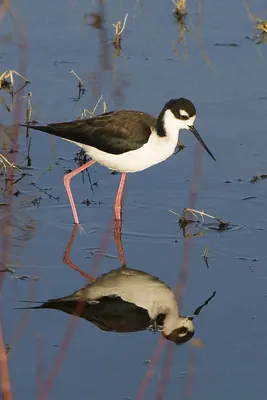
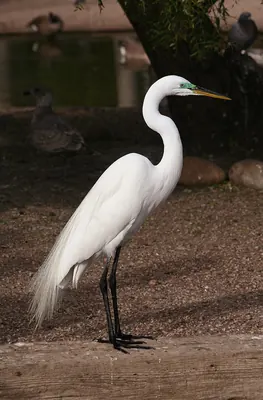
 VUNTNTVUNT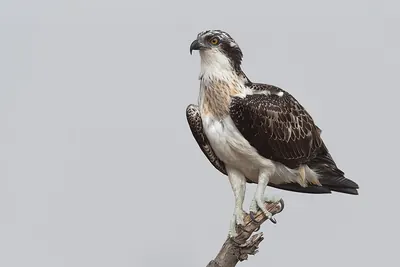
 NTVU
NTVU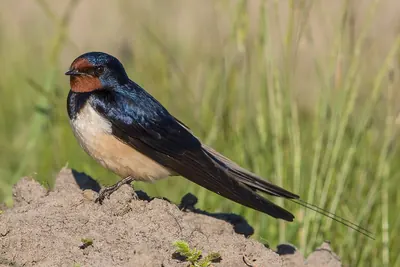
 NTNT
NTNT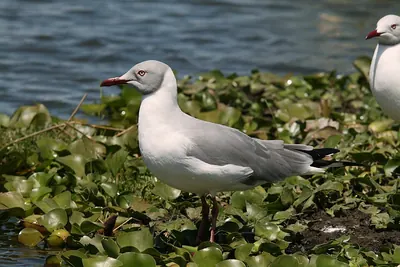 NT
NT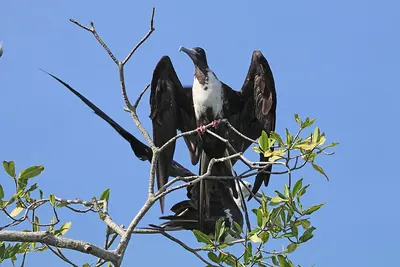 NTVU
NTVU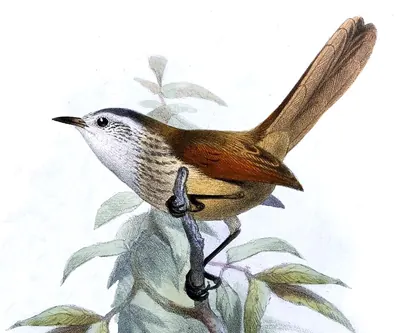
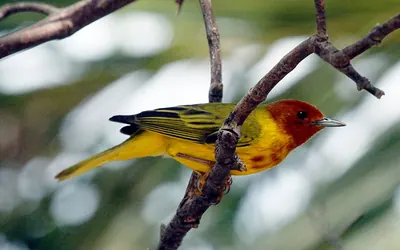 NT
NT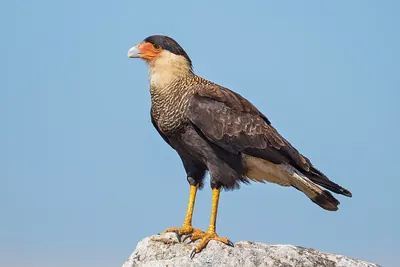 NTNT
NTNT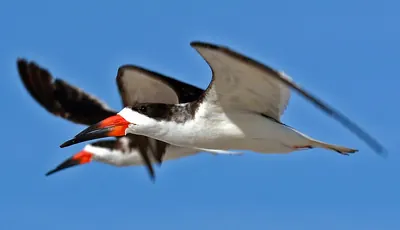 VUNT
VUNT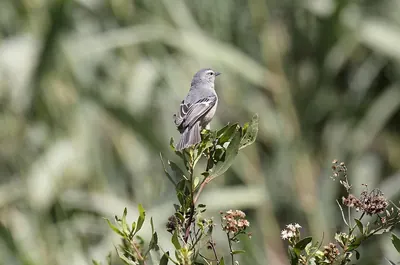
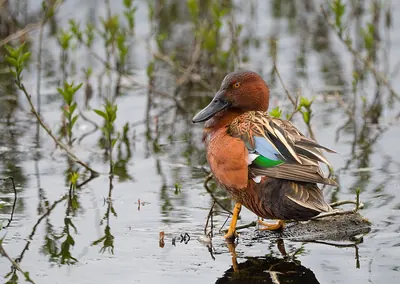 VUNT
VUNT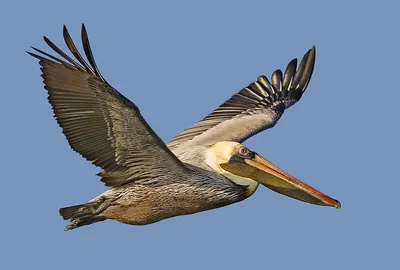
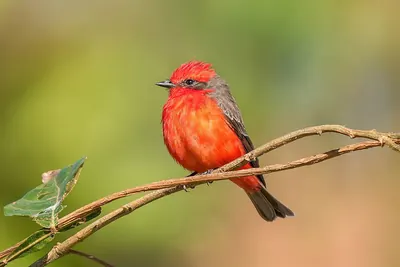
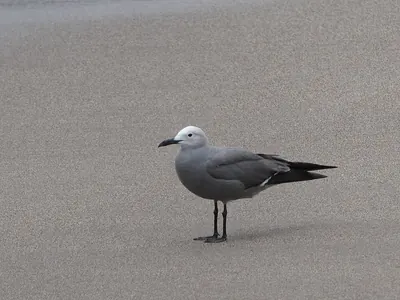
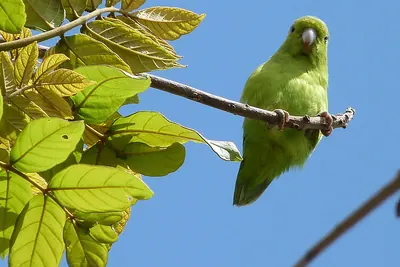
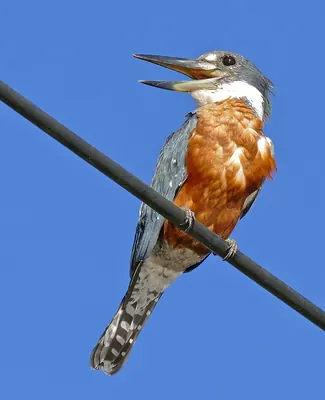
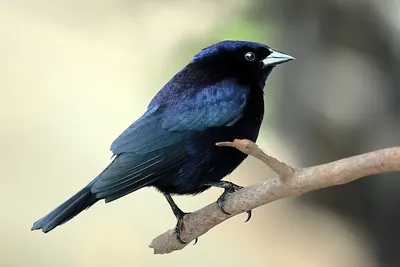
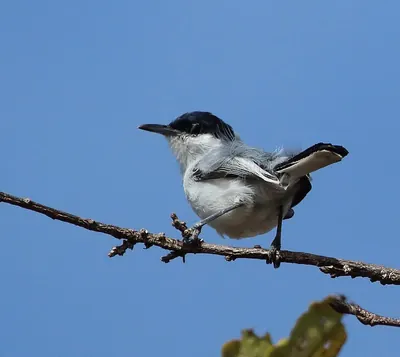
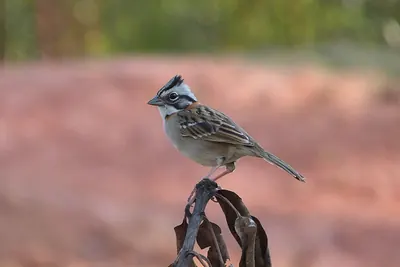
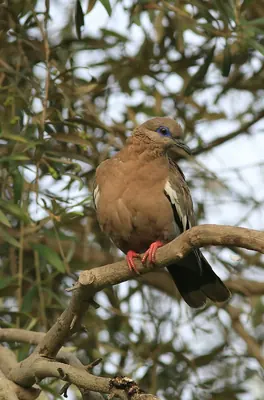
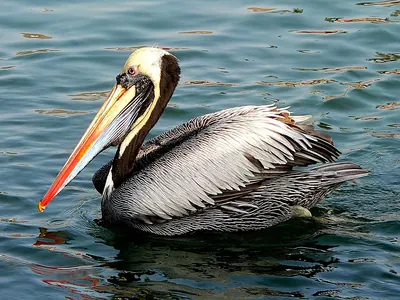 NT
NT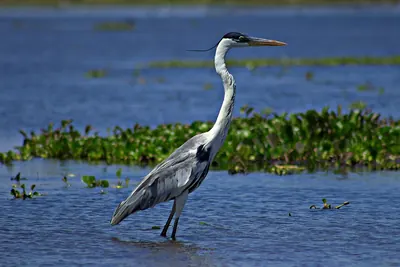 NT
NT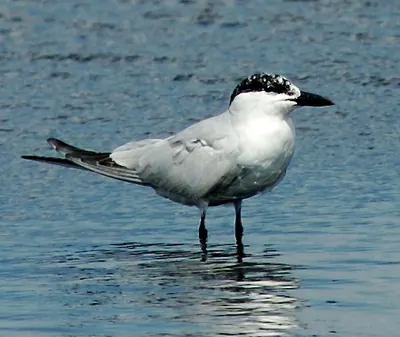
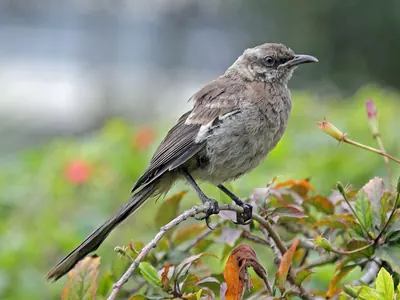 NTNT
NTNT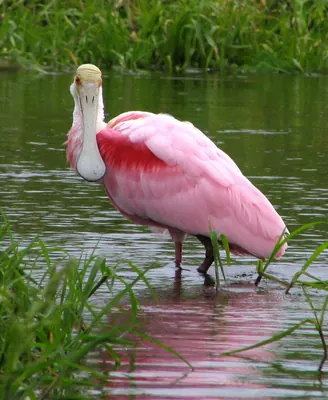
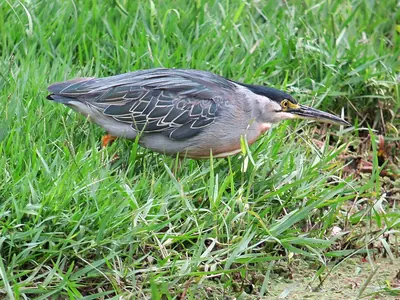
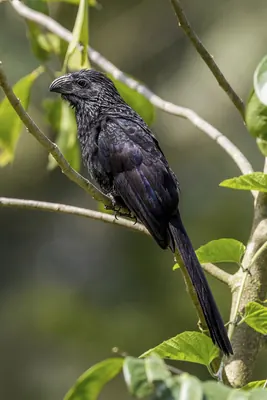
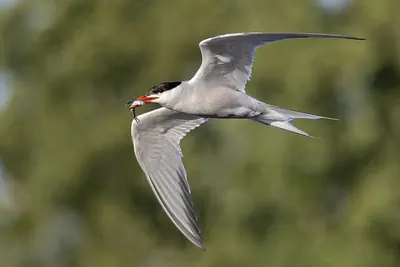
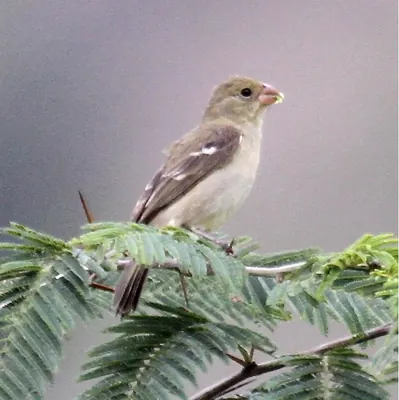 VU
VU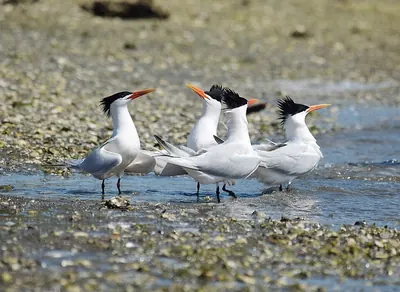 NTNTNT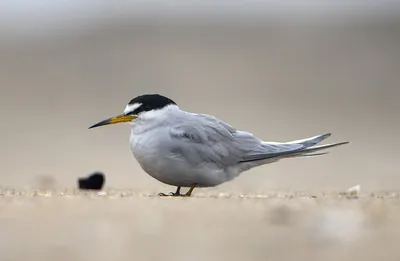
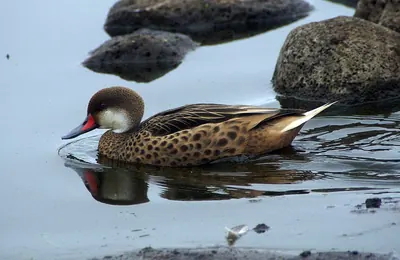 NTNTVUNTNTNT
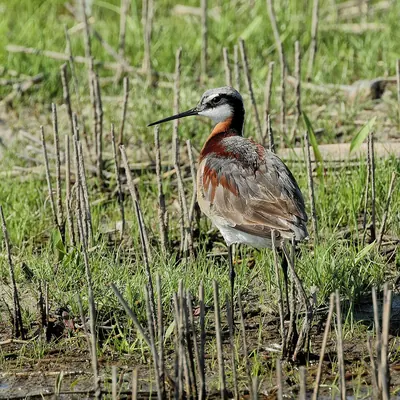 NTNTVUNTNTNTNTVUNTNTNTVUNTNTNTNT
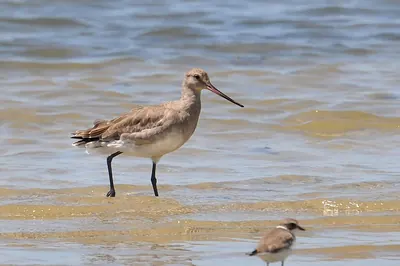 VUNTNTNTVUNTNTNT
- Resident all year
- Summer visitor comes to breed
- Winter visitor comes for the winter
- Passage migrant in spring and autumn
In numbers
142 species, counted.
Our own rating, from the records only: species (50 points), threatened species (20), migrants (20) and protected status — Ramsar, IBA, SPA, observatory (10).
- 142Speciesrecorded more than once
- 54Migrantssummer, winter or passage visitors
- 8ThreatenedVulnerable, Endangered or Critically Endangered (IUCN)
- 12,222Recordsopen records within 6 km
- 9Raptors
- 1Owls
- 30Waders
- 17Gulls & seabirds
- 3Ducks & geese
- 20Herons, ibises & grebes
- 2Storks & cranes
- 1Flamingos
- 43Songbirds
- 16Other birds
From open records (eBird and others, through GBIF, licensed for any use). More birdwatchers mean more records: a quiet place may have more birds than it shows.
The checklist
All 142 species.
By group, with the year in twelve cells: the darker the cell, the more often the bird is recorded that month.
Raptors9 species
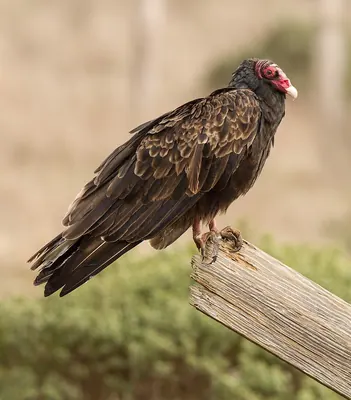
- Turkey VultureCathartes aura
- Black VultureCoragyps atratus
- Buteo polyosomaButeo polyosoma
- Crested CaracaraCaracara plancus
- OspreyPandion haliaetus
- Peregrine FalconFalco peregrinus
- Falco sparveriusFalco sparverius
- Savanna HawkButeogallus meridionalis
- Harris's HawkParabuteo unicinctus
Owls1 species
- Burrowing OwlAthene cunicularia
Waders30 species
- Eurasian WhimbrelNumenius phaeopus
- American OystercatcherHaematopus palliatus
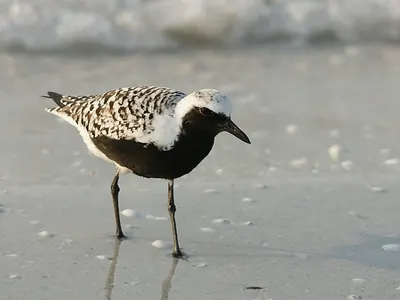
- Grey PloverPluvialis squatarolaVU
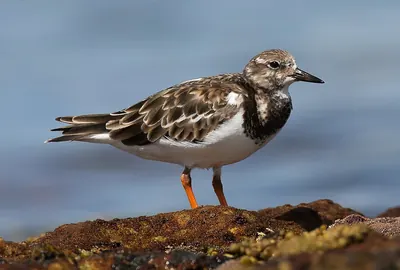
- Ruddy TurnstoneArenaria interpresNT
- Black-necked StiltHimantopus mexicanus
- SanderlingCalidris alba
- WilletTringa semipalmata
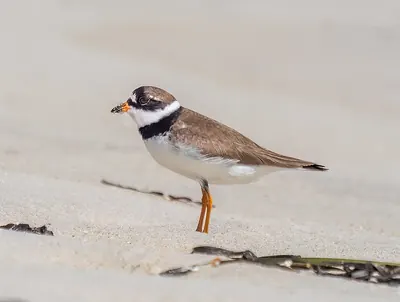
- Semipalmated PloverCharadrius semipalmatus
- Least SandpiperCalidris minutillaNT
- Spotted SandpiperActitis macularius
- Western SandpiperCalidris mauri
- Semipalmated SandpiperCalidris pusillaNT
- Greater YellowlegsTringa melanoleucaNT
- Lesser yellowlegsTringa flavipesVU
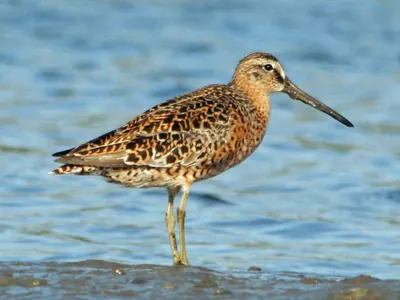
- Short-billed DowitcherLimnodromus griseusVU
- Hudsonian GodwitLimosa haemasticaVU
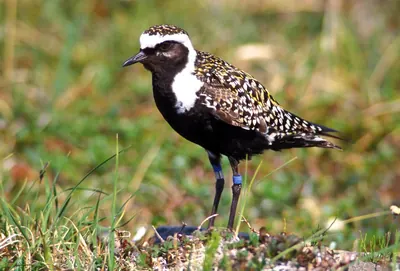
- American golden ploverPluvialis dominica
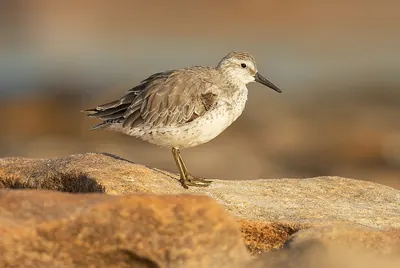
- Red KnotCalidris canutusNT
- Baird's SandpiperCalidris bairdii
- KilldeerCharadrius vociferusNT
- Stilt SandpiperCalidris himantopusNT
- Wilson's PhalaropePhalaropus tricolor
- Least SeedsnipeThinocorus rumicivorus
- Tawny-throated DotterelOreopholus ruficollis
- Solitary SandpiperTringa solitaria
- Pectoral SandpiperCalidris melanotos
- Marbled GodwitLimosa fedoaVU
- Blackish OystercatcherHaematopus ater
- Red-necked PhalaropePhalaropus lobatus
- White-rumped SandpiperCalidris fuscicollisVU
Gulls & seabirds17 species
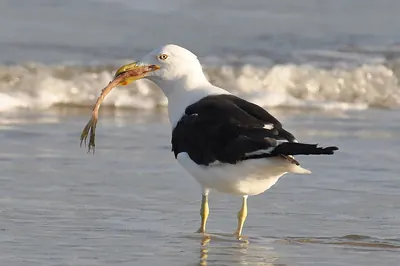
- Southern Black-backed GullLarus dominicanus
- Grey-headed GullChroicocephalus cirrocephalus
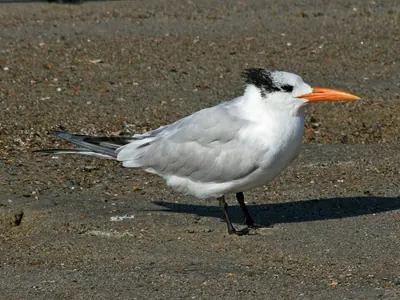
- Royal TernThalasseus maximus
- Magnificent FrigatebirdFregata magnificens
- Franklin's GullLeucophaeus pipixcan
- Peruvian TernSternula lorata
- Gull-billed TernGelochelidon nilotica
- Elegant TernThalasseus elegansNT
- Peruvian BoobySula variegata
- Blue-footed BoobySula nebouxii
- Sandwich TernThalasseus sandvicensis
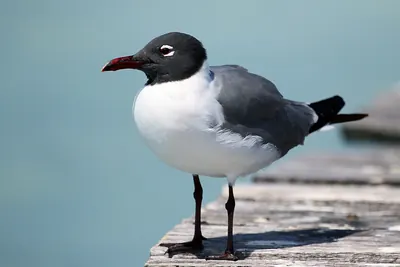
- Laughing GullLeucophaeus atricilla
- Black SkimmerRynchops niger
- Grey GullLeucophaeus modestus
- Common TernSterna hirundo
- Belcher's GullLarus belcheri
- Inca TernLarosterna incaNT
Ducks & geese3 species
- White-cheeked PintailAnas bahamensis
- Cinnamon TealSpatula cyanoptera
- Yellow-billed PintailAnas georgica
Herons, ibises & grebes20 species
- Phalacrocorax brasilianusPhalacrocorax brasilianus
- Snowy EgretEgretta thula
- Great White EgretArdea alba
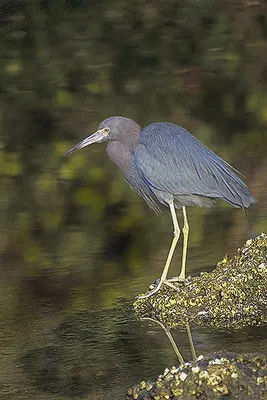
- Little Blue HeronEgretta caerulea
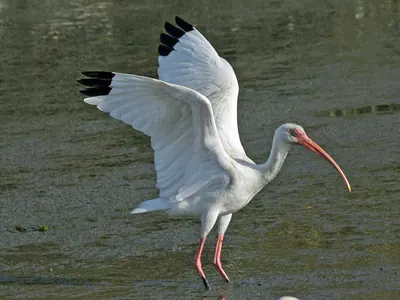
- White IbisEudocimus albus
- Peruvian PelicanPelecanus thagusNT
- Brown PelicanPelecanus occidentalis
- Cocoi HeronArdea cocoi
- Roseate SpoonbillPlatalea ajaja
- Yellow-crowned Night-HeronNyctanassa violacea
- Tricolored HeronEgretta tricolor
- Black-crowned Night-HeronNycticorax nycticorax
- Western Cattle EgretBubulcus ibis
- Striated HeronButorides striata
- Pied-billed GrebePodilymbus podiceps
- Great GrebePodiceps major
- Guanay CormorantLeucocarbo bougainvilliorumNT
- Black-faced IbisTheristicus melanopis
- Puna IbisPlegadis ridgwayi
- Least GrebeTachybaptus dominicus
Storks & cranes2 species
- Wood StorkMycteria americana
- JabiruJabiru mycteria
Flamingos1 species
- Chilean flamingoPhoenicopterus chilensisNT
Songbirds43 species
- Mangrove WarblerSetophaga petechia
- Rufous-collared SparrowZonotrichia capensis
- Coastal MinerGeositta peruviana
- Blue-and-white SwallowNotiochelidon cyanoleuca
- Barn swallowHirundo rustica
- Necklaced SpinetailSynallaxis stictothorax
- Scarlet FlycatcherPyrocephalus rubinus
- Tropical KingbirdTyrannus melancholicus
- Tumbes SwallowTachycineta stolzmanni
- Superciliated WrenCantorchilus superciliaris
- Piezorina cinereaPiezorina cinerea
- Tropical GnatcatcherPolioptila plumbea
- Wren-like RushbirdPhleocryptes melanops
- Sand MartinRiparia riparia
- Cinereous ConebillConirostrum cinereum
- Long-tailed MockingbirdMimus longicaudatus
- Furnarius leucopusFurnarius leucopus
- Dives warczewicziDives warczewiczi
- Southern Rough-winged SwallowStelgidopteryx ruficollis
- Peruvian MeadowlarkSturnella bellicosa
- Southern House WrenTroglodytes musculus
- Gray-breasted MartinProgne chalybea
- White-edged OrioleIcterus graceannae
- Short-tailed Field-tyrantMuscigralla brevicauda
- Common Tody-flycatcherTodirostrum cinereum
- Chestnut-throated SeedeaterSporophila telasco
- Drab SeedeaterSporophila simplex
- Rufous FlycatcherMyiarchus semirufusVU
- Shiny CowbirdMolothrus bonariensis
- Fasciated WrenCampylorhynchus fasciatus
- Southern Beardless-tyrannuletCamptostoma obsoletum
- Saffron FinchSicalis flaveola
- Chestnut-collared SwallowPetrochelidon rufocollaris
- Parrot-billed SeedeaterSporophila peruviana
- Sulphur-throated FinchSicalis taczanowskii
- Streaked saltatorSaltator striatipectus
- Collared AntshrikeThamnophilus bernardi
- Peruvian PlantcutterPhytotoma raimondiiVU
- Collared Warbling-finchPoospiza hispaniolensis
- Ash-breasted Sierra FinchGeospizopsis plebejus
- Gray-and-white TyrannuletPseudelaenia leucospodia
- Blue-gray TanagerThraupis episcopus
- BananaquitCoereba flaveola
Other birds16 species
- West Peruvian DoveZenaida meloda
- Eared DoveZenaida auriculata
- Lesser NighthawkChordeiles acutipennis
- Slate-colored CootFulica ardesiaca
- Groove-billed AniCrotophaga sulcirostris
- Pacific ParrotletForpus coelestis
- Ringed KingfisherMegaceryle torquata
- Croaking Ground-DoveColumbina cruziana
- Green KingfisherChloroceryle americana
- Common MoorhenGallinula chloropus
- Amazilia HummingbirdAmazilis amazilia
- Scarlet-backed WoodpeckerVeniliornis callonotus
- Golden-olive WoodpeckerColaptes rubiginosus
- Rock DoveColumba livia
- Oasis HummingbirdRhodopis vesper
- Striped CuckooTapera naevia
Monthly presence relative to all bird records that month, so a busy month does not inflate every species.
When to go
The most species in March, in May and in October.
Species recorded in each month, with the usual temperature and rain.
- Jan33°/21°8 mm
- Feb34°/23°27 mm
- Mar34°/23°48 mm
- Apr34°/21°8 mm
- May32°/19°2 mm
- Jun30°/17°1 mm
- Jul30°/16°1 mm
- Aug30°/16°1 mm
- Sep30°/16°1 mm
- Oct30°/16°3 mm
- Nov31°/17°3 mm
- Dec32°/19°5 mm
- Bar: species recorded that month.
- Temperature: average maximum / minimum (NASA, 1991–2020).
- Rain: monthly total.
The place
Piura mangroves.
Ecoregion (WWF)
Piura mangroves is a wetland of international importance (Ramsar) in Peru.
142 bird species have been recorded here more than once, in 12,222 open records.
The most recorded are the Eurasian Whimbrel, the Southern Black-backed Gull and the American Oystercatcher.
22 species come for the summer, 29 for the winter and 3 only pass through.
8 are threatened worldwide, including Grey Plover, Lesser yellowlegs and Short-billed Dowitcher.
The most species are recorded in March, in May and in October.
Get there and watch
- Hospedaje Claritzaplace to stay · 6.8 km · 4 within 10 km
- Sechuranearest town · 7.0 km in a straight line
- PAF Captain Guillermo Concha Iberico International Airport (PIU)nearest airport with scheduled flights · 48 km in a straight lineCar hire in PiuraDiscover Cars · sponsored link↗
Plan the visit
A guided walk, a bed nearby, a car.
Some links above are affiliate links: if you book through them we may earn a commission, at no extra cost to you. It never changes what the data on this page says.
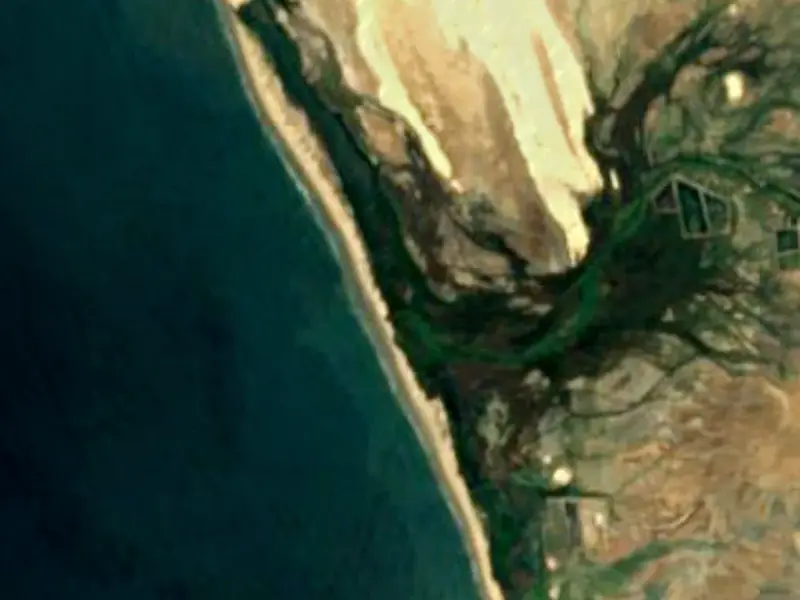
From above
The place and its surroundings.
The satellite image of the 6 × 6 km around the place, with the bird hides, towers and trails that OpenStreetMap shows.
Around, in OpenStreetMap
- 4places to stay within 10 kmHospedaje Claritza, Maximus Inn, Hospedaje Costa Bella and 1 more
- bird hides within 6 km
- observation towers within 6 km
- marked trails within 4 km
- visitor centres within 6 km
- viewpoints within 5 km
- car parks within 3 km
- restaurants and cafés within 3 km
- campsites within 10 km
Counted in OpenStreetMap, the map anyone can edit. A low number may just mean nobody has mapped it yet.
In our other atlases
Around Piura mangroves.
The lakes, beaches, islands, rivers and mountains around this place, and its night sky, in the family's atlases.
 Peakyas5 mountains within 25 km
 Coastya1 beaches within 10 km
Figures from the sister sites' databases (Wikidata, HydroATLAS, GeoNames, OpenStreetMap). Links open when each site is online.
Other places nearby.
Piura mangroves
Peru
- 70Birdyas Score
- 142Species
- 54Migrants
- 8Threatened
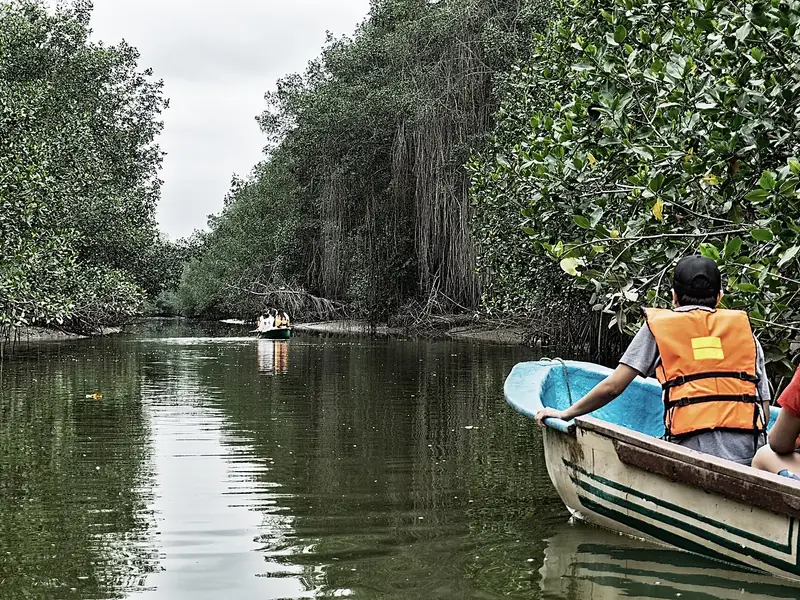
Tumbes Mangals National Sanctuary
Peru · 245 km
- 61Birdyas Score
- 180Species
- 49Migrants
- 3Threatened
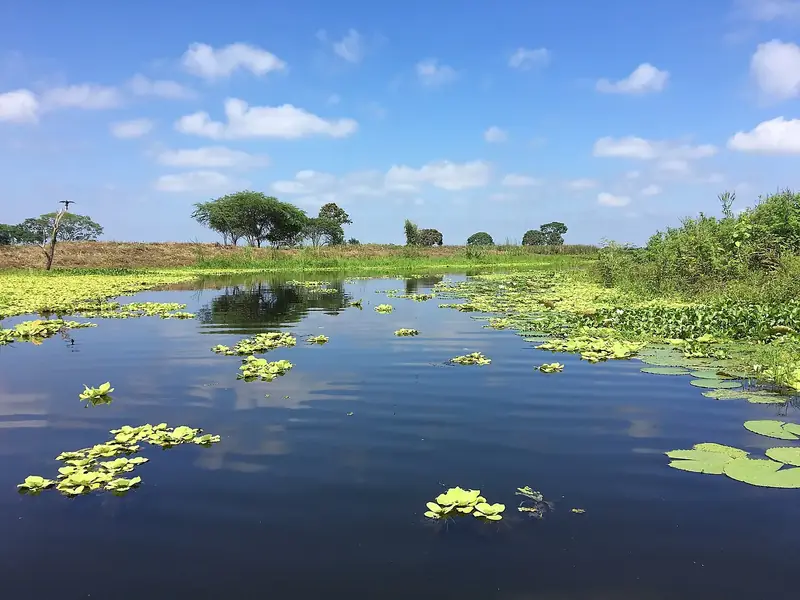
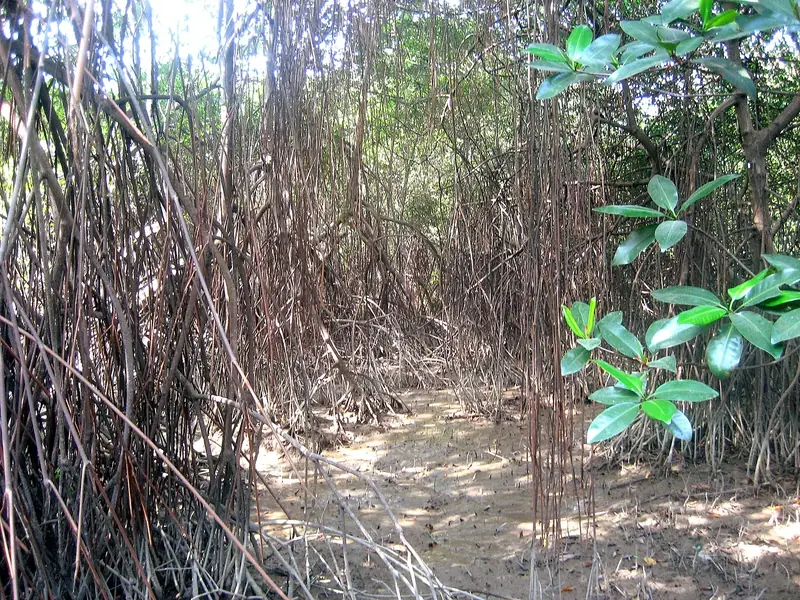
Gulf of Guayaquil-Tumbes mangroves
Ecuador · 353 km
- 66Birdyas Score
- 206Species
- 63Migrants
- 4Threatened
Where these figures come from
| Name and type | Wikidata (Q5991420) · CC0 |
|---|---|
| Birds | 12,222 open bird records within 6 km (GBIF, CC0 and CC BY 4.0 only; mostly eBird, Cornell Lab of Ornithology) |
| See these records | gbif.org |
| Species | GBIF Backbone Taxonomy · CC BY 4.0; Wikidata (CC0); Wikimedia Commons |
| Altitude | Copernicus DEM GLO-30 · © DLR e.V., © Airbus Defence and Space GmbH, Copernicus/ESA |
| Temperature and rain | NASA POWER (CERES SYN1deg, 2001–2020; MERRA-2) |
| What is around | © OpenStreetMap contributors · ODbL |
| Images | EOX Sentinel-2 cloudless 2016 · CC BY 4.0; Wikimedia Commons |
| Sister atlases | Peakyas, Coastya |
Every figure is an average, an estimate or a count from a public dataset. Licences and methods: data sources.
The family
Do you prefer beaches, lakes, mountains, waterfalls, islands, rivers, canyons, caves, dark skies, viewpoints, birdwatching or forests?
Same idea, other landscapes: field atlases built on open data, in seven languages.
beaches Find your beach: sea temperature, sun and swimming month by month.Visit
  lakes
lakes Every lake on Earth: water temperature, ice, depth and the shore.Visit mountains
 Every summit in 3D: summit weather, the 0 °C line, huts and trails.Visit
  waterfalls
 Every waterfall: height, flow month by month and when it roars.Visit
  islands
 Every island from the sea up: size, sea temperature, ferries and 3D.Visit
  rivers
 Every river from source to sea: the journey, the flow and the basin in numbers.Visit
  canyons
 Every canyon cut to scale: depth to the floor, rim and floor temperatures, trails and viewpoints.Visit
  caves
caves Every cave with its real depth and length: the rock above, the temperature inside all year, and how to visit.Visit
  dark skies
 Where the night is still dark: the sky of every place, the Milky Way month by month, the Moon, eclipses and auroras.Visit
  viewpoints
 Every viewpoint with its real 360° panorama: the peaks you can name, how far you see and where the sun sets.Coming soonVisit
  birdwatching
 Every bird sanctuary and wetland with the species recorded month by month: who is resident, who comes for the summer, who only passes through.You are here
 forests
 Every forest with its land-cover rings, what grows and lives in it, and the best months to walk it.Coming soonVisit