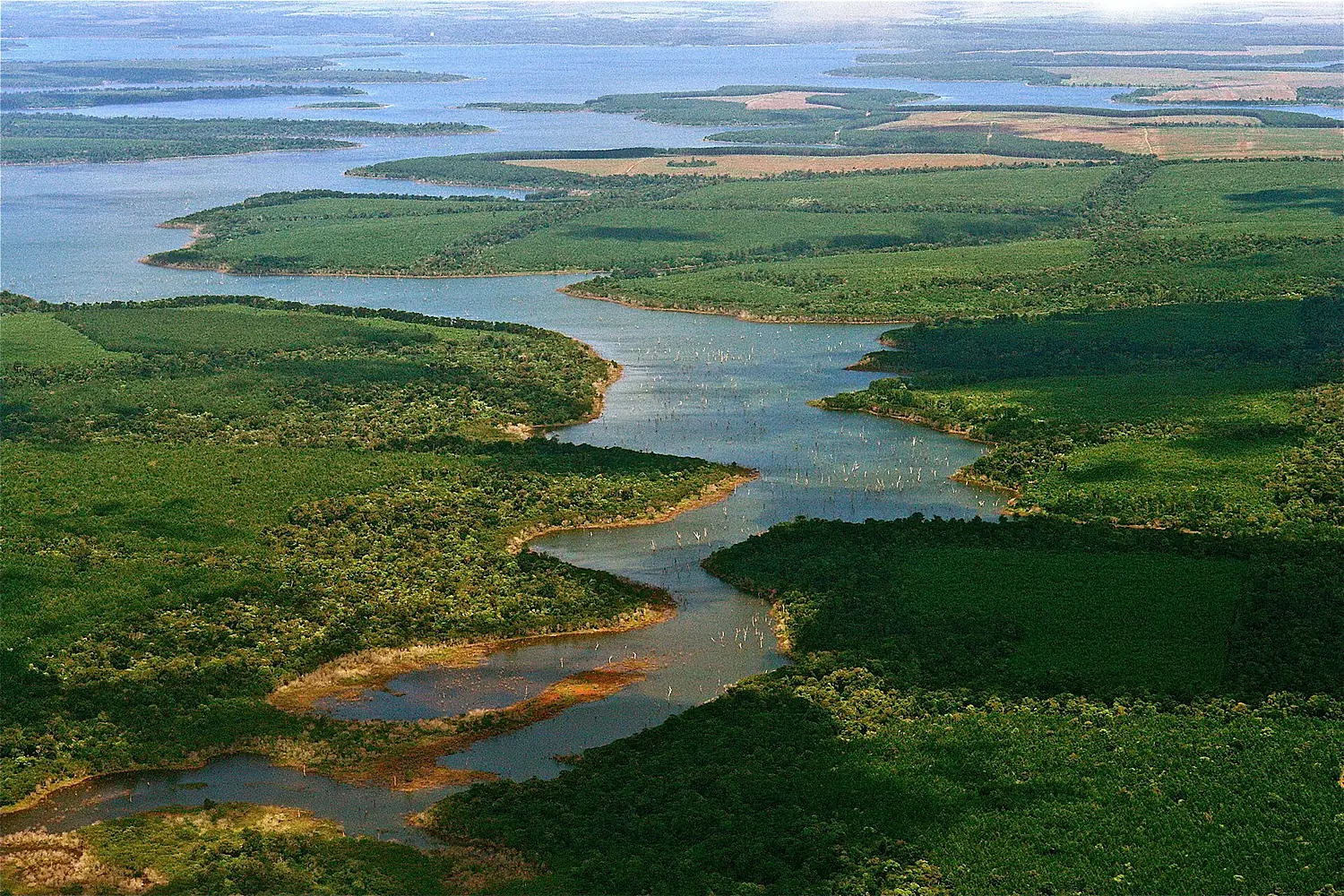
 Argentina Ramsar wetland
Iberá Provincial Reserve
129 bird species recorded; the most in August.
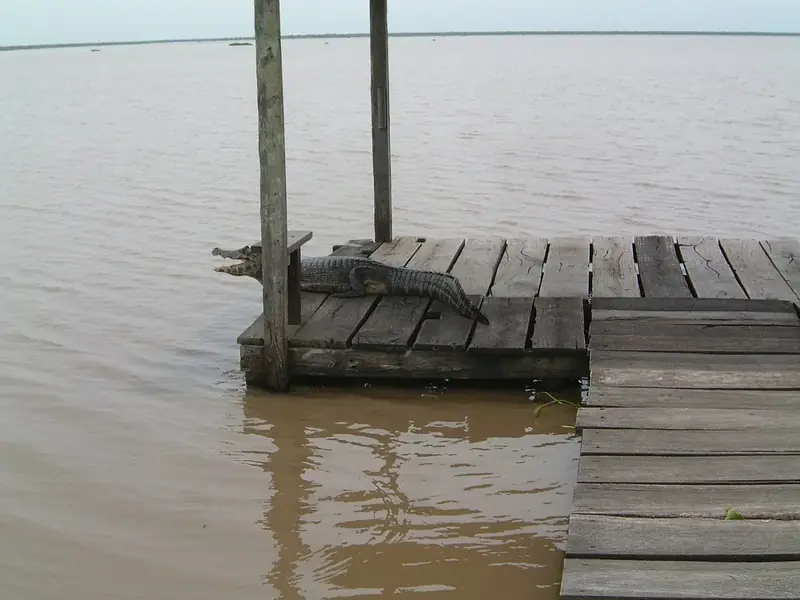
Evelyn Proimos · CC BY 2.0
This month here
0 species in January.0 species in February.20 species in March.0 species in April.51 species in May.1 species in June.0 species in July.93 species in August.0 species in September.0 species in October.19 species in November.55 species in December.
The birds you are most likely to see in the month you choose, those that come for the season first. It opens on today's month.
No records for this month.
No records for this month.
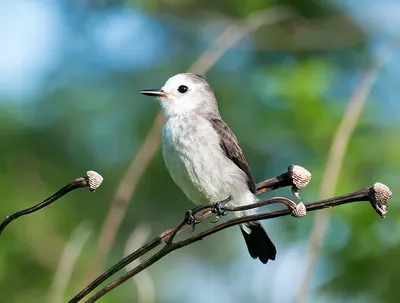
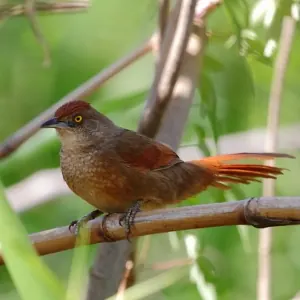
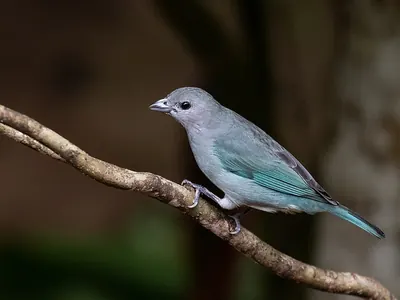
No records for this month.
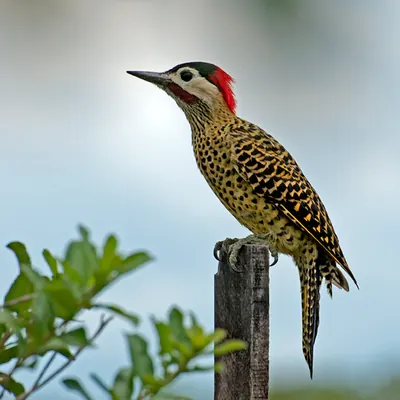
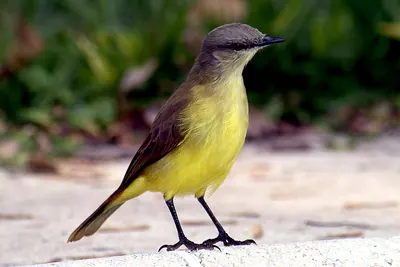
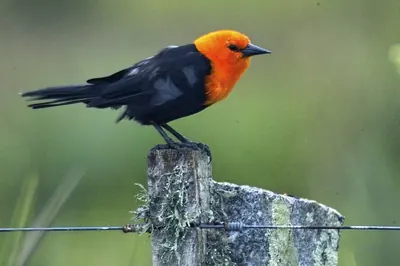
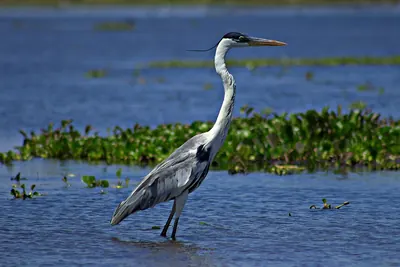
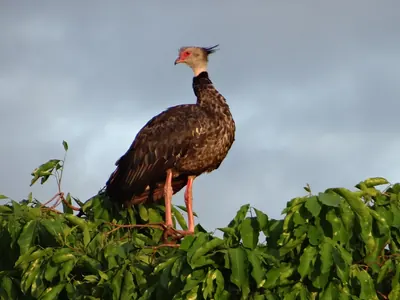
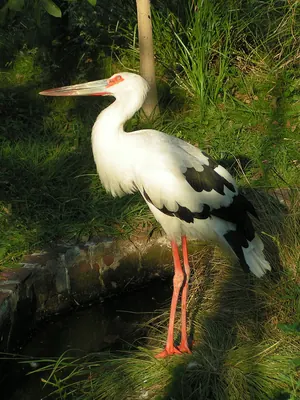
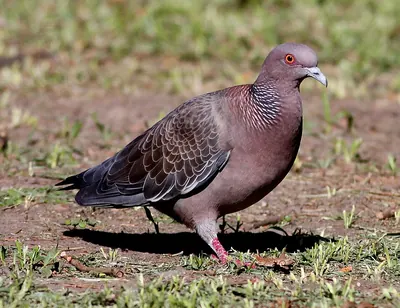
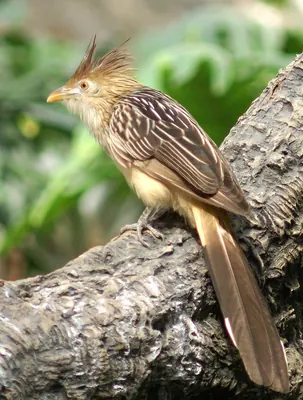
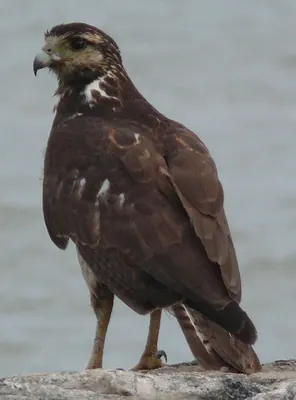
No records for this month.
No records for this month.
No records for this month.
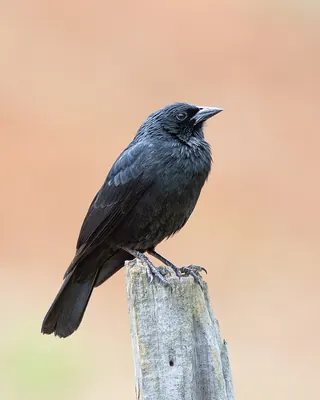
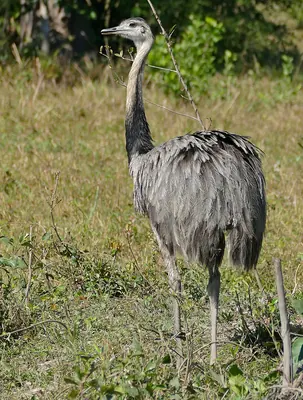 NTNT
NTNT- Resident all year
- Summer visitor comes to breed
- Winter visitor comes for the winter
- Passage migrant in spring and autumn
In numbers
129 species, counted.
Our own rating, from the records only: species (50 points), threatened species (20), migrants (20) and protected status — Ramsar, IBA, SPA, observatory (10).
- 129Speciesrecorded more than once
- 15Migrantssummer, winter or passage visitors
- 0ThreatenedVulnerable, Endangered or Critically Endangered (IUCN)
- 1,037Recordsopen records within 15 km
- 55 mAltitudeabove the sea
- 9Raptors
- 1Owls
- 4Waders
- 2Gulls & seabirds
- 6Ducks & geese
- 13Herons, ibises & grebes
- 2Storks & cranes
- 60Songbirds
- 32Other birds
From open records (eBird and others, through GBIF, licensed for any use). More birdwatchers mean more records: a quiet place may have more birds than it shows.
The checklist
All 129 species.
By group, with the year in twelve cells: the darker the cell, the more often the bird is recorded that month.
Raptors9 species
- Long-winged HarrierCircus buffoni
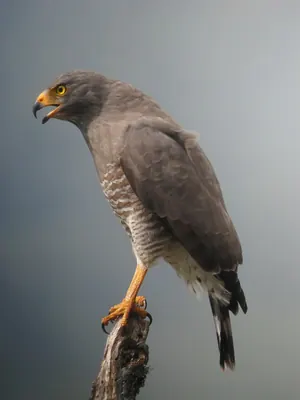
- Roadside HawkRupornis magnirostris
- Snail KiteRostrhamus sociabilis
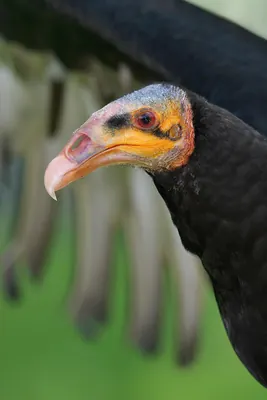
- Lesser Yellow-headed VultureCathartes burrovianus
- Turkey VultureCathartes aura
- Black VultureCoragyps atratus
- Crested CaracaraCaracara plancus
- Black-collared HawkBusarellus nigricollis
- Savanna HawkButeogallus meridionalis
Owls1 species
- Tropical Screech-OwlMegascops choliba
Waders4 species
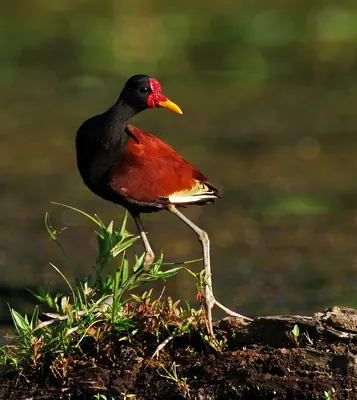
- Wattled JacanaJacana jacana
- South American SnipeGallinago paraguaiae
- Black-necked StiltHimantopus mexicanus
- Southern LapwingVanellus chilensis
Gulls & seabirds2 species
- Large-billed TernPhaetusa simplex
- Yellow-billed TernSternula superciliaris
Ducks & geese6 species
- Southern ScreamerChauna torquata
- Brazilian TealAmazonetta brasiliensis
- Silver TealSpatula versicolor
- Cairina moschataCairina moschata
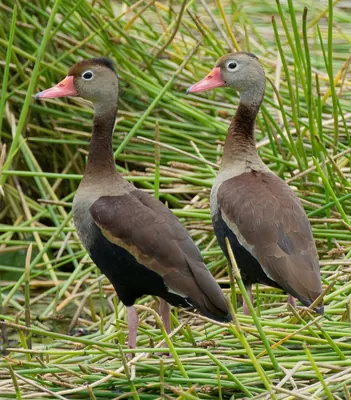
- Black-bellied Whistling DuckDendrocygna autumnalis
- White-faced Whistling-duckDendrocygna viduata
Herons, ibises & grebes13 species
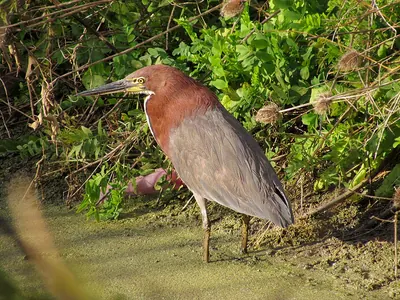
- Rufescent Tiger HeronTigrisoma lineatum
- Cocoi HeronArdea cocoi
- Phalacrocorax brasilianusPhalacrocorax brasilianus
- Roseate SpoonbillPlatalea ajaja
- Snowy EgretEgretta thula
- Whispering IbisPhimosus infuscatus
- Plegadis chihiPlegadis chihi
- Black-crowned Night-HeronNycticorax nycticorax
- Whistling HeronSyrigma sibilatrix
- Great GrebePodiceps major
- Pied-billed GrebePodilymbus podiceps
- AnhingaAnhinga anhinga
- Great White EgretArdea alba
Storks & cranes2 species
- Maguari StorkCiconia maguari
- JabiruJabiru mycteria
Songbirds60 species
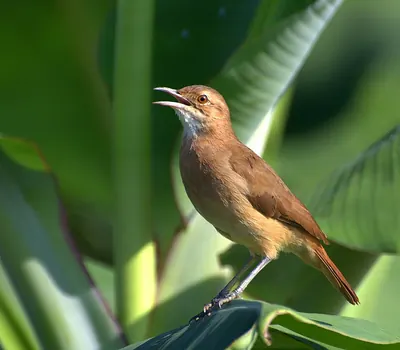
- Rufous HorneroFurnarius rufus
- Green-winged SaltatorSaltator similis
- Yellow-billed CardinalParoaria capitata
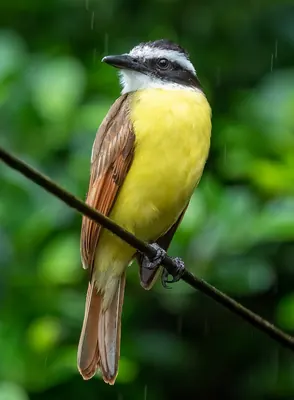
- Great KiskadeePitangus sulphuratus
- Cattle TyrantMachetornis rixosa
- Scarlet-headed BlackbirdAmblyramphus holosericeus
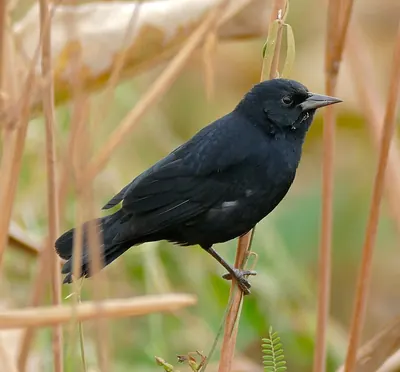
- Unicoloured BlackbirdAgelasticus cyanopus
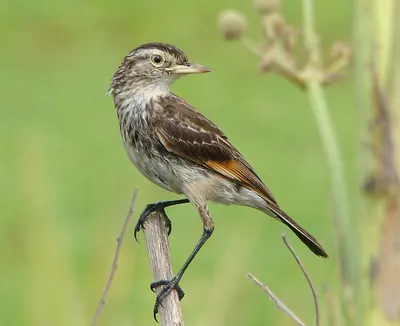
- Spectacled TyrantHymenops perspicillatus
- Yellow-chinned SpinetailCerthiaxis cinnamomeus
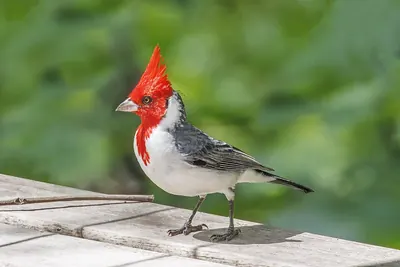
- Red-crested CardinalParoaria coronata
- White-headed Marsh TyrantArundinicola leucocephala
- Greater ThornbirdPhacellodomus ruber
- Creamy-bellied ThrushTurdus amaurochalinus
- Masked GnatcatcherPolioptila dumicola
- Rufous-bellied ThrushTurdus rufiventris
- Saffron FinchSicalis flaveola
- Tropical ParulaSetophaga pitiayumi
- Saltator coerulescensSaltator coerulescens
- Yellow-winged BlackbirdAgelasticus thilius
- Shiny CowbirdMolothrus bonariensis
- Great Pampa-finchEmbernagra platensis
- Black-capped DonacobiusDonacobius atricapilla
- Variable AntshrikeThamnophilus caerulescens
- Crested DoraditoPseudocolopteryx sclateri
- Blue-billed Black-TyrantKnipolegus cyanirostris
- Sooty TyrannuletSerpophaga nigricans
- Sooty-fronted SpinetailSynallaxis frontalis
- Firewood-gathererAnumbius annumbi
- Hellmayr's PipitAnthus hellmayri
- Wedge-tailed Grass-finchEmberizoides herbicola
- Sayaca TanagerThraupis sayaca
- Chopi BlackbirdGnorimopsar chopi
- White-rumped SwallowTachycineta leucorrhoa
- Anthus chiiAnthus chii
- Grey MonjitaXolmis cinereus
- Streaked FlycatcherMyiodynastes maculatus
- Chestnut-capped BlackbirdChrysomus ruficapillus
- Yellow-rumped MarshbirdPseudoleistes guirahuro
- Greyish BaywingAgelaioides badius
- Brown-chested MartinProgne tapera
- Golden-winged CaciqueCacicus chrysopterus
- Southern House WrenTroglodytes musculus
- Barn swallowHirundo rustica
- Plush-crested JayCyanocorax chrysops
- Black-and-white MonjitaHeteroxolmis dominicana
- Lark-like BrushrunnerCoryphistera alaudina
- Narrow-billed WoodcreeperLepidocolaptes angustirostris
- White-lined TanagerTachyphonus rufus
- Gray-breasted MartinProgne chalybea
- Sand MartinRiparia riparia
- American Cliff SwallowPetrochelidon pyrrhonota
- Rusty-collared SeedeaterSporophila collaris
- Red Pileated FinchCoryphospingus cucullatus
- Olivaceous ElaeniaElaenia mesoleuca
- Fork-tailed FlycatcherTyrannus savana
- Solitary CaciqueCacicus solitarius
- Epaulet OrioleIcterus cayanensis
- Golden-billed SaltatorSaltator aurantiirostris
- Rufous-collared SparrowZonotrichia capensis
- Black-capped Warbling FinchMicrospingus melanoleucus
Other birds32 species
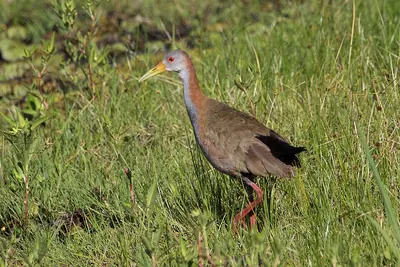
- Giant Wood-RailAramides ypecaha
- Ringed KingfisherMegaceryle torquata
- Green-barred WoodpeckerColaptes melanochloros
- Aramides cajaneaAramides cajanea
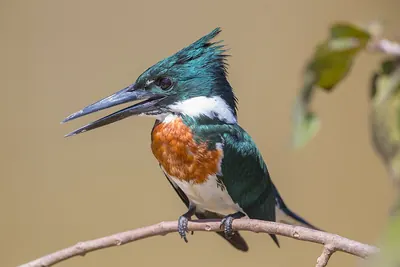
- Amazon KingfisherChloroceryle amazona
- Picazuro PigeonPatagioenas picazuro
- Guira CuckooGuira guira
- Field FlickerColaptes campestris
- Rufous-sided CrakeLaterallus melanophaius
- Ash-throated CrakePorzana albicollis
- Little WoodpeckerVeniliornis passerinus
- LimpkinAramus guarauna
- White-winged CootFulica leucoptera
- Green KingfisherChloroceryle americana
- Cream-backed WoodpeckerCampephilus leucopogon
- Eared DoveZenaida auriculata
- Common Squirrel-cuckooPiaya cayana
- Purple GallinulePorphyrio martinica
- Common MoorhenGallinula chloropus
- Spot-flanked GallinuleGallinula melanops
- White-tipped DoveLeptotila verreauxi
- Monk ParakeetMyiopsitta monachus
- Greater RheaRhea americanaNT
- Smooth-billed AniCrotophaga ani
- PauraqueNyctidromus albicollis
- Aratinga acuticaudataAratinga acuticaudata
- Blue-fronted AmazonAmazona aestivaNT
- Spot-winged PigeonPatagioenas maculosa
- Common PotooNyctibius griseus
- Striped CuckooTapera naevia
- Nacunda NighthawkChordeiles nacunda
- Little NightjarSetopagis parvula
Monthly presence relative to all bird records that month, so a busy month does not inflate every species.
When to go
The most species in August.
Species recorded in each month, with the usual temperature and rain.
- Jan33°/21°142 mm
- Feb33°/21°124 mm
- Mar31°/18°139 mm
- Apr27°/15°163 mm
- May22°/11°118 mm
- Jun20°/9°84 mm
- Jul19°/8°63 mm
- Aug22°/9°66 mm
- Sep24°/12°99 mm
- Oct28°/15°188 mm
- Nov30°/17°155 mm
- Dec32°/20°170 mm
- Bar: species recorded that month.
- Temperature: average maximum / minimum (NASA, 1991–2020).
- Rain: monthly total.
The place
Iberá Provincial Reserve.
Nature reserve in Argentina
Iberá Provincial Reserve is a wetland of international importance (Ramsar) in Argentina.
129 bird species have been recorded here more than once, in 1,037 open records.
The most recorded are the Giant Wood-Rail, the Rufous Hornero and the Ringed Kingfisher.
8 species come for the summer, 7 for the winter and 0 only pass through.
The most species are recorded in August.
Get there and watch
- Concepciónnearest town · 24 km in a straight line
- Rubem Berta Airport (URG)nearest airport with scheduled flights · 151 km in a straight lineCar hire in CorrientesDiscover Cars · sponsored link↗
Plan the visit
A guided walk, a bed nearby, a car.
Some links above are affiliate links: if you book through them we may earn a commission, at no extra cost to you. It never changes what the data on this page says.
From above
The place and its surroundings.
The satellite image of the 6 × 6 km around the place, with the bird hides, towers and trails that OpenStreetMap shows.
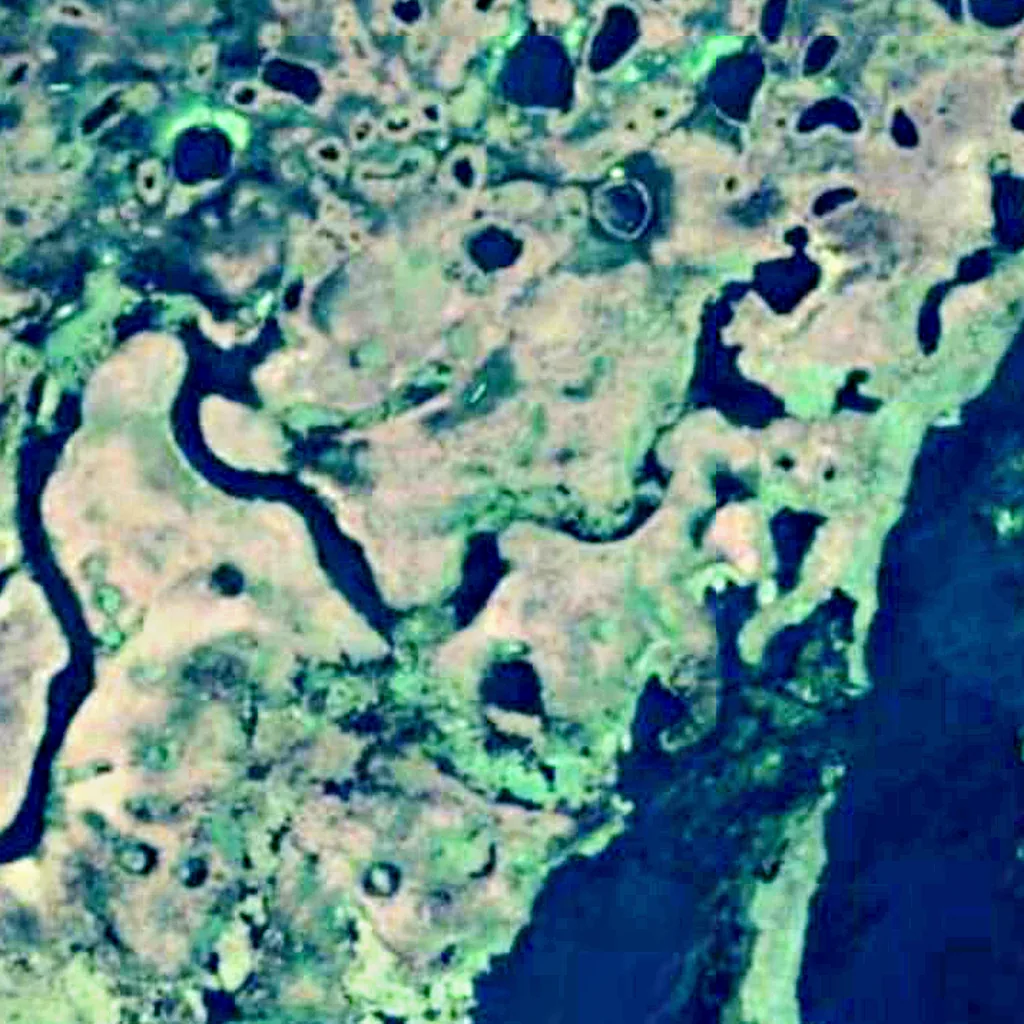
Around, in OpenStreetMap
- bird hides within 6 km
- observation towers within 6 km
- marked trails within 4 km
- visitor centres within 6 km
- viewpoints within 5 km
- car parks within 3 km
- restaurants and cafés within 3 km
- campsites within 10 km
- places to stay within 10 km
Counted in OpenStreetMap, the map anyone can edit. A low number may just mean nobody has mapped it yet.
In our other atlases
Around Iberá Provincial Reserve.
The lakes, beaches, islands, rivers and mountains around this place, and its night sky, in the family's atlases.
 Lakeyas1 lakes within 15 km
Figures from the sister sites' databases (Wikidata, HydroATLAS, GeoNames, OpenStreetMap). Links open when each site is online.
Photographs
The place, as people saw it.
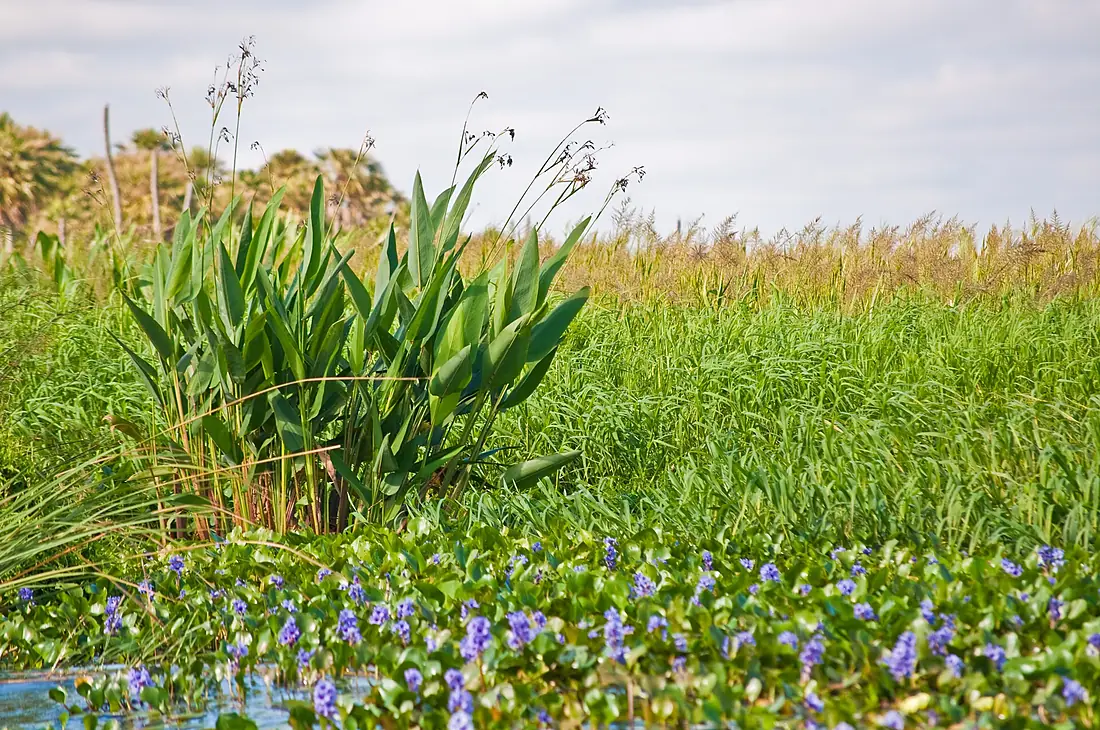
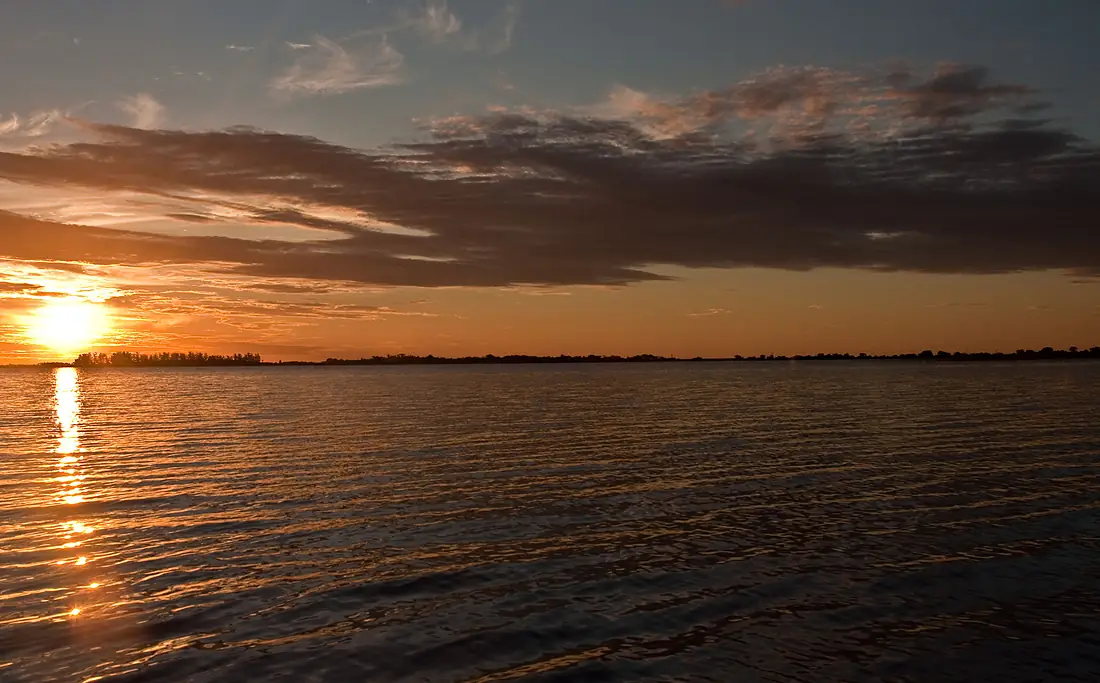
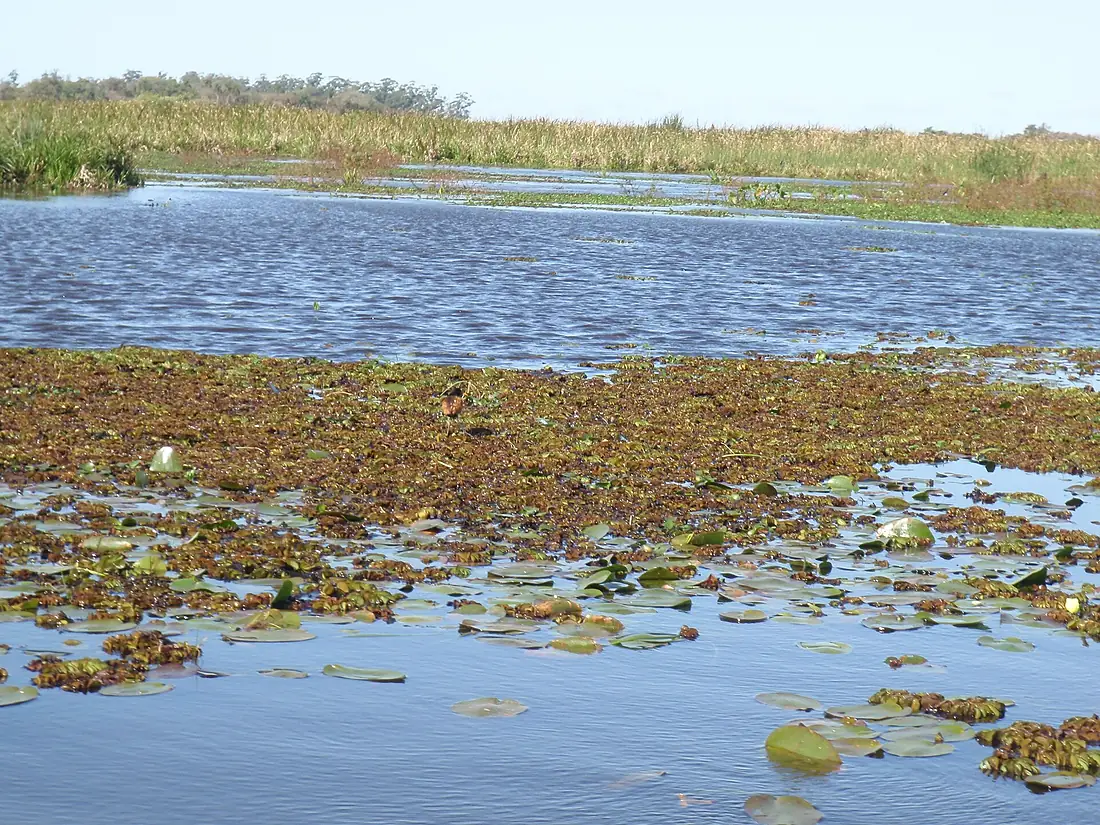
Other places nearby.
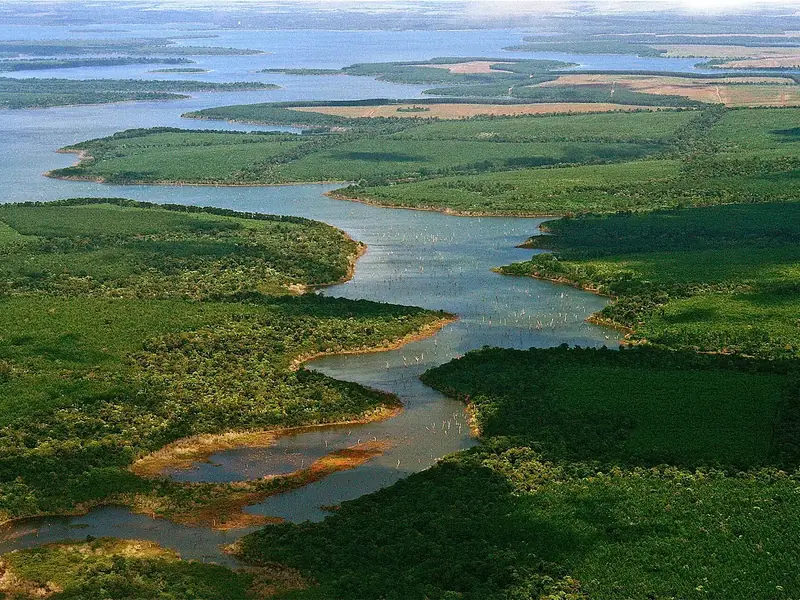
Iberá Provincial Reserve
Argentina
- 45Birdyas Score
- 129Species
- 15Migrants
- 0Threatened
Río Pilcomayo National Park
Argentina · 395 km
- 69Birdyas Score
- 259Species
- 96Migrants
- 1Threatened
Where these figures come from
| Name and type | Wikidata (Q16892622) · CC0 |
|---|---|
| Birds | 1,037 open bird records within 15 km (GBIF, CC0 and CC BY 4.0 only; mostly eBird, Cornell Lab of Ornithology) |
| See these records | gbif.org |
| Species | GBIF Backbone Taxonomy · CC BY 4.0; Wikidata (CC0); Wikimedia Commons |
| Altitude | Copernicus DEM GLO-30 · © DLR e.V., © Airbus Defence and Space GmbH, Copernicus/ESA |
| Temperature and rain | NASA POWER (CERES SYN1deg, 2001–2020; MERRA-2) |
| What is around | © OpenStreetMap contributors · ODbL |
| Images | EOX Sentinel-2 cloudless 2016 · CC BY 4.0; Wikimedia Commons |
| Sister atlases | Lakeyas |
Every figure is an average, an estimate or a count from a public dataset. Licences and methods: data sources.
The family
Do you prefer beaches, lakes, mountains, waterfalls, islands, rivers, canyons, caves, dark skies, viewpoints, birdwatching or forests?
Same idea, other landscapes: field atlases built on open data, in seven languages.
 beaches
 Find your beach: sea temperature, sun and swimming month by month.Visit lakes
 Every lake on Earth: water temperature, ice, depth and the shore.Visit
  mountains
 Every summit in 3D: summit weather, the 0 °C line, huts and trails.Visit
  waterfalls
 Every waterfall: height, flow month by month and when it roars.Visit
  islands
 Every island from the sea up: size, sea temperature, ferries and 3D.Visit
  rivers
 Every river from source to sea: the journey, the flow and the basin in numbers.Visit
  canyons
 Every canyon cut to scale: depth to the floor, rim and floor temperatures, trails and viewpoints.Visit
  caves
caves Every cave with its real depth and length: the rock above, the temperature inside all year, and how to visit.Visit
  dark skies
 Where the night is still dark: the sky of every place, the Milky Way month by month, the Moon, eclipses and auroras.Visit
  viewpoints
 Every viewpoint with its real 360° panorama: the peaks you can name, how far you see and where the sun sets.Coming soonVisit
  birdwatching
 Every bird sanctuary and wetland with the species recorded month by month: who is resident, who comes for the summer, who only passes through.You are here
 forests
 Every forest with its land-cover rings, what grows and lives in it, and the best months to walk it.Coming soonVisit