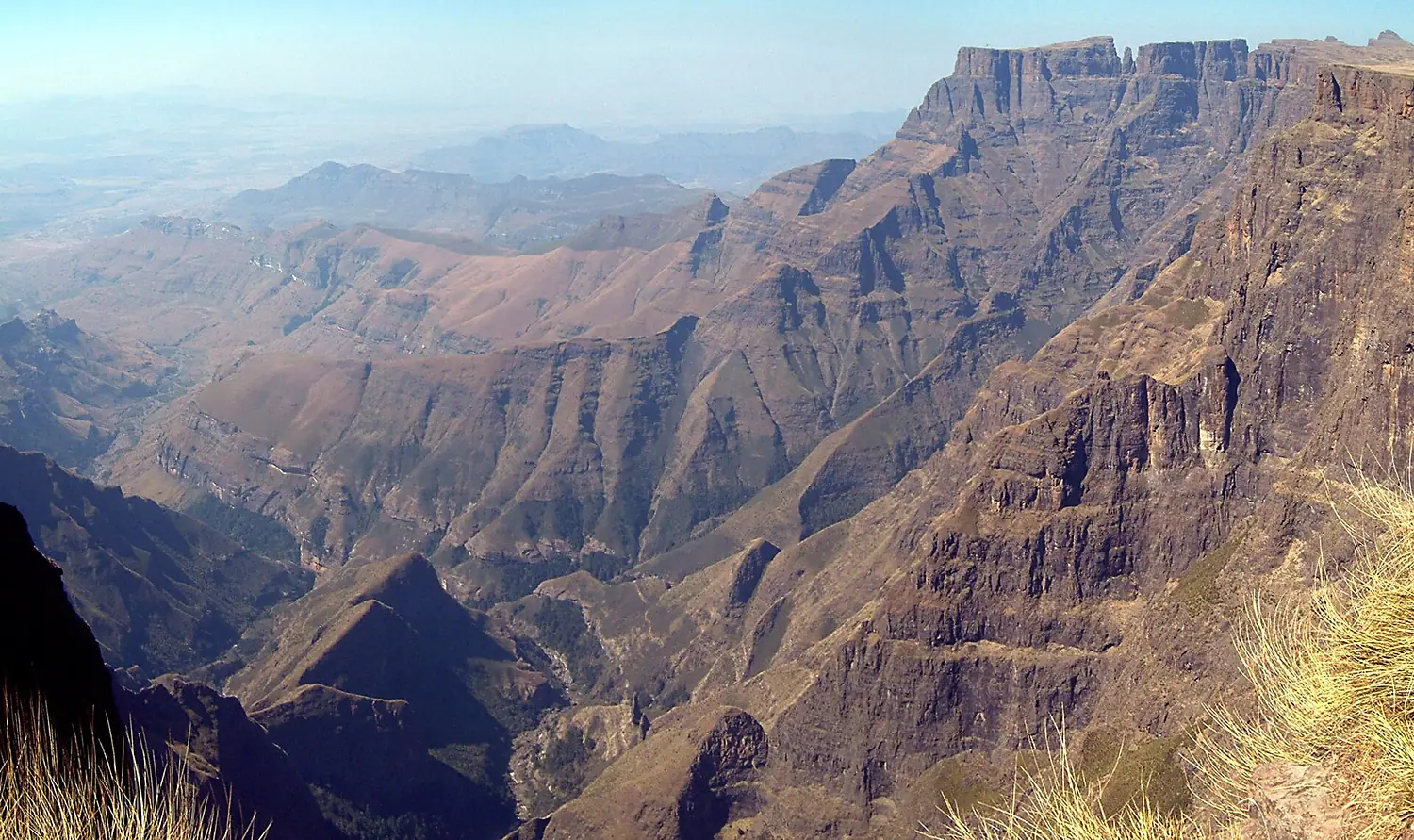
 South Africa Ramsar wetland
UKhahlamba / Drakensberg Park
78 bird species recorded; the most from November to December.
PhilippN · CC BY-SA 3.0
This month here
14 species in January.2 species in February.36 species in March.3 species in April.4 species in May.23 species in June.5 species in July.41 species in August.14 species in September.15 species in October.43 species in November.46 species in December.
The birds you are most likely to see in the month you choose, those that come for the season first. It opens on today's month.
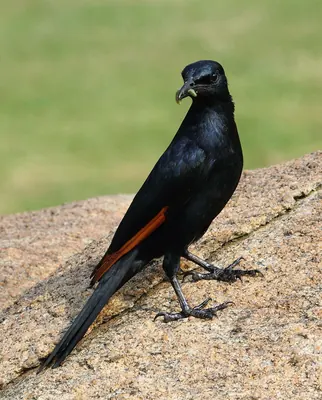
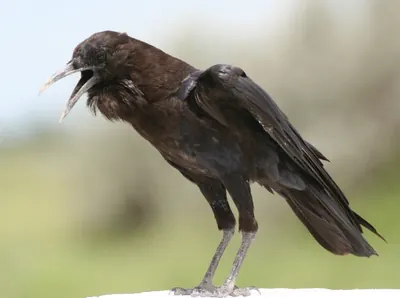
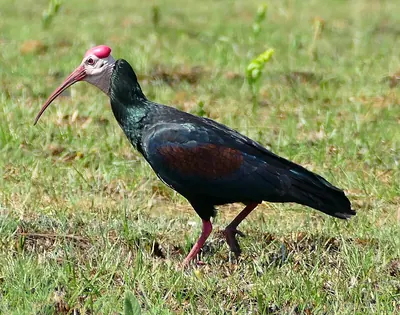 NT
NT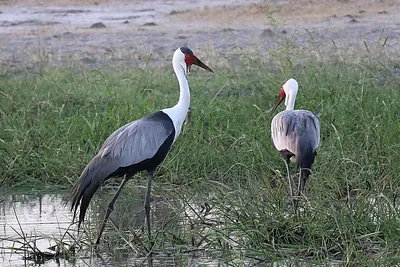 VU
VU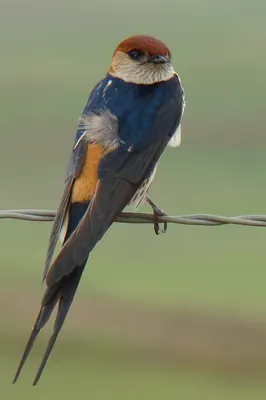
 NT
NT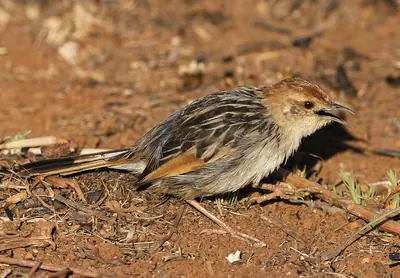
 NT
NT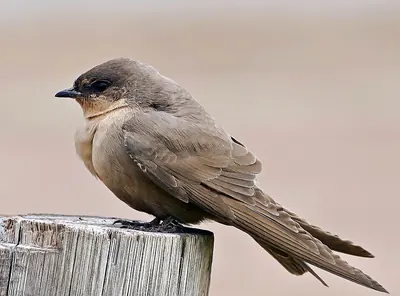
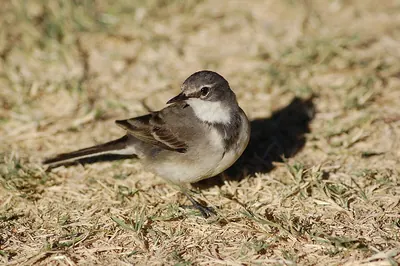
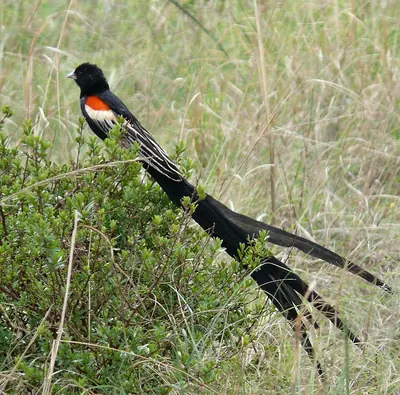
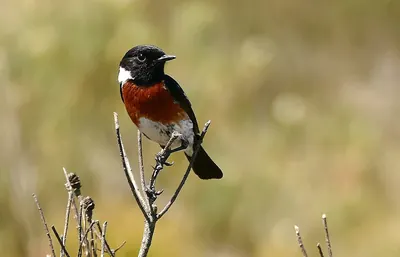
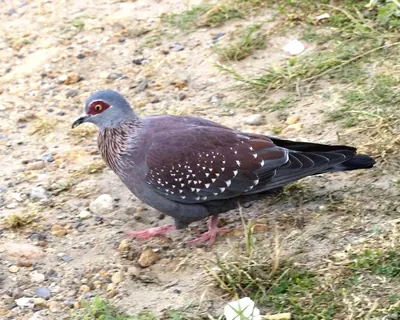
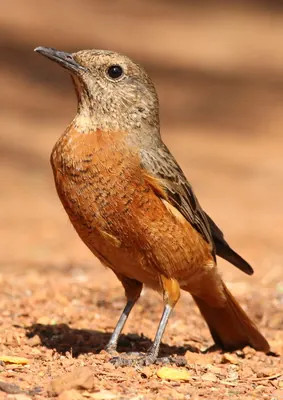
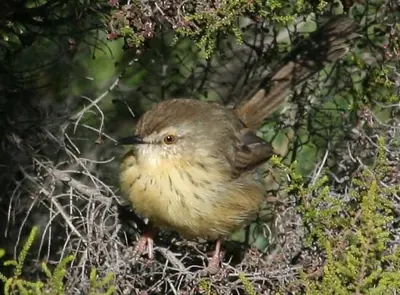
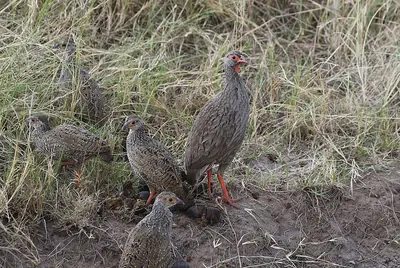
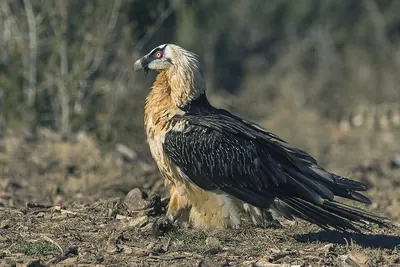 NT
NT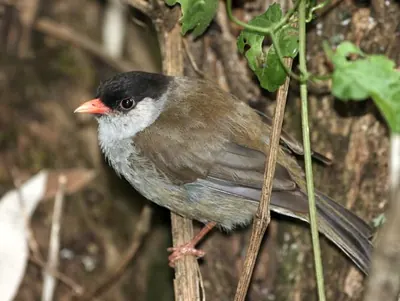
 NTNT
NTNT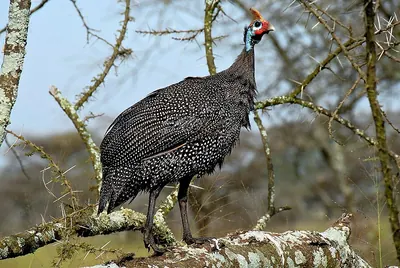
 NTVUNTNTNTNT
 VU
VU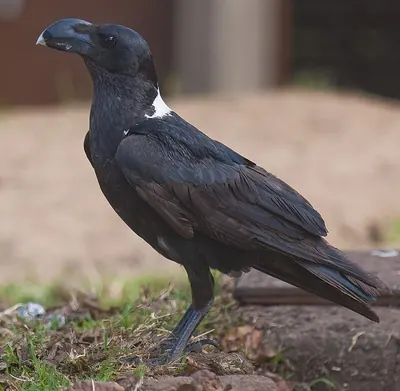
 NTNTVUNT
 VUNTNTNTNT
- Resident all year
- Summer visitor comes to breed
- Winter visitor comes for the winter
- Passage migrant in spring and autumn
In numbers
78 species, counted.
Our own rating, from the records only: species (50 points), threatened species (20), migrants (20) and protected status — Ramsar, IBA, SPA, observatory (10).
- 78Speciesrecorded more than once
- 21Migrantssummer, winter or passage visitors
- 2ThreatenedVulnerable, Endangered or Critically Endangered (IUCN)
- 453Recordsopen records within 6 km
- 2,005 mAltitudeabove the sea
- 8Raptors
- 4Herons, ibises & grebes
- 1Storks & cranes
- 50Songbirds
- 15Other birds
From open records (eBird and others, through GBIF, licensed for any use). More birdwatchers mean more records: a quiet place may have more birds than it shows.
The checklist
All 78 species.
By group, with the year in twelve cells: the darker the cell, the more often the bird is recorded that month.
Raptors8 species
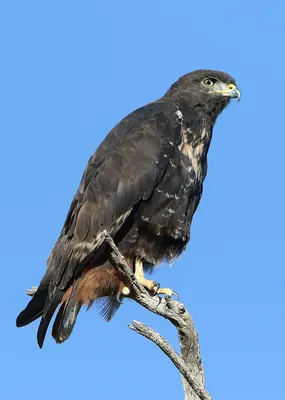
- Jackal BuzzardButeo rufofuscus
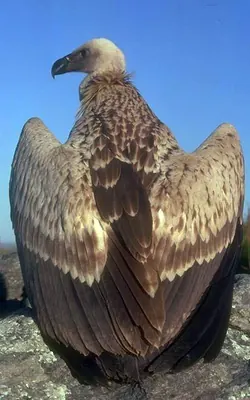
- Cape VultureGyps coprotheresVU
- Bearded VultureGypaetus barbatusNT
- Black EagleAquila verreauxii
- Black-winged KiteElanus caeruleus
- Black KiteMilvus migrans
- Secretary BirdSagittarius serpentarius
- Rock KestrelFalco rupicolus
Herons, ibises & grebes4 species
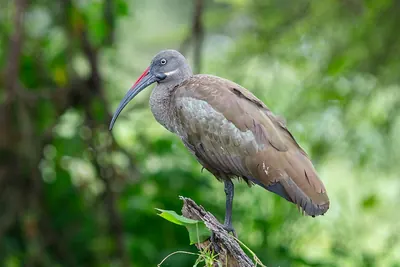
- HadadaBostrychia hagedash
- Southern Bald IbisGeronticus calvusNT
- Little GrebeTachybaptus ruficollis
- Black-headed HeronArdea melanocephala
Storks & cranes1 species
- Wattled CraneBugeranus carunculatusVU
Songbirds50 species
- Red-winged StarlingOnychognathus morio
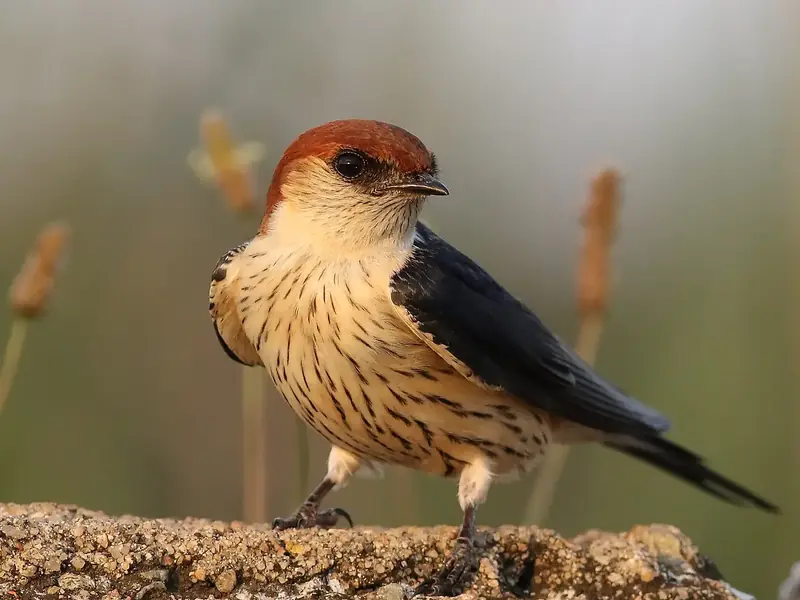
- Greater Striped SwallowCecropis cucullata
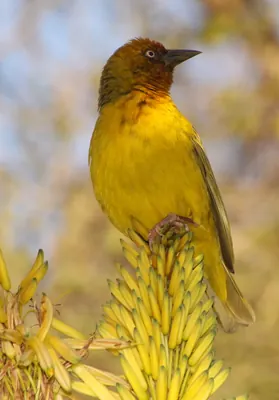
- Cape WeaverPloceus capensis
- Buff-streaked ChatCampicoloides bifasciatus
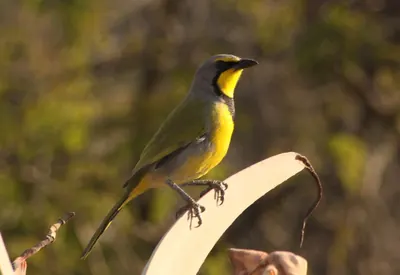
- BokmakierieTelophorus zeylonus
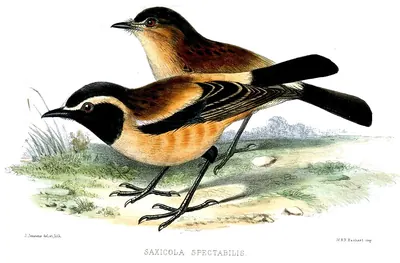
- African StonechatSaxicola torquatus
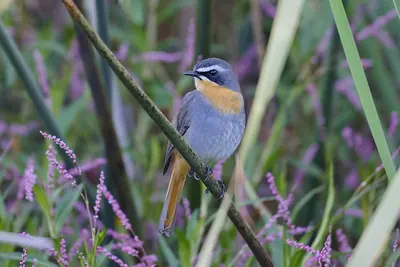
- Cape Robin-ChatDessonornis caffer
- Cape WagtailMotacilla capensis
- Levaillant's CisticolaCisticola tinniens
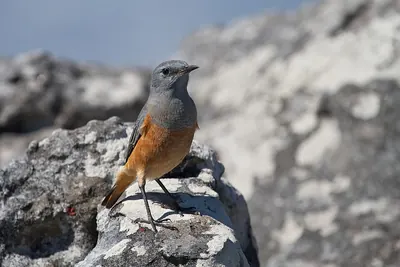
- Cape Rock ThrushMonticola rupestris
- Cape CrowCorvus capensis
- Black Rough-winged Swallow or Black Saw-wingPsalidoprocne pristoptera
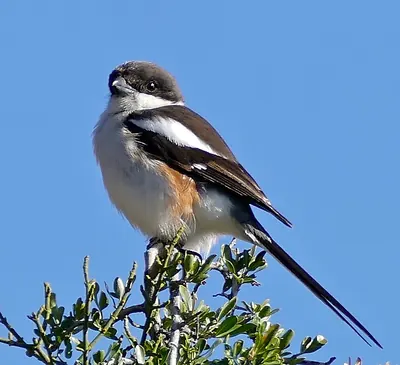
- Common FiscalLanius collaris
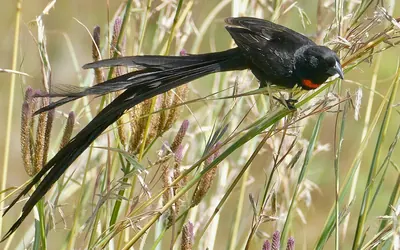
- Long-tailed WidowbirdEuplectes progne
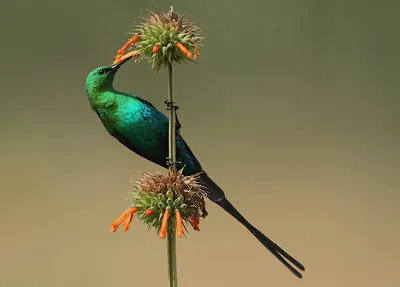
- Malachite SunbirdNectarinia famosa
- Sentinel Rock-thrushMonticola exploratorNT
- White-necked RavenCorvus albicollis
- Common BulbulPycnonotus barbatus
- Red-collared WhydahEuplectes ardens
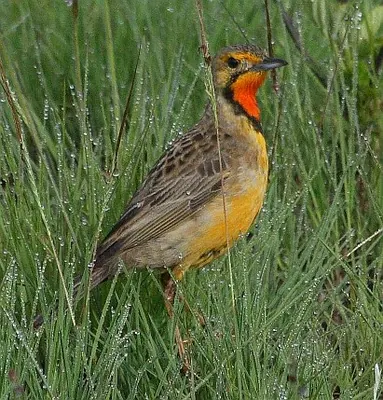
- Orange-throated LongclawMacronyx capensis
- Rock MartinPtyonoprogne fuligula
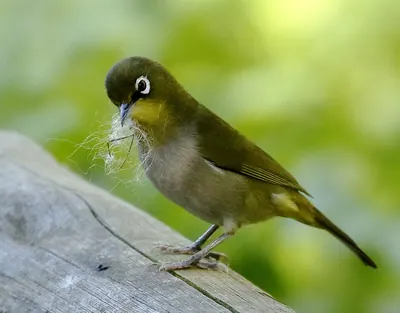
- Cape White-eyeZosterops virens
- Wailing CisticolaCisticola lais
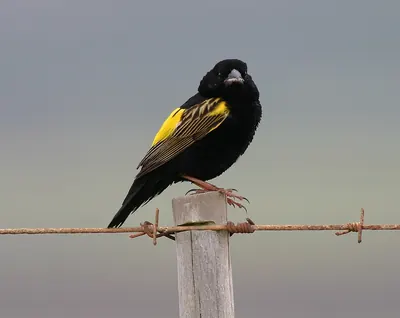
- Yellow BishopEuplectes capensis
- Drakensberg PriniaPrinia hypoxantha
- Pied StarlingLamprotornis bicolor
- Gurney's SugarbirdPromerops gurneyiNT
- Bush BlackcapLioptilus nigricapillus
- Cape CanarySerinus canicollis
- Greater Double-collared SunbirdCinnyris afer
- Amethyst SunbirdChalcomitra amethystina
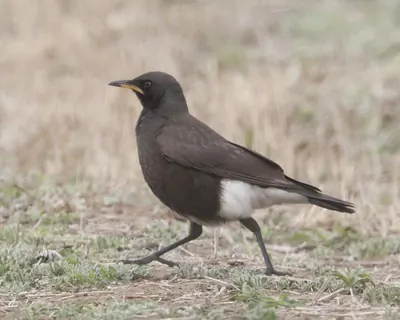
- Turdus olivaceusTurdus olivaceus
- Cisticola ayresiiCisticola ayresii
- Southern BoubouLaniarius ferrugineus
- Common WaxbillEstrilda astrild
- African Sand MartinRiparia paludicola
- Mountain WagtailMotacilla clara
- Cape RobinCossypha caffra
- Ant-eating ChatMyrmecocichla formicivora
- Rock-loving CisticolaCisticola aberrans
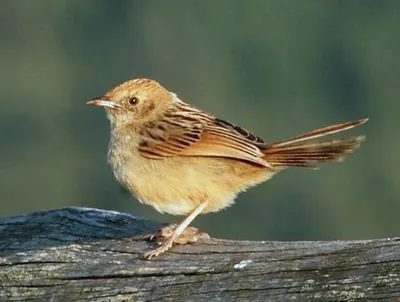
- Cape Grass-warblerSphenoeacus afer
- Southern Masked WeaverPloceus velatus
- Red BishopEuplectes orix
- Red-shouldered WhydahEuplectes axillaris
- Banded MartinRiparia cincta
- House SparrowPasser domesticus
- Familiar ChatOenanthe familiaris
- Cape SparrowPasser diffusus
- Yellow-throated Woodland WarblerPhylloscopus ruficapilla
- Barn swallowHirundo rustica
Other birds15 species
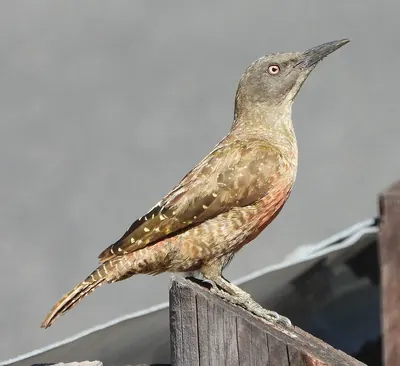
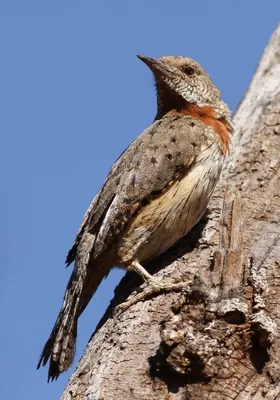
- Ground WoodpeckerGeocolaptes olivaceusNT
- Speckled PigeonColumba guinea
- Helmeted GuineafowlNumida meleagris
- Red-chested CuckooCuculus solitarius
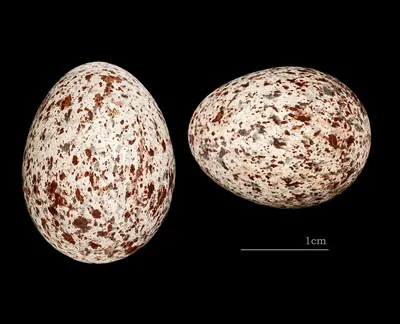
- Rufous-necked WryneckJynx ruficollis
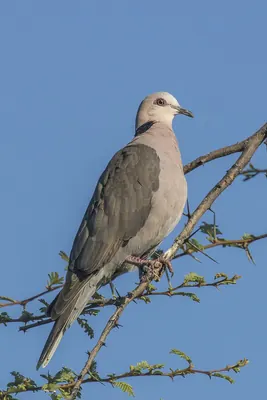
- Red-eyed DoveStreptopelia semitorquata
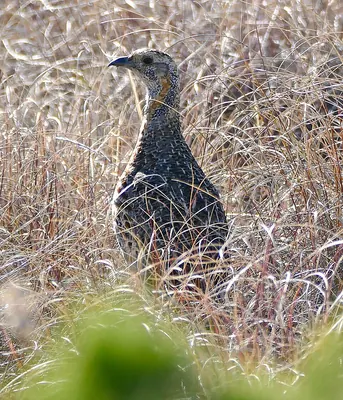
- Grey-wing FrancolinScleroptila afra
- Red-necked SpurfowlPternistis afer
- White-rumped SwiftApus caffer
- Red-winged FrancolinScleroptila levaillantii
- Common QuailCoturnix coturnix
- Jacobin CuckooClamator jacobinus
- Horus SwiftApus horus
- Speckled MousebirdColius striatus
- African Olive PigeonColumba arquatrix
Monthly presence relative to all bird records that month, so a busy month does not inflate every species.
When to go
The most species from November to December.
Species recorded in each month, with the usual temperature and rain.
- Jan22°/10°209 mm
- Feb21°/9°176 mm
- Mar20°/7°119 mm
- Apr17°/4°68 mm
- May14°/1°18 mm
- Jun12°/-2°12 mm
- Jul12°/-2°14 mm
- Aug15°/-1°23 mm
- Sep19°/2°36 mm
- Oct21°/5°88 mm
- Nov22°/7°124 mm
- Dec22°/9°179 mm
- Bar: species recorded that month.
- Temperature: average maximum / minimum (NASA, 1991–2020).
- Rain: monthly total.
The place
UKhahlamba / Drakensberg Park.
Part of a world heritage site in KwaZulu-Natal, South Africa
UKhahlamba / Drakensberg Park is a wetland of international importance (Ramsar) in South Africa, 2,005 m above the sea.
78 bird species have been recorded here more than once, in 453 open records.
The most recorded are the Red-winged Starling, the Greater Striped Swallow and the Cape Weaver.
10 species come for the summer, 7 for the winter and 4 only pass through.
2 are threatened worldwide, including Cape Vulture and Wattled Crane.
The most species are recorded from November to December.
Get there and watch
- Lotheni Camp Sitecampsite · 4.3 km · 1 within 10 km
- Simes Cottageplace to stay · 4.2 km · 1 within 10 km
- Pietermaritzburg Airport (PZB)nearest airport with scheduled flights · 89 km in a straight lineCar hire at PZB airport (Pietermaritzburg)Discover Cars · sponsored link↗
Plan the visit
A guided walk, a bed nearby, a car.
Some links above are affiliate links: if you book through them we may earn a commission, at no extra cost to you. It never changes what the data on this page says.
From above
The place and its surroundings.
The satellite image of the 6 × 6 km around the place, with the bird hides, towers and trails that OpenStreetMap shows.
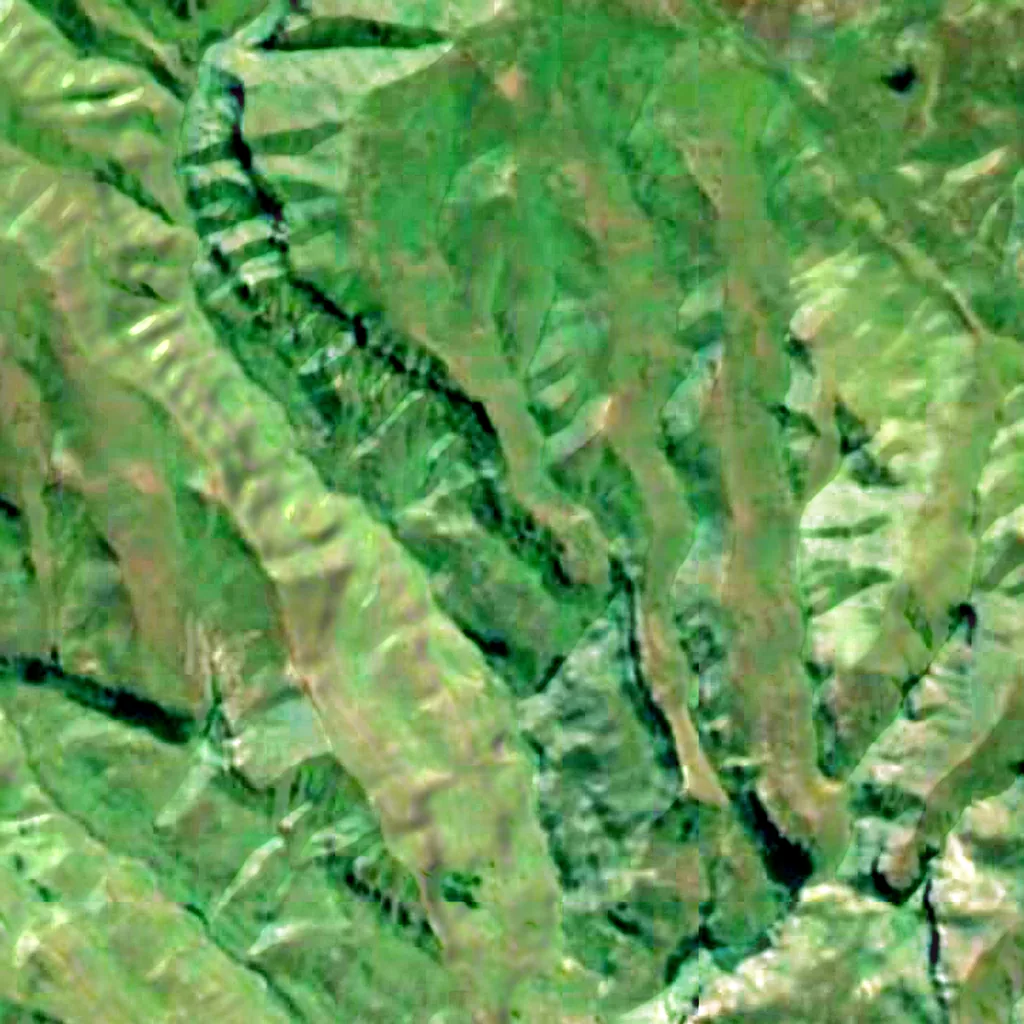
Around, in OpenStreetMap
- 1viewpoints within 5 kmValley viewpoint
- 1campsites within 10 kmLotheni Camp Site
- 1places to stay within 10 kmSimes Cottage
- bird hides within 6 km
- observation towers within 6 km
- marked trails within 4 km
- visitor centres within 6 km
- car parks within 3 km
- restaurants and cafés within 3 km
Counted in OpenStreetMap, the map anyone can edit. A low number may just mean nobody has mapped it yet.
In our other atlases
Around UKhahlamba / Drakensberg Park.
The lakes, beaches, islands, rivers and mountains around this place, and its night sky, in the family's atlases.
 Peakyas45 mountains within 25 km
Figures from the sister sites' databases (Wikidata, HydroATLAS, GeoNames, OpenStreetMap). Links open when each site is online.
Other places nearby.
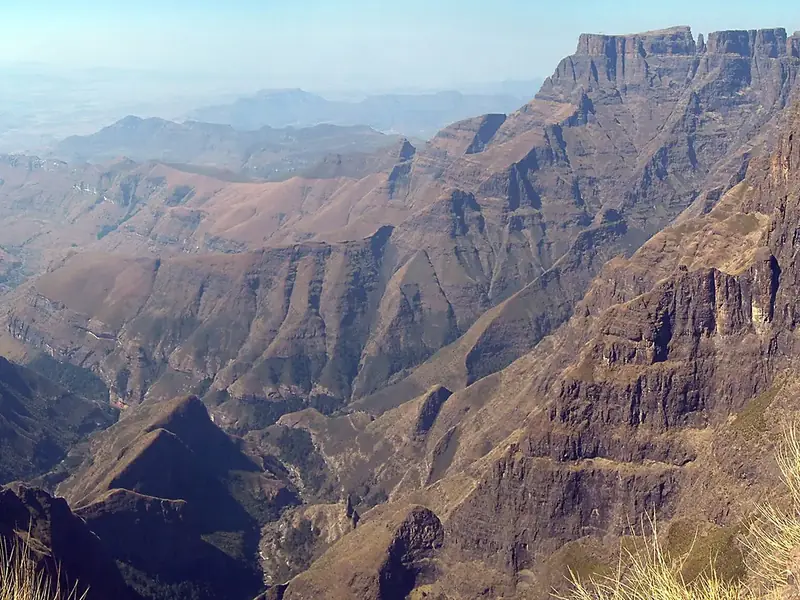
UKhahlamba / Drakensberg Park
South Africa
- 46Birdyas Score
- 78Species
- 21Migrants
- 2Threatened
Umdoni Bird Sanctuary
South Africa · 150 km
- 73Birdyas Score
- 302Species
- 95Migrants
- 3Threatened
Marievale Bird Sanctuary
South Africa · 352 km
- 79Birdyas Score
- 359Species
- 139Migrants
- 5Threatened
Where these figures come from
| Name and type | Wikidata (Q2744060) · CC0 |
|---|---|
| Birds | 453 open bird records within 6 km (GBIF, CC0 and CC BY 4.0 only; mostly eBird, Cornell Lab of Ornithology) |
| See these records | gbif.org |
| Species | GBIF Backbone Taxonomy · CC BY 4.0; Wikidata (CC0); Wikimedia Commons |
| Altitude | Copernicus DEM GLO-30 · © DLR e.V., © Airbus Defence and Space GmbH, Copernicus/ESA |
| Temperature and rain | NASA POWER (CERES SYN1deg, 2001–2020; MERRA-2) |
| What is around | © OpenStreetMap contributors · ODbL |
| Images | EOX Sentinel-2 cloudless 2016 · CC BY 4.0; Wikimedia Commons |
| Sister atlases | Peakyas, Darkskyas |
Every figure is an average, an estimate or a count from a public dataset. Licences and methods: data sources.
The family
Do you prefer beaches, lakes, mountains, waterfalls, islands, rivers, canyons, caves, dark skies, viewpoints, birdwatching or forests?
Same idea, other landscapes: field atlases built on open data, in seven languages.
 beaches
 Find your beach: sea temperature, sun and swimming month by month.Visit
  lakes
lakes Every lake on Earth: water temperature, ice, depth and the shore.Visit mountains
 Every summit in 3D: summit weather, the 0 °C line, huts and trails.Visit
  waterfalls
 Every waterfall: height, flow month by month and when it roars.Visit
  islands
 Every island from the sea up: size, sea temperature, ferries and 3D.Visit
  rivers
 Every river from source to sea: the journey, the flow and the basin in numbers.Visit
  canyons
 Every canyon cut to scale: depth to the floor, rim and floor temperatures, trails and viewpoints.Visit
  caves
caves Every cave with its real depth and length: the rock above, the temperature inside all year, and how to visit.Visit
  dark skies
 Where the night is still dark: the sky of every place, the Milky Way month by month, the Moon, eclipses and auroras.Visit
  viewpoints
 Every viewpoint with its real 360° panorama: the peaks you can name, how far you see and where the sun sets.Coming soonVisit
  birdwatching
 Every bird sanctuary and wetland with the species recorded month by month: who is resident, who comes for the summer, who only passes through.You are here
 forests
 Every forest with its land-cover rings, what grows and lives in it, and the best months to walk it.Coming soonVisit