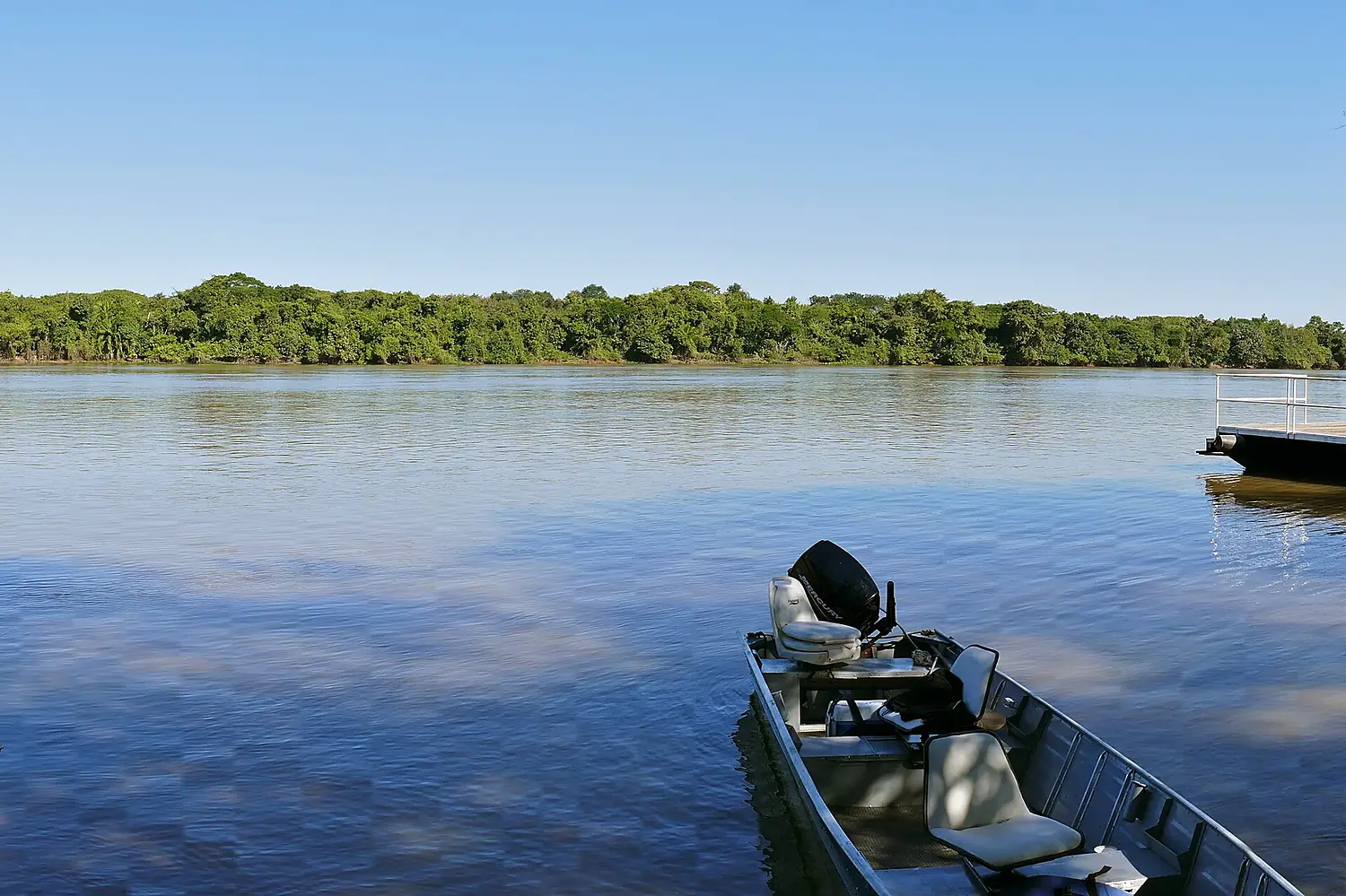
 Brazil Ramsar wetland
São Lourenço River
113 bird species recorded; the most in August and in November.
Bernard DUPONT from FRANCE · CC BY-SA 2.0
This month here
17 species in January.0 species in February.0 species in March.0 species in April.0 species in May.33 species in June.10 species in July.80 species in August.1 species in September.28 species in October.86 species in November.0 species in December.
The birds you are most likely to see in the month you choose, those that come for the season first. It opens on today's month.
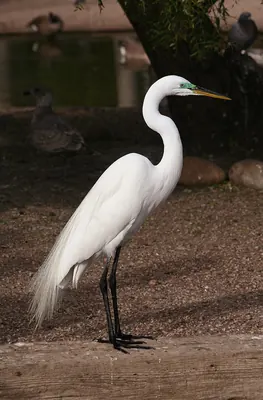
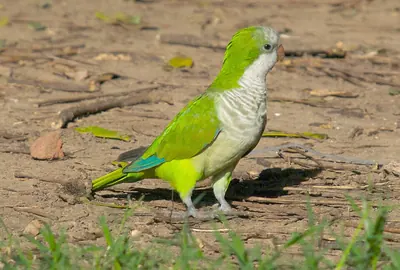
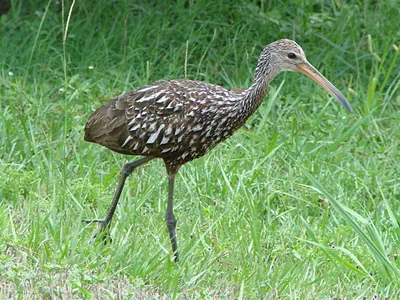
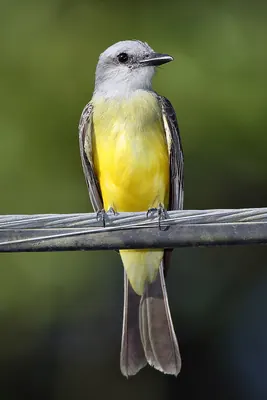
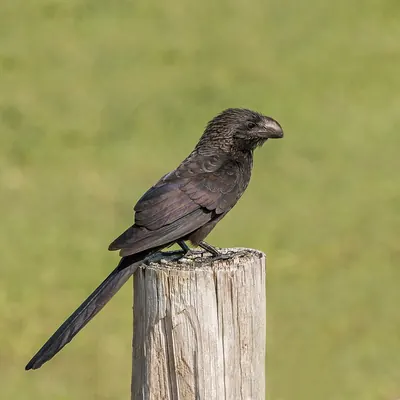
No records for this month.
No records for this month.
No records for this month.
No records for this month.
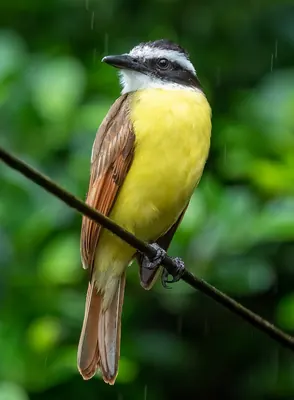
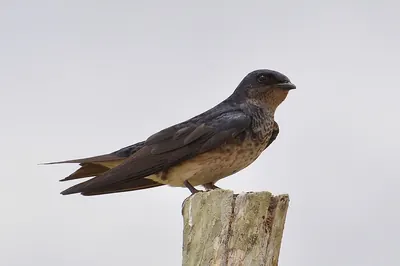
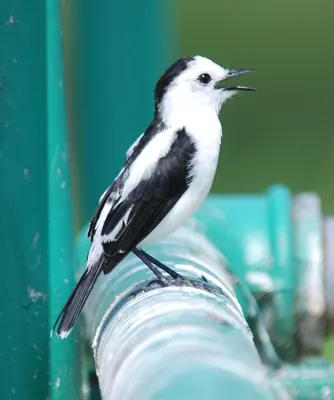
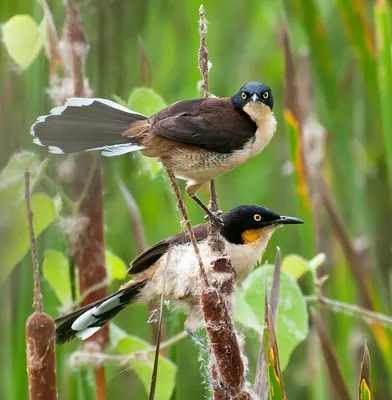
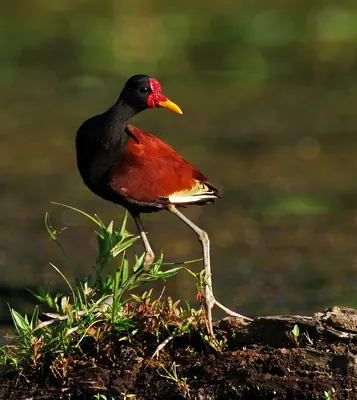
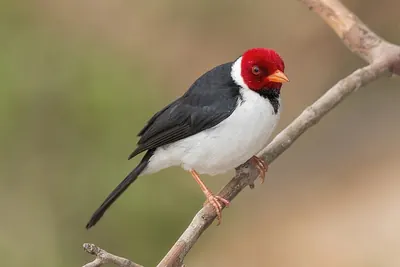
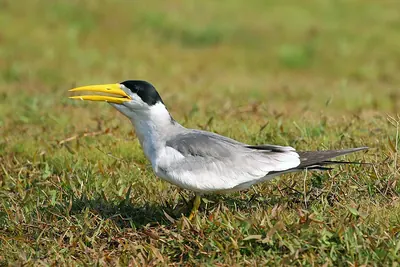
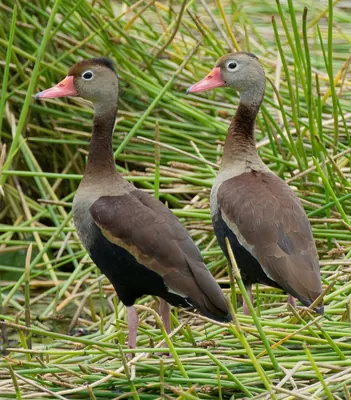
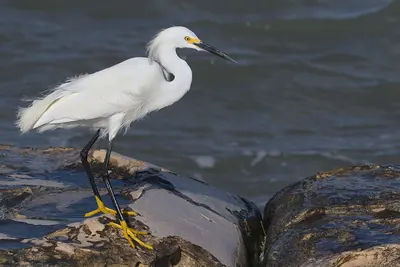
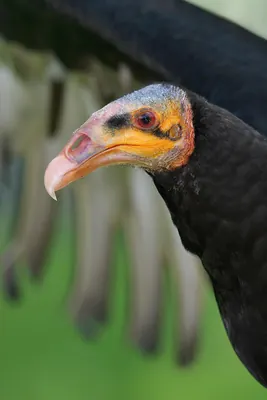
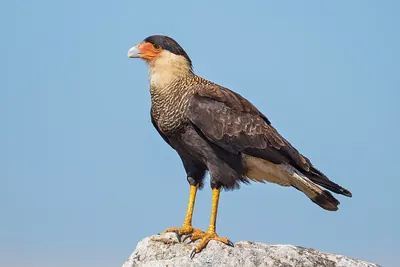
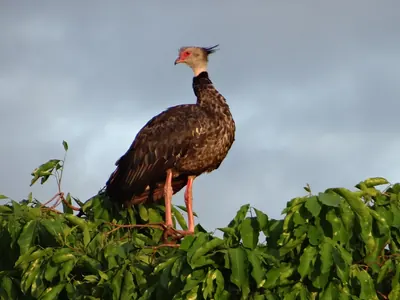
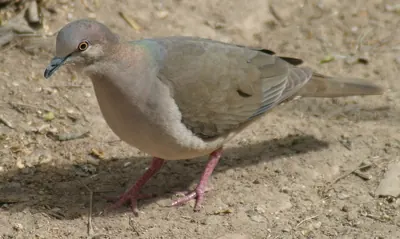
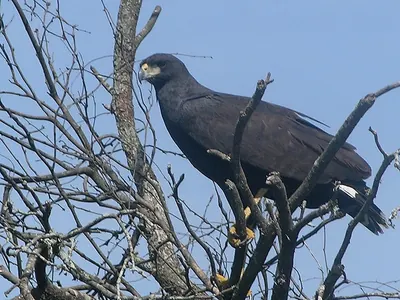
No records for this month.
- Resident all year
- Summer visitor comes to breed
- Winter visitor comes for the winter
- Passage migrant in spring and autumn
In numbers
113 species, counted.
Our own rating, from the records only: species (50 points), threatened species (20), migrants (20) and protected status — Ramsar, IBA, SPA, observatory (10).
- 113Speciesrecorded more than once
- 22Migrantssummer, winter or passage visitors
- 3ThreatenedVulnerable, Endangered or Critically Endangered (IUCN)
- 882Recordsopen records within 6 km
- 90 mAltitudeabove the sea
- 13Raptors
- 4Waders
- 3Gulls & seabirds
- 3Ducks & geese
- 13Herons, ibises & grebes
- 2Storks & cranes
- 42Songbirds
- 33Other birds
From open records (eBird and others, through GBIF, licensed for any use). More birdwatchers mean more records: a quiet place may have more birds than it shows.
The checklist
All 113 species.
By group, with the year in twelve cells: the darker the cell, the more often the bird is recorded that month.
Raptors13 species
- Black VultureCoragyps atratus
- Lesser Yellow-headed VultureCathartes burrovianus
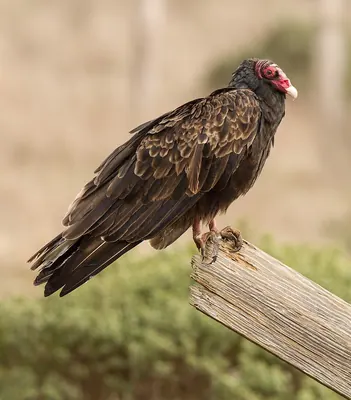
- Turkey VultureCathartes aura
- Crested CaracaraCaracara plancus
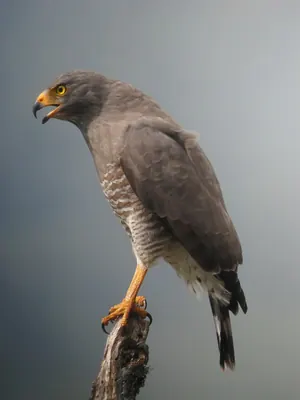
- Roadside HawkRupornis magnirostris
- Snail KiteRostrhamus sociabilis
- OspreyPandion haliaetus
- Savanna HawkButeogallus meridionalis
- Great Black HawkButeogallus urubitinga
- Crane HawkGeranospiza caerulescens
- Black-collared HawkBusarellus nigricollis
- Bat FalconFalco rufigularis
- Long-winged HarrierCircus buffoni
Waders4 species
- Wattled JacanaJacana jacana
- Southern LapwingVanellus chilensis
- Pied PloverHoploxypterus cayanus
- Lesser yellowlegsTringa flavipesVU
Gulls & seabirds3 species
- Large-billed TernPhaetusa simplex
- Yellow-billed TernSternula superciliaris
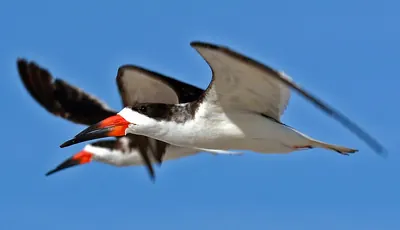
- Black SkimmerRynchops niger
Ducks & geese3 species
- Southern ScreamerChauna torquata
- Black-bellied Whistling DuckDendrocygna autumnalis
- White-faced Whistling-duckDendrocygna viduata
Herons, ibises & grebes13 species
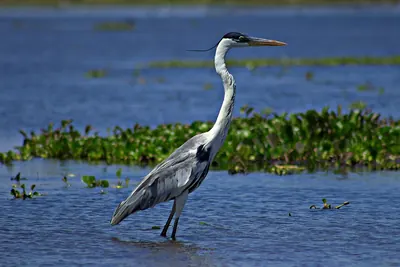
- Cocoi HeronArdea cocoi
- Phalacrocorax brasilianusPhalacrocorax brasilianus
- Great White EgretArdea alba
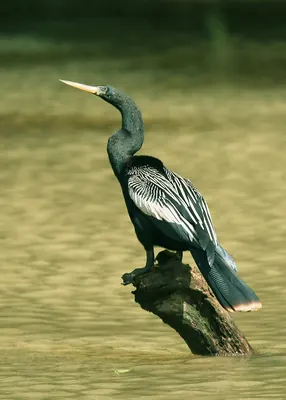
- AnhingaAnhinga anhinga
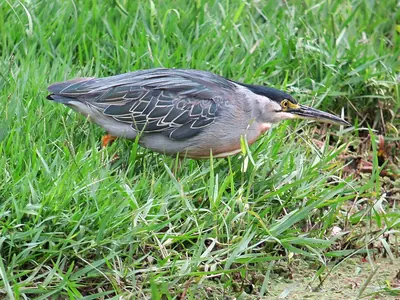
- Striated HeronButorides striata
- Black-crowned Night-HeronNycticorax nycticorax
- Rufescent Tiger HeronTigrisoma lineatum
- Snowy EgretEgretta thula
- Green IbisMesembrinibis cayennensis
- Roseate SpoonbillPlatalea ajaja
- Buff-necked IbisTheristicus caudatus
- Western Cattle EgretBubulcus ibis
- Plumbeous IbisTheristicus caerulescens
Storks & cranes2 species
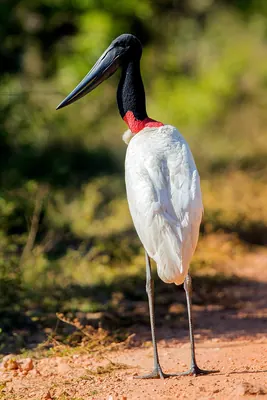
- JabiruJabiru mycteria
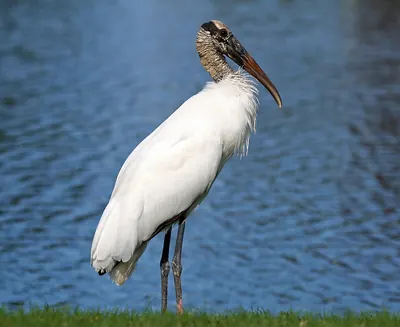
- Wood StorkMycteria americana
Songbirds42 species
- Yellow-billed CardinalParoaria capitata
- Tropical KingbirdTyrannus melancholicus
- Great KiskadeePitangus sulphuratus
- Gray-breasted MartinProgne chalybea
- Yellow-chinned SpinetailCerthiaxis cinnamomeus
- Pied Water TyrantFluvicola pica
- White-winged SwallowTachycineta albiventer
- Venezuelan TroupialIcterus icterus
- Rufous HorneroFurnarius rufus
- Black-capped DonacobiusDonacobius atricapilla
- Common Tody-flycatcherTodirostrum cinereum
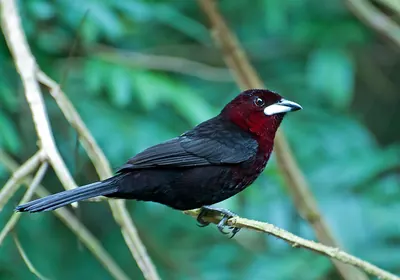
- Silver-beaked TanagerRamphocelus carbo
- Yellow-rumped CaciqueCacicus cela
- House SparrowPasser domesticus
- Thrush-like WrenCampylorhynchus turdinus
- Thraupis palmarumThraupis palmarum
- Saltator coerulescensSaltator coerulescens
- Sand MartinRiparia riparia
- Purplish JayCyanocorax cyanomelas
- Cattle TyrantMachetornis rixosa
- Crested OropendolaPsarocolius decumanus
- Greater ThornbirdPhacellodomus ruber
- Brown-chested MartinProgne tapera
- Southern Rough-winged SwallowStelgidopteryx ruficollis
- White-bellied SeedeaterSporophila leucoptera
- Blue-black GrassquitVolatinia jacarina
- Barred AntshrikeThamnophilus doliatus
- White-headed Marsh TyrantArundinicola leucocephala
- Scarlet FlycatcherPyrocephalus rubinus
- Unicoloured BlackbirdAgelasticus cyanopus
- Shiny CowbirdMolothrus bonariensis
- Chopi BlackbirdGnorimopsar chopi
- Scarlet-headed BlackbirdAmblyramphus holosericeus
- White-lored SpinetailSynallaxis albilora
- Rusty-backed SpinetailCranioleuca vulpina
- Rufous-browed PeppershrikeCyclarhis gujanensis
- Great AntshrikeTaraba major
- Creamy-bellied ThrushTurdus amaurochalinus
- Fork-tailed FlycatcherTyrannus savana
- Solitary CaciqueCacicus solitarius
- Epaulet OrioleIcterus cayanensis
- White-rumped SwallowTachycineta leucorrhoa
Other birds33 species
- Monk ParakeetMyiopsitta monachus
- LimpkinAramus guarauna
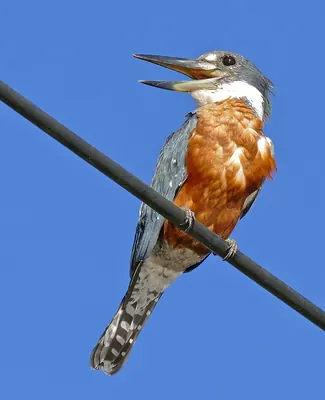
- Ringed KingfisherMegaceryle torquata
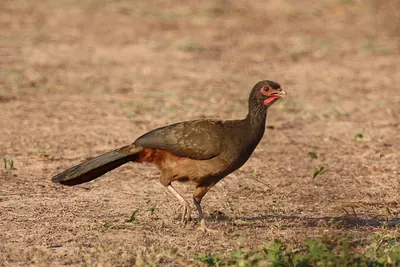
- Chaco ChachalacaOrtalis canicollis
- Smooth-billed AniCrotophaga ani
- Amazon KingfisherChloroceryle amazona
- Blue-fronted AmazonAmazona aestivaNT
- Toco ToucanRamphastos toco
- White-tipped DoveLeptotila verreauxi
- Striped CuckooTapera naevia
- Scaled DoveColumbina squammata
- Bare-faced CurassowCrax fasciolataVU
- Red-throated Piping GuanPipile cujubiVU
- Picazuro PigeonPatagioenas picazuro
- Pale-vented PigeonPatagioenas cayennensis
- Yellow-chevroned ParakeetBrotogeris chiriri
- PauraqueNyctidromus albicollis
- Gilded HummingbirdHylocharis chrysura
- Glittering-bellied EmeraldChlorostilbon lucidus
- Little WoodpeckerVeniliornis passerinus
- Aratinga leucophthalmaAratinga leucophthalma
- White-tailed GoldenthroatPolytmus guainumbi
- Green-barred WoodpeckerColaptes melanochloros
- Golden-collared MacawPrimolius auricollis
- Eared DoveZenaida auriculata
- Guira CuckooGuira guira
- Blue-crowned TrogonTrogon curucui
- SungrebeHeliornis fulica
- Undulated TinamouCrypturellus undulatus
- Aratinga acuticaudataAratinga acuticaudata
- Band-tailed NighthawkNyctiprogne leucopyga
- Azure GallinulePorphyrio flavirostris
- Red-and-green MacawAra chloropterus
Monthly presence relative to all bird records that month, so a busy month does not inflate every species.
When to go
The most species in August and in November.
Species recorded in each month, with the usual temperature and rain.
- Jan33°/24°160 mm
- Feb32°/24°150 mm
- Mar33°/23°118 mm
- Apr33°/22°63 mm
- May31°/19°60 mm
- Jun31°/18°18 mm
- Jul32°/17°15 mm
- Aug35°/19°16 mm
- Sep37°/22°36 mm
- Oct37°/24°87 mm
- Nov35°/24°111 mm
- Dec34°/24°141 mm
- Bar: species recorded that month.
- Temperature: average maximum / minimum (NASA, 1991–2020).
- Rain: monthly total.
The place
São Lourenço River.
River in Mato Grosso, Brazil
São Lourenço River is a wetland of international importance (Ramsar) in Brazil.
113 bird species have been recorded here more than once, in 882 open records.
The most recorded are the Cocoi Heron, the Monk Parakeet and the Phalacrocorax brasilianus.
8 species come for the summer, 13 for the winter and 1 only pass through.
3 are threatened worldwide, including Bare-faced Curassow, Red-throated Piping Guan and Lesser yellowlegs.
The most species are recorded in August and in November.
Get there and watch
- Capitán Av. Salvador Ogaya G. airport (PSZ)nearest airport with scheduled flights · 125 km in a straight lineCar hire in CorumbaDiscover Cars · sponsored link↗
Plan the visit
A guided walk, a bed nearby, a car.
Some links above are affiliate links: if you book through them we may earn a commission, at no extra cost to you. It never changes what the data on this page says.
From above
The place and its surroundings.
The satellite image of the 6 × 6 km around the place, with the bird hides, towers and trails that OpenStreetMap shows.
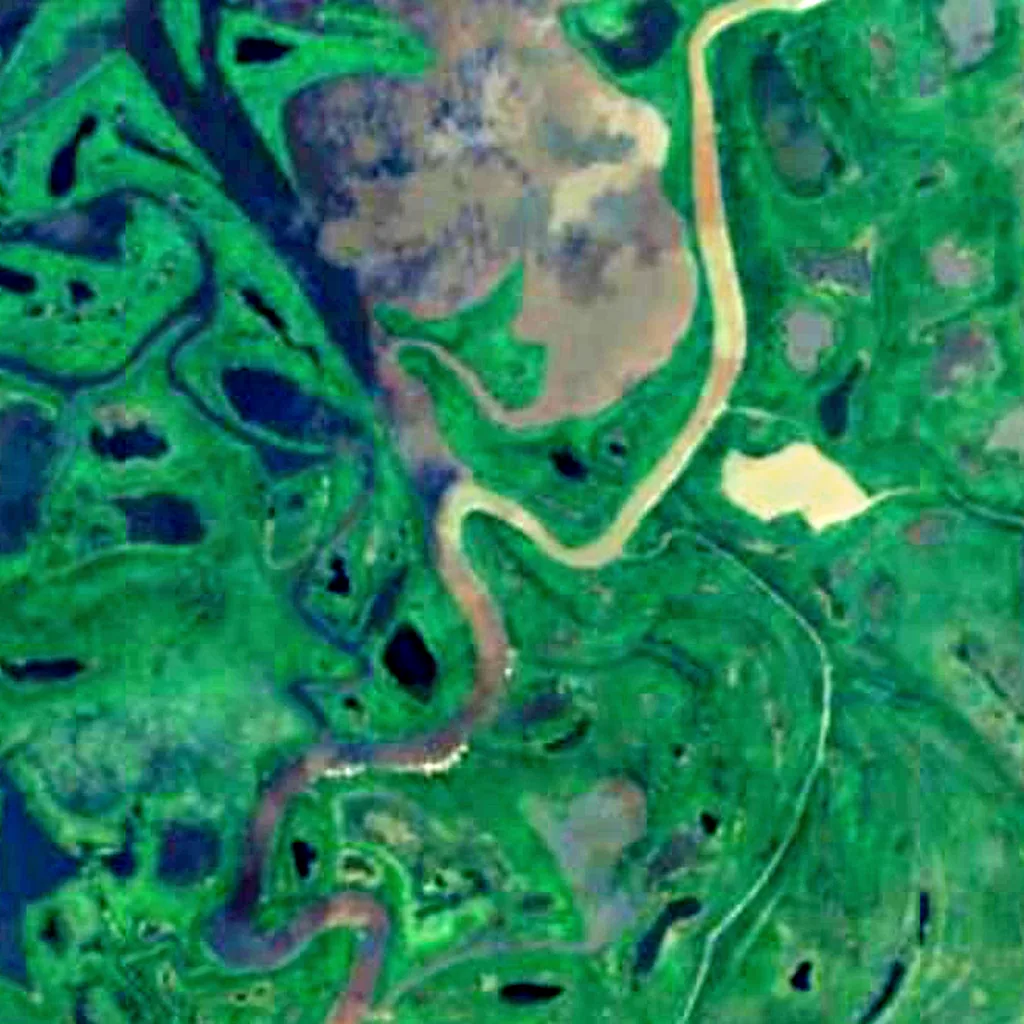
Around, in OpenStreetMap
- bird hides within 6 km
- observation towers within 6 km
- marked trails within 4 km
- visitor centres within 6 km
- viewpoints within 5 km
- car parks within 3 km
- restaurants and cafés within 3 km
- campsites within 10 km
- places to stay within 10 km
Counted in OpenStreetMap, the map anyone can edit. A low number may just mean nobody has mapped it yet.
In our other atlases
Around São Lourenço River.
The lakes, beaches, islands, rivers and mountains around this place, and its night sky, in the family's atlases.
 Peakyas2 mountains within 25 km
 Riveryasthe river nearby
Figures from the sister sites' databases (Wikidata, HydroATLAS, GeoNames, OpenStreetMap). Links open when each site is online.
Photographs
The place, as people saw it.
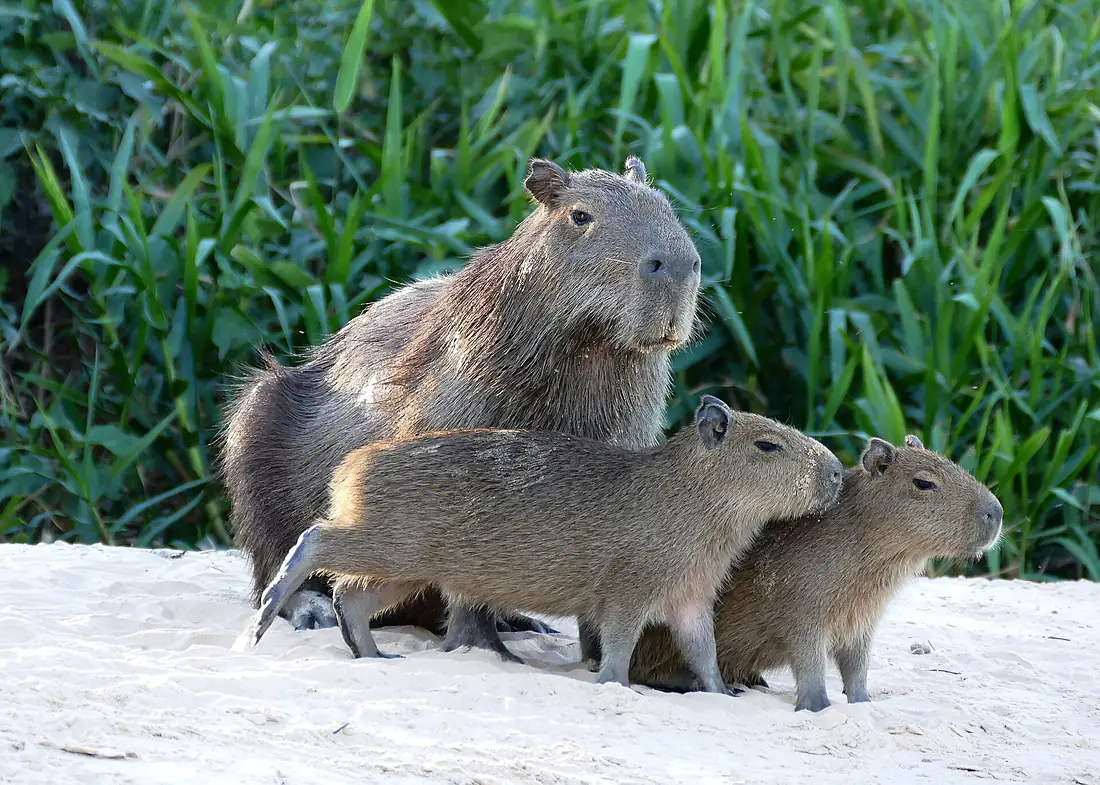
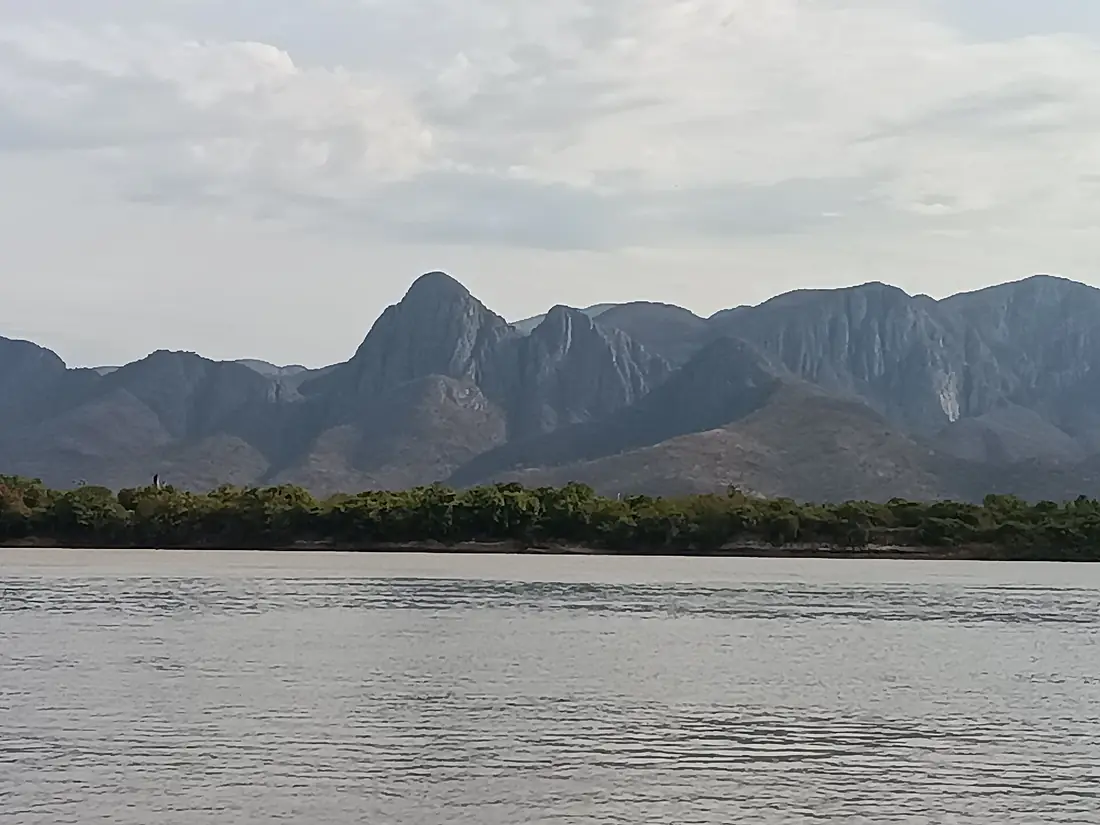
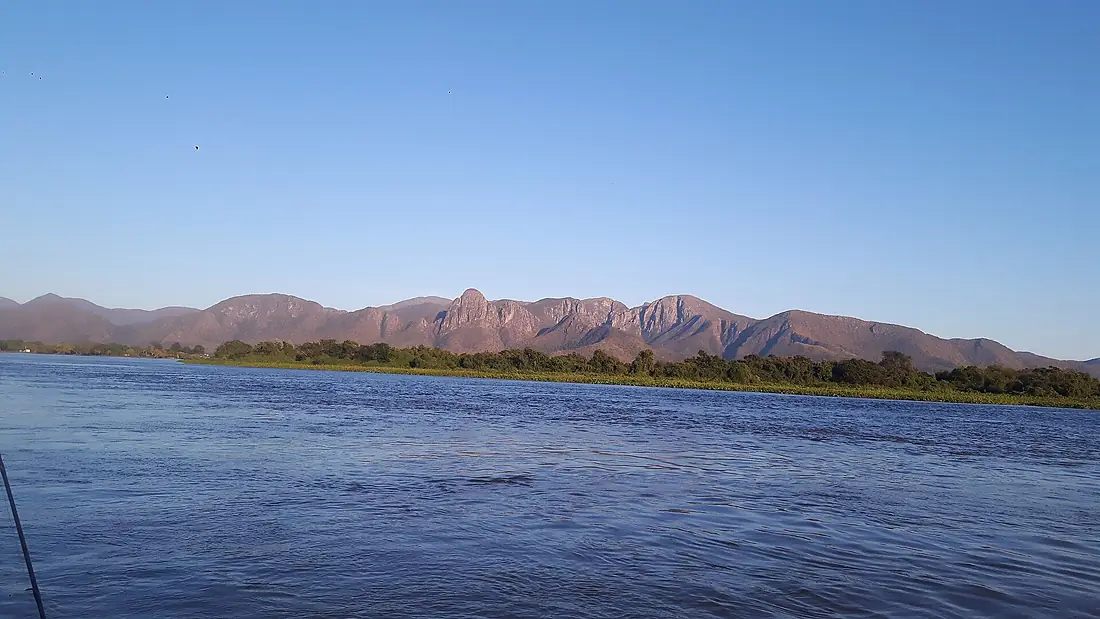
Other places nearby.
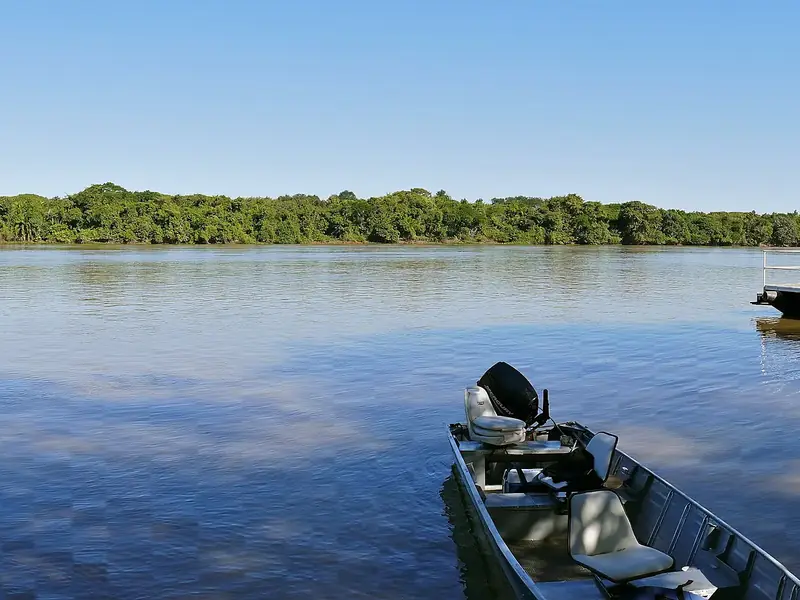
São Lourenço River
Brazil
- 52Birdyas Score
- 113Species
- 22Migrants
- 3Threatened
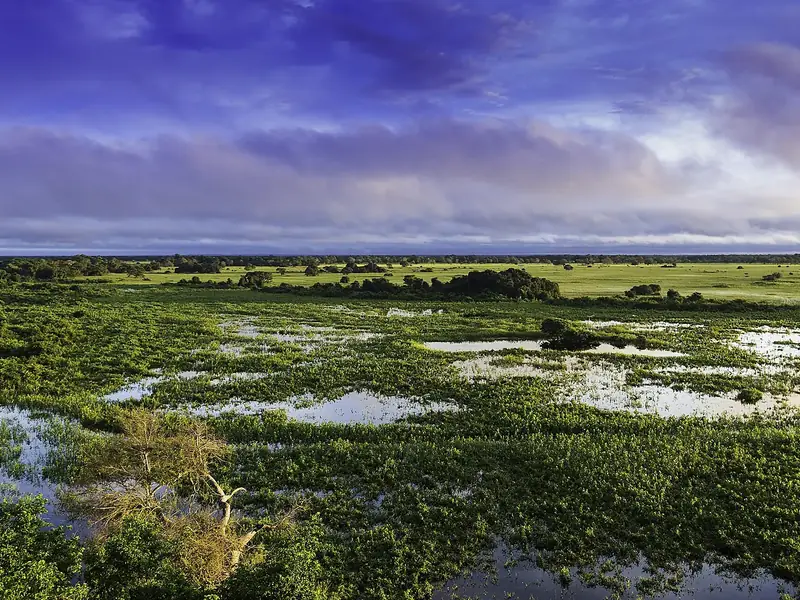
Pantanal Matogrossense National Park
Brazil · 23 km
- 52Birdyas Score
- 156Species
- 3Migrants
- 4Threatened
Where these figures come from
| Name and type | Wikidata (Q7665603) · CC0 |
|---|---|
| Birds | 882 open bird records within 6 km (GBIF, CC0 and CC BY 4.0 only; mostly eBird, Cornell Lab of Ornithology) |
| See these records | gbif.org |
| Species | GBIF Backbone Taxonomy · CC BY 4.0; Wikidata (CC0); Wikimedia Commons |
| Altitude | Copernicus DEM GLO-30 · © DLR e.V., © Airbus Defence and Space GmbH, Copernicus/ESA |
| Temperature and rain | NASA POWER (CERES SYN1deg, 2001–2020; MERRA-2) |
| What is around | © OpenStreetMap contributors · ODbL |
| Images | EOX Sentinel-2 cloudless 2016 · CC BY 4.0; Wikimedia Commons |
| Sister atlases | Peakyas, Riveryas |
Every figure is an average, an estimate or a count from a public dataset. Licences and methods: data sources.
The family
Do you prefer beaches, lakes, mountains, waterfalls, islands, rivers, canyons, caves, dark skies, viewpoints, birdwatching or forests?
Same idea, other landscapes: field atlases built on open data, in seven languages.
 beaches
 Find your beach: sea temperature, sun and swimming month by month.Visit
  lakes
lakes Every lake on Earth: water temperature, ice, depth and the shore.Visit mountains
 Every summit in 3D: summit weather, the 0 °C line, huts and trails.Visit
  waterfalls
 Every waterfall: height, flow month by month and when it roars.Visit
  islands
 Every island from the sea up: size, sea temperature, ferries and 3D.Visit rivers
 Every river from source to sea: the journey, the flow and the basin in numbers.Visit
  canyons
 Every canyon cut to scale: depth to the floor, rim and floor temperatures, trails and viewpoints.Visit
  caves
caves Every cave with its real depth and length: the rock above, the temperature inside all year, and how to visit.Visit
  dark skies
 Where the night is still dark: the sky of every place, the Milky Way month by month, the Moon, eclipses and auroras.Visit
  viewpoints
 Every viewpoint with its real 360° panorama: the peaks you can name, how far you see and where the sun sets.Coming soonVisit
  birdwatching
 Every bird sanctuary and wetland with the species recorded month by month: who is resident, who comes for the summer, who only passes through.You are here
 forests
 Every forest with its land-cover rings, what grows and lives in it, and the best months to walk it.Coming soonVisit