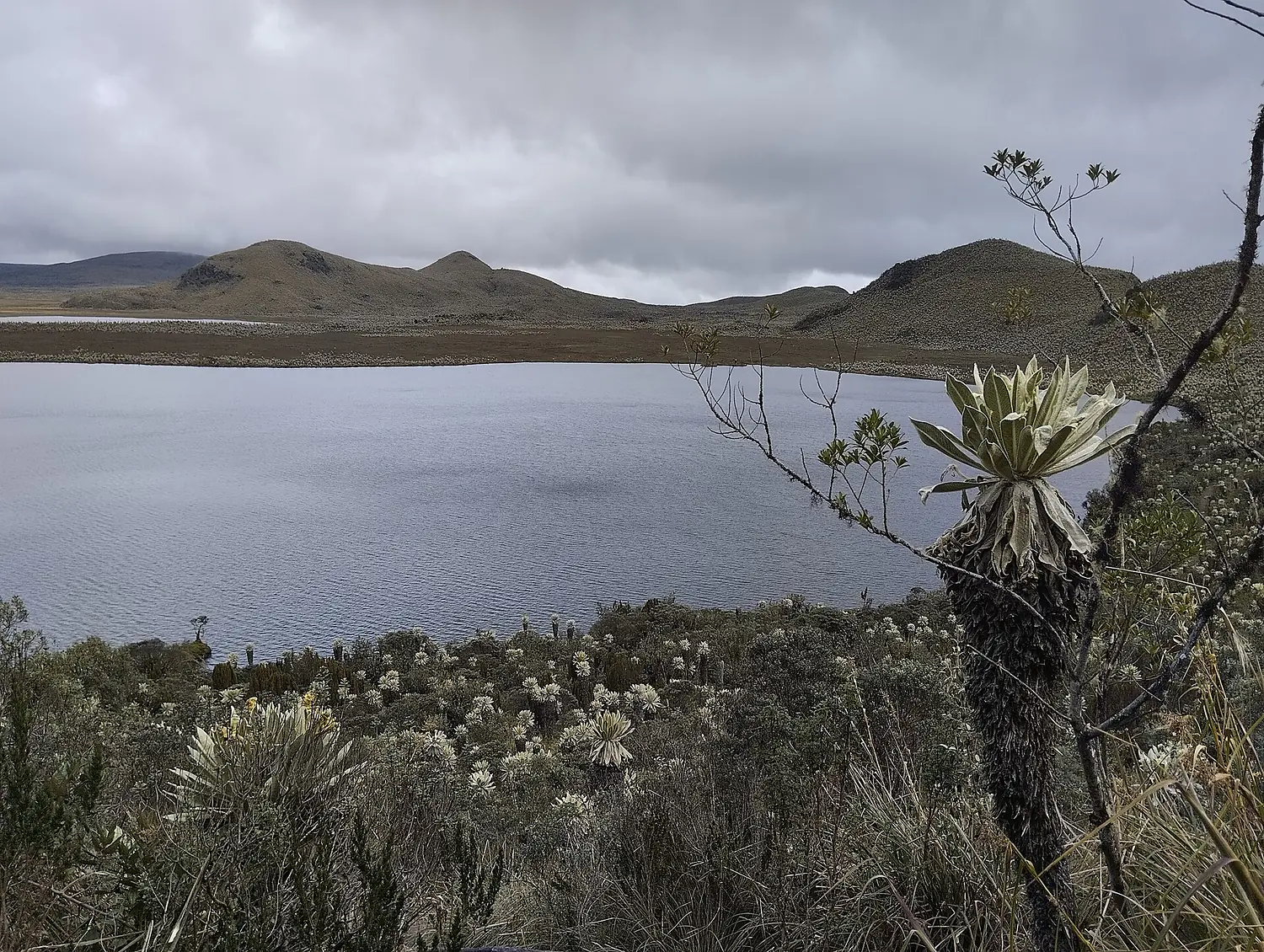
 Ecuador Ramsar wetland
El Ángel Ecological Reserve
94 bird species recorded; the most in July.
TupakAmaruIshkay · CC BY-SA 4.0
This month here
42 species in January.23 species in February.29 species in March.8 species in April.53 species in May.52 species in June.67 species in July.60 species in August.7 species in September.25 species in October.33 species in November.30 species in December.
The birds you are most likely to see in the month you choose, those that come for the season first. It opens on today's month.
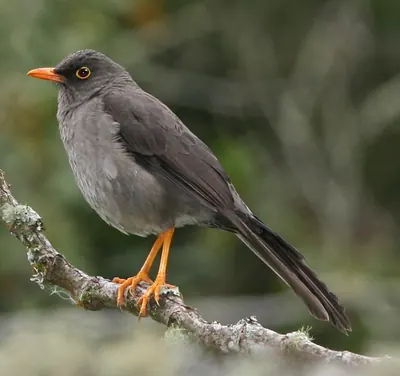
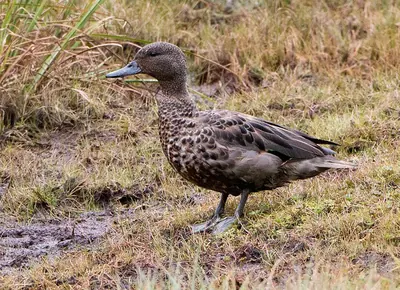
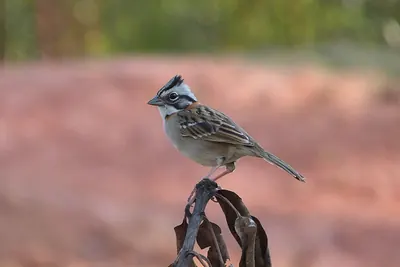
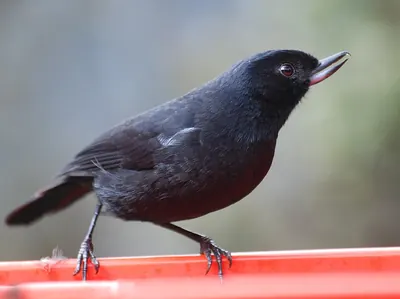
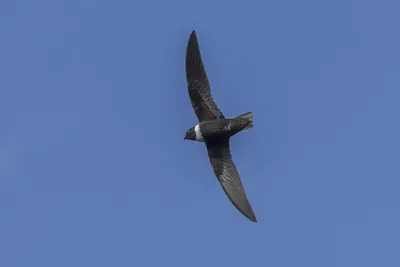
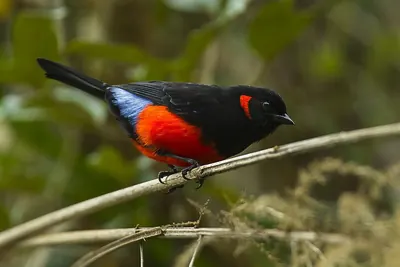
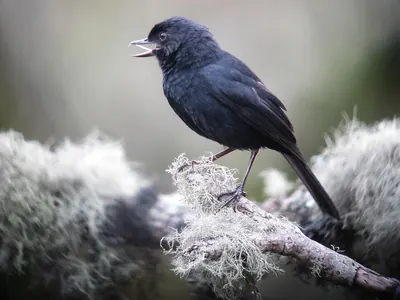
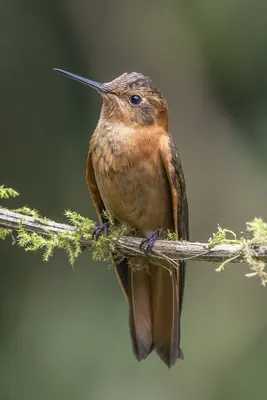
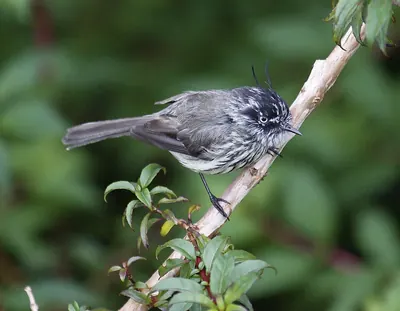
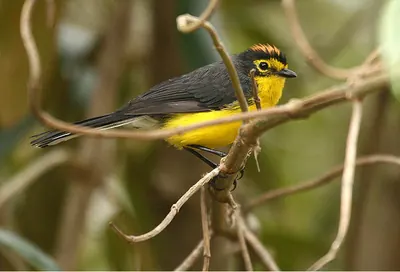
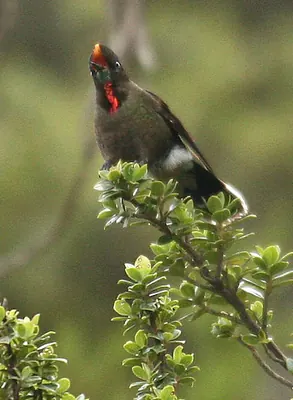
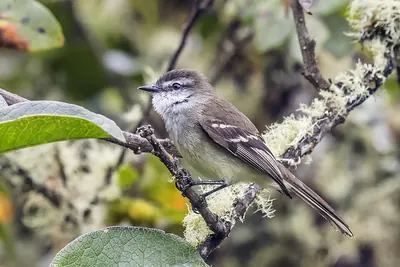
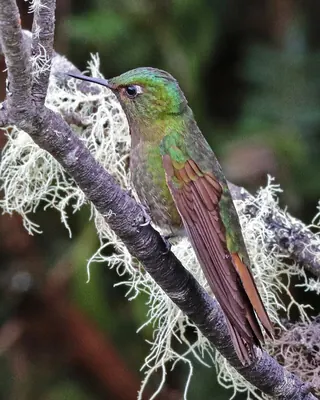
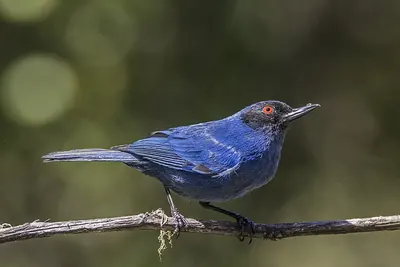
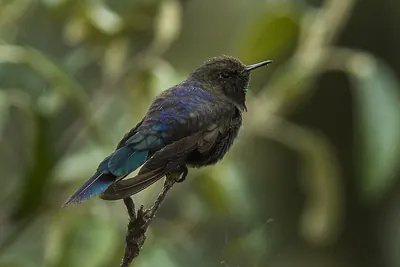
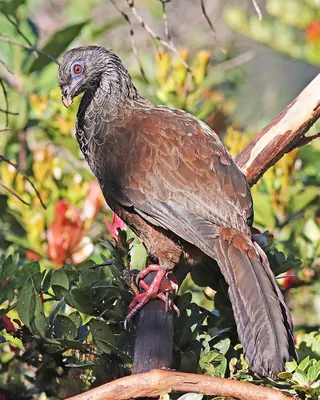
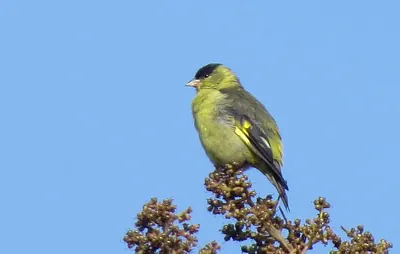
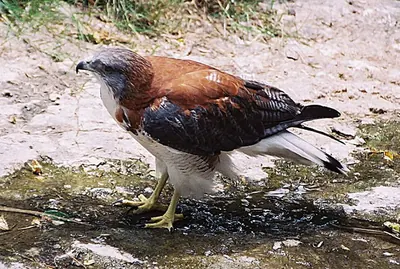
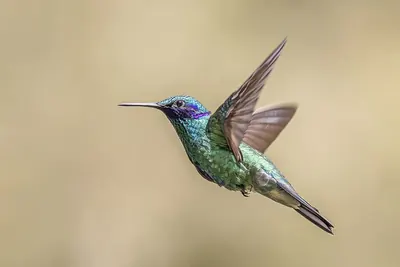
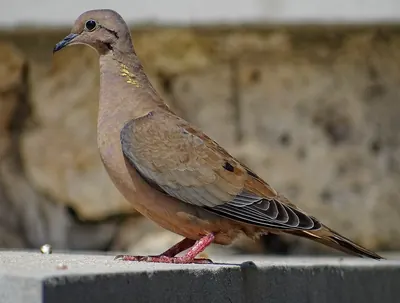
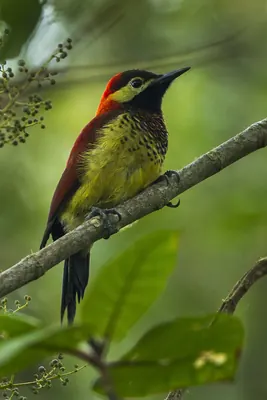
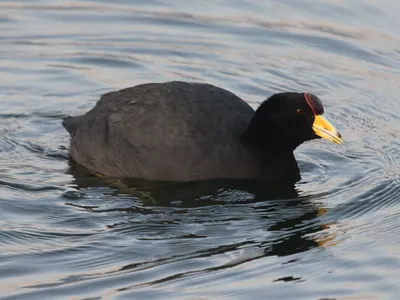
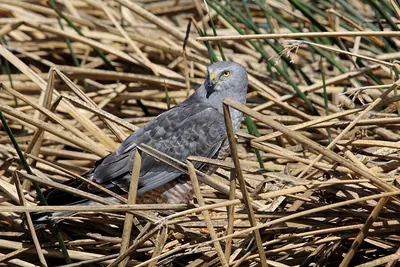
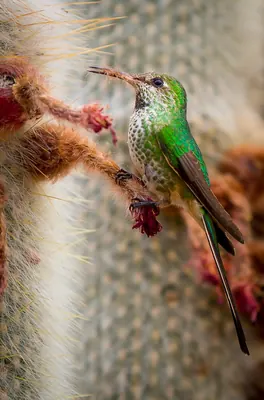
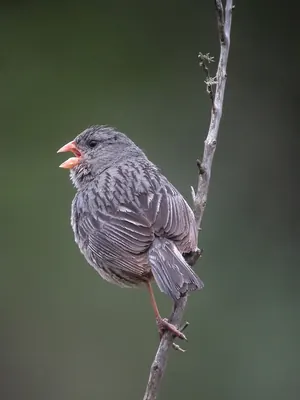
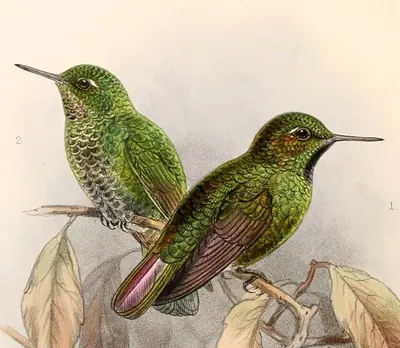
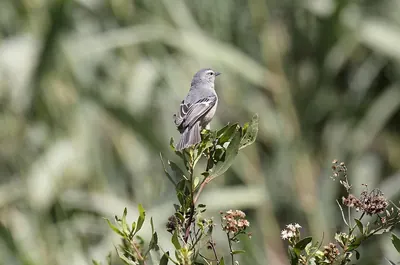
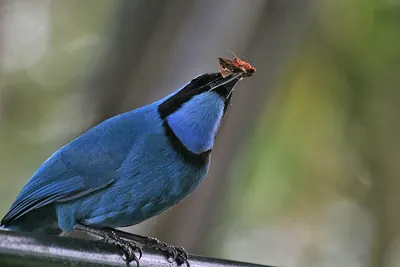
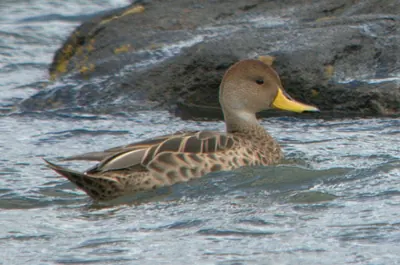
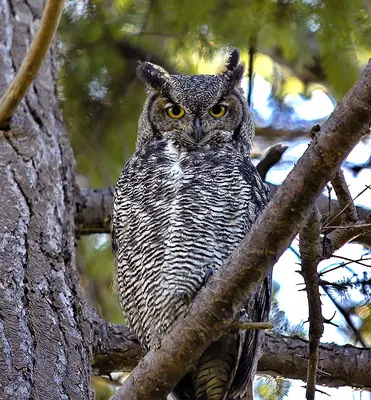
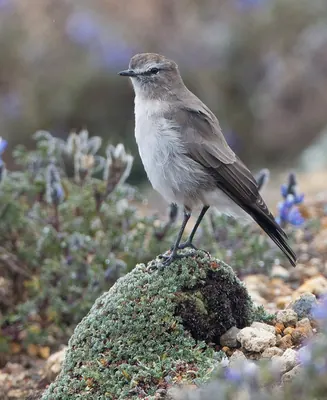
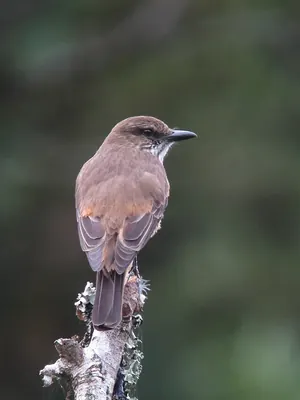
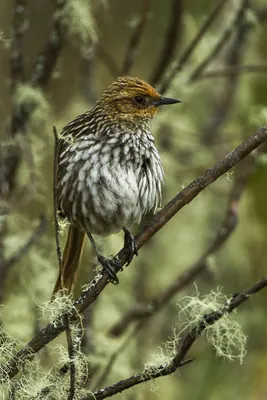
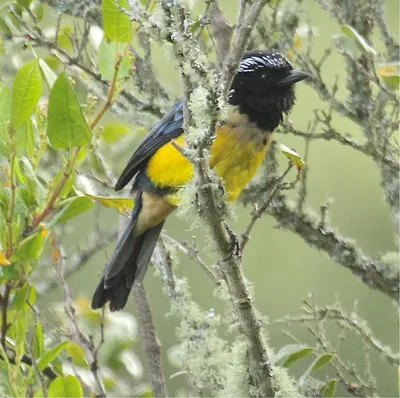
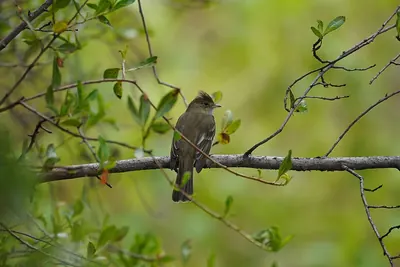
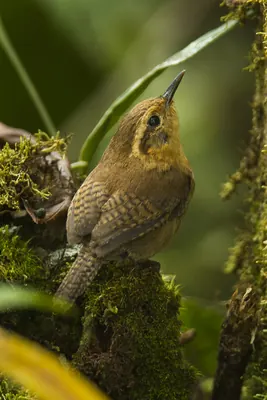
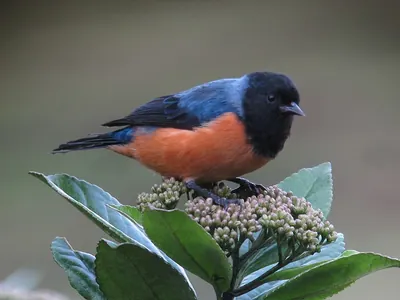
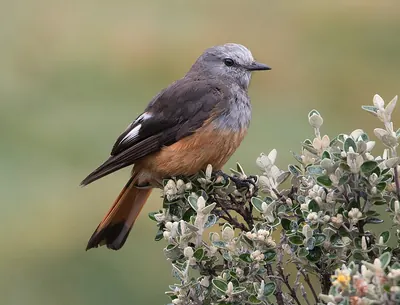
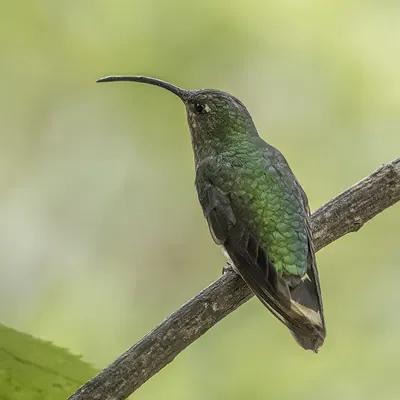
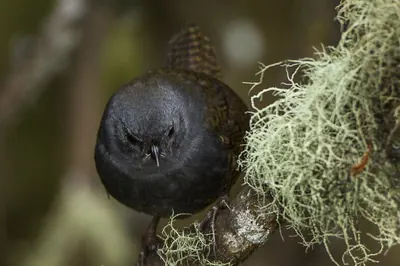
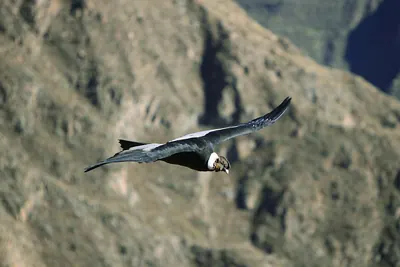 VU
VU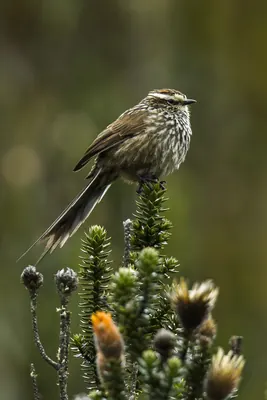 VU
VU- Resident all year
- Summer visitor comes to breed
- Winter visitor comes for the winter
- Passage migrant in spring and autumn
In numbers
94 species, counted.
Our own rating, from the records only: species (50 points), threatened species (20), migrants (20) and protected status — Ramsar, IBA, SPA, observatory (10).
- 94Speciesrecorded more than once
- 27Migrantssummer, winter or passage visitors
- 1ThreatenedVulnerable, Endangered or Critically Endangered (IUCN)
- 1,081Recordsopen records within 6 km
- 3,808 mAltitudeabove the sea
- 10Raptors
- 2Owls
- 2Waders
- 3Ducks & geese
- 1Herons, ibises & grebes
- 52Songbirds
- 24Other birds
From open records (eBird and others, through GBIF, licensed for any use). More birdwatchers mean more records: a quiet place may have more birds than it shows.
The checklist
All 94 species.
By group, with the year in twelve cells: the darker the cell, the more often the bird is recorded that month.
Raptors10 species
- Buteo polyosomaButeo polyosoma
- Andean CondorVultur gryphusVU
- Falco sparveriusFalco sparverius
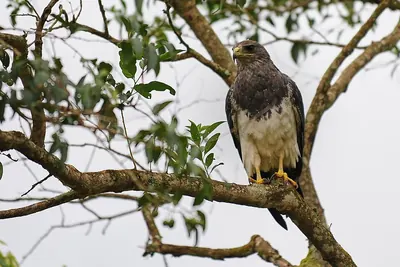
- Black-chested Buzzard-EagleGeranoaetus melanoleucus
- Black VultureCoragyps atratus
- Cinereous HarrierCircus cinereus
- Accipiter striatusAccipiter striatus
- Turkey VultureCathartes aura
- Isidor's EagleSpizaetus isidori
- Roadside HawkRupornis magnirostris
Owls2 species
- Great Horned OwlBubo virginianus
- Rufous-banded OwlStrix albitarsis
Waders2 species
- Andean SnipeGallinago jamesoni
- Rufous-bellied SeedsnipeAttagis gayi
Ducks & geese3 species
- Andean TealAnas andium
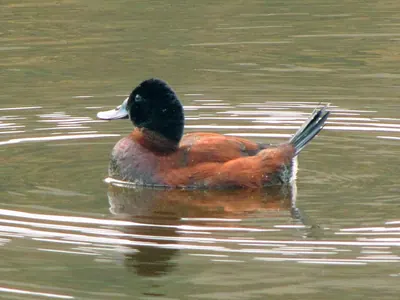
- Andean DuckOxyura ferruginea
- Yellow-billed PintailAnas georgica
Herons, ibises & grebes1 species
- Southern Silvery GrebePodiceps occipitalis
Songbirds52 species
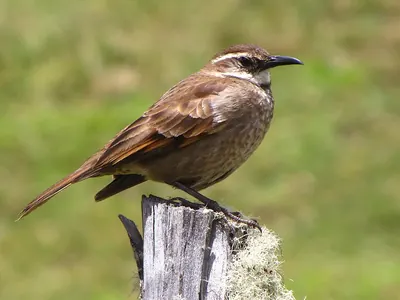
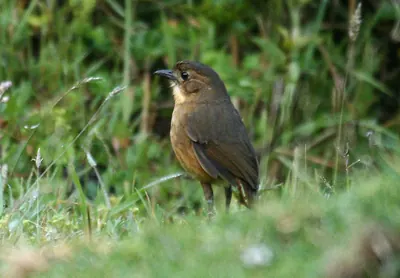
- Tawny AntpittaGrallaria quitensis
- Great ThrushTurdus fuscater
- Scarlet-bellied Mountain-TanagerAnisognathus igniventris
- Rufous-collared SparrowZonotrichia capensis
- Black FlowerpiercerDiglossa humeralis
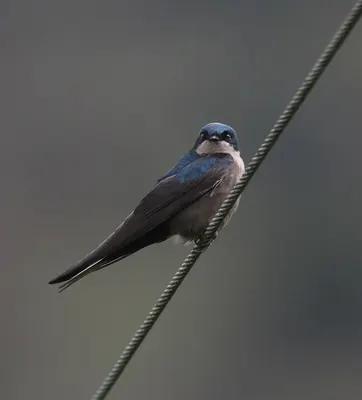
- Brown-bellied SwallowNotiochelidon murina
- Cinclodes albidiventrisCinclodes albidiventris
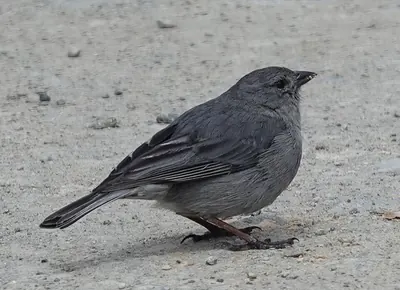
- Plumbeous Sierra FinchGeospizopsis unicolor
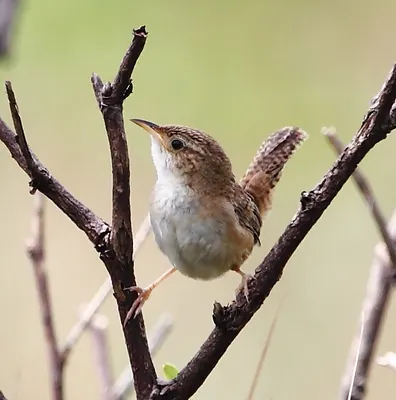
- Grass WrenCistothorus platensis
- Andean SiskinSpinus spinescens
- Ochthoeca fumicolorOchthoeca fumicolor
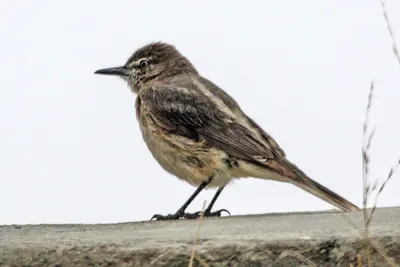
- Paramo Ground TyrantMuscisaxicola alpinus
- Spectacled RedstartMyioborus melanocephalus
- Glossy Flower-piercerDiglossa lafresnayii
- Plain-coloured SeedeaterCatamenia inornata
- Many-striped CanasteroAsthenes flammulata
- Stout-billed CinclodesCinclodes excelsior
- Masked Flower-piercerDiglossa cyanea
- Tufted Tit-tyrantAnairetes parulus
- Paramo TapaculoScytalopus opacus
- White-throated TyrannuletMecocerculus leucophrys
- Schizoeaca fuliginosaSchizoeaca fuliginosa
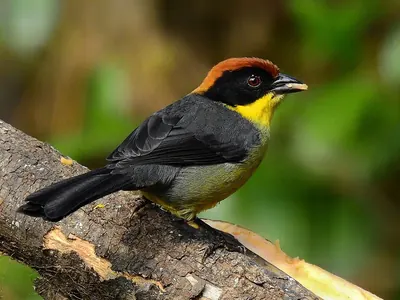
- Yellow-breasted Brush-FinchAtlapetes latinuchus
- Red-crested CotingaAmpelion rubrocristatus
- Blackish TapaculoScytalopus latrans
- Myiothlypis nigrocristataMyiothlypis nigrocristata
- Red-rumped Bush-tyrantCnemarchus erythropygius
- White-browed SpinetailHellmayrea gularis
- Blue-and-white SwallowNotiochelidon cyanoleuca
- Paramo PipitAnthus bogotensis
- Cinereous ConebillConirostrum cinereum
- Grallaria saturataGrallaria saturata
- Turquoise JayCyanolyca turcosa
- Streak-throated Bush-TyrantMyiotheretes striaticollis
- Buff-breasted Mountain-tanagerDubusia taeniata
- White-crested ElaeniaElaenia albiceps
- Mountain WrenTroglodytes solstitialis
- Yellow-bellied Chat-tyrantOchthoeca diadema
- Carib GrackleQuiscalus lugubris
- Andean Tit-SpinetailLeptasthenura andicola
- Hooded SiskinSpinus magellanicus
- Synallaxis azaraeSynallaxis azarae
- Crowned Chat-TyrantOchthoeca frontalis
- Black-billed Shrike-tyrantAgriornis montanus
- White-banded TyrannuletMecocerculus stictopterus
- Blue-backed ConebillConirostrum sitticolor
- White-sided FlowerpiercerDiglossa albilatera
- Grey-browed BrushfinchArremon assimilis
- Rufous-breasted Chat-TyrantOchthoeca rufipectoralis
- Pearled TreerunnerMargarornis squamiger
- Three-striped WarblerBasileuterus tristriatus
- Glossy-black ThrushTurdus serranus
Other birds24 species
- Black-tailed TrainbearerLesbia victoriae
- Shining SunbeamAglaeactis cupripennis
- Rainbow-bearded ThornbillChalcostigma herrani
- Viridian MetaltailMetallura williami
- Tyrian MetaltailMetallura tyrianthina
- Sparkling Violet-earColibri coruscans
- Blue-mantled ThornbillChalcostigma stanleyi
- Eared DoveZenaida auriculata
- Golden-breasted PufflegEriocnemis mosquera
- Purple-backed ThornbillRamphomicron microrhynchum
- Crimson-mantled WoodpeckerColaptes rivolii
- Great SapphirewingPterophanes cyanopterus
- Sword-billed HummingbirdEnsifera ensifera
- Andean GuanPenelope montagnii
- Band-tailed PigeonPatagioenas fasciata
- Mountain VelvetbreastLafresnaya lafresnayi
- Ecuadorian HillstarOreotrochilus chimborazo
- White-collared SwiftStreptoprocne zonaris
- Rock DoveColumba livia
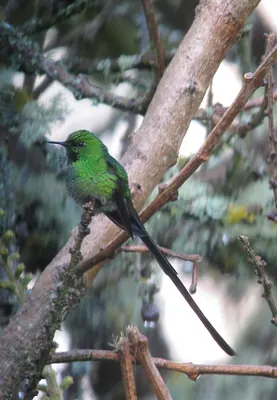
- Green-tailed TrainbearerLesbia nuna
- Black-thighed PufflegEriocnemis derbyi
- Slate-colored CootFulica ardesiaca
- Giant HummingbirdPatagona gigas
- Sapphire-vented PufflegEriocnemis luciani
Monthly presence relative to all bird records that month, so a busy month does not inflate every species.
When to go
The most species in July.
Species recorded in each month, with the usual temperature and rain.
- Jan22°/13°94 mm
- Feb22°/13°94 mm
- Mar22°/14°117 mm
- Apr22°/14°133 mm
- May23°/13°100 mm
- Jun23°/12°56 mm
- Jul24°/12°36 mm
- Aug24°/12°23 mm
- Sep24°/12°36 mm
- Oct23°/13°80 mm
- Nov22°/13°103 mm
- Dec22°/13°95 mm
- Bar: species recorded that month.
- Temperature: average maximum / minimum (NASA, 1991–2020).
- Rain: monthly total.
The place
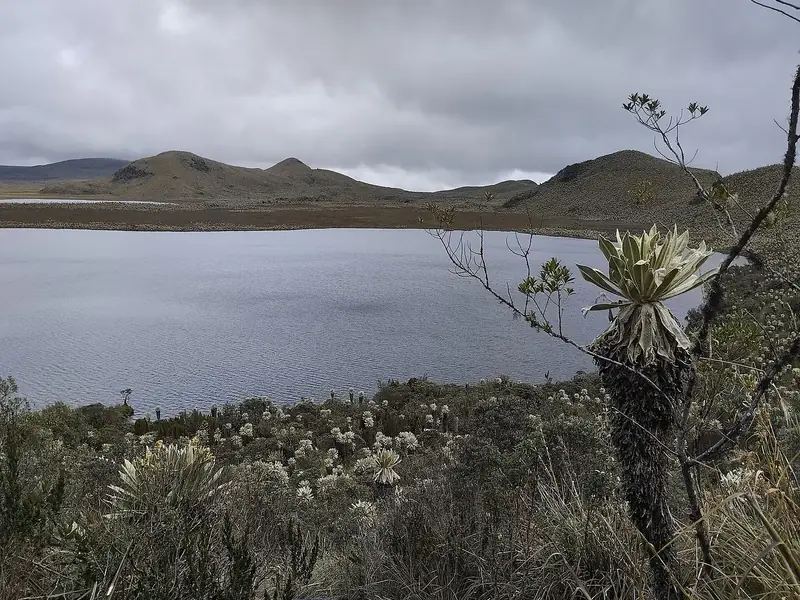
El Ángel Ecological Reserve.
Nature reserve in Ecuador
El Ángel Ecological Reserve is a wetland of international importance (Ramsar) in Ecuador, 3,808 m above the sea.
94 bird species have been recorded here more than once, in 1,081 open records.
The most recorded are the Tawny Antpitta, the Great Thrush and the Scarlet-bellied Mountain-Tanager.
17 species come for the summer, 9 for the winter and 1 only pass through.
1 are threatened worldwide, including Andean Condor.
The most species are recorded in July.
Get there and watch
- Campingcampsite · 7.2 km · 2 within 10 km
- Refugioplace to stay · 6.9 km · 4 within 10 km
- La Libertadnearest town · 12 km in a straight line
- Lieutenant Colonel Luis A. Mantilla International Airport (TUA)nearest airport with scheduled flights · 23 km in a straight lineCar hire at UIO airport (Quito)Discover Cars · sponsored link↗
Plan the visit
A guided walk, a bed nearby, a car.
Some links above are affiliate links: if you book through them we may earn a commission, at no extra cost to you. It never changes what the data on this page says.
From above
The place and its surroundings.
The satellite image of the 6 × 6 km around the place, with the bird hides, towers and trails that OpenStreetMap shows.

Around, in OpenStreetMap
- 2campsites within 10 kmCamping
- 4places to stay within 10 kmRefugio, Refugio del Voladero, Polylepis Lodge and 1 more
- bird hides within 6 km
- observation towers within 6 km
- marked trails within 4 km
- visitor centres within 6 km
- viewpoints within 5 km
- car parks within 3 km
- restaurants and cafés within 3 km
Counted in OpenStreetMap, the map anyone can edit. A low number may just mean nobody has mapped it yet.
In our other atlases
Around El Ángel Ecological Reserve.
The lakes, beaches, islands, rivers and mountains around this place, and its night sky, in the family's atlases.
 Peakyas20 mountains within 25 km
 Lakeyas1 lakes within 15 km
Figures from the sister sites' databases (Wikidata, HydroATLAS, GeoNames, OpenStreetMap). Links open when each site is online.
Photographs
The place, as people saw it.
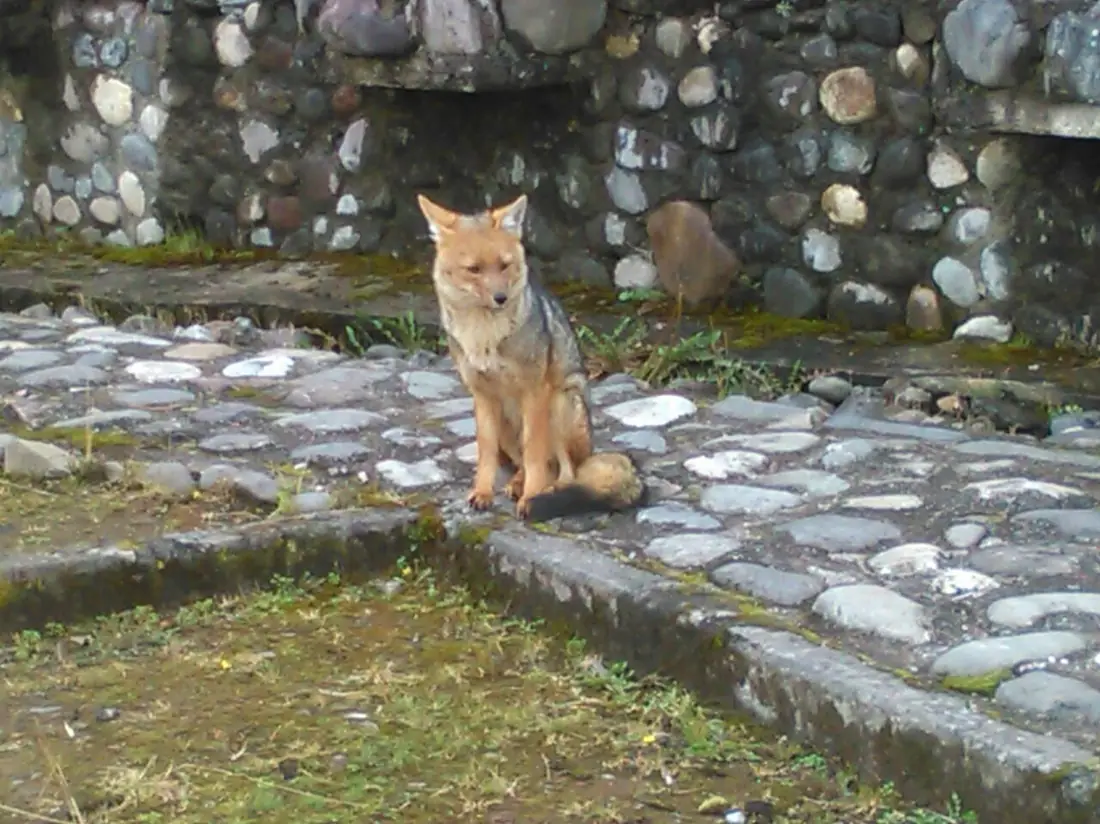
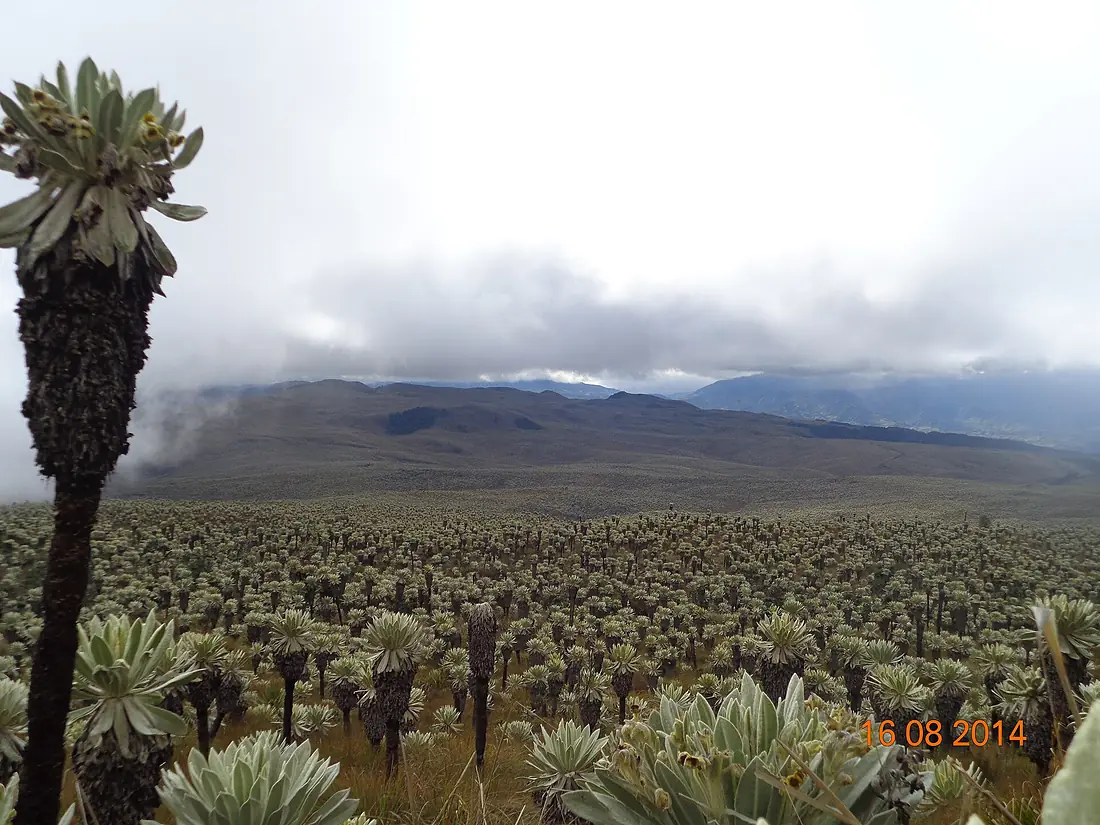
Other places nearby.
El Ángel Ecological Reserve
Ecuador
- 47Birdyas Score
- 94Species
- 27Migrants
- 1Threatened
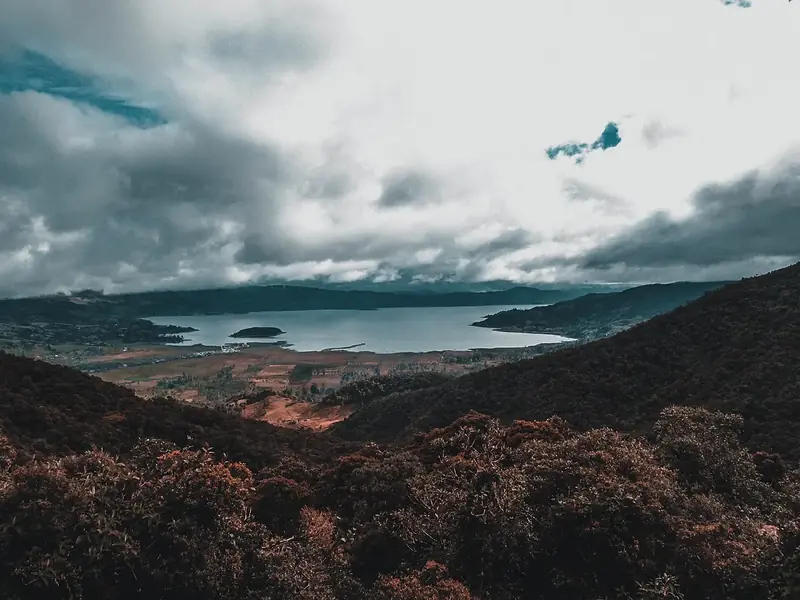
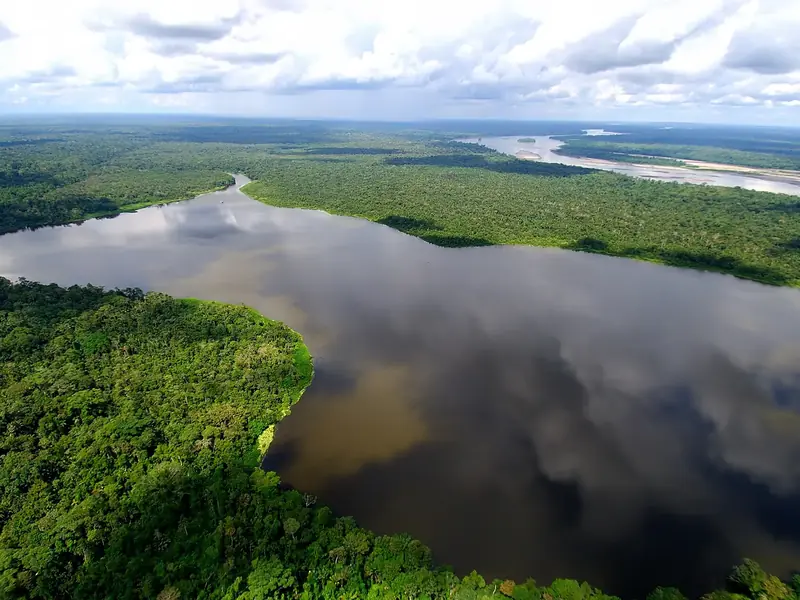
Limoncocha National Biological Reserve
Ecuador · 194 km
- 85Birdyas Score
- 574Species
- 117Migrants
- 6Threatened
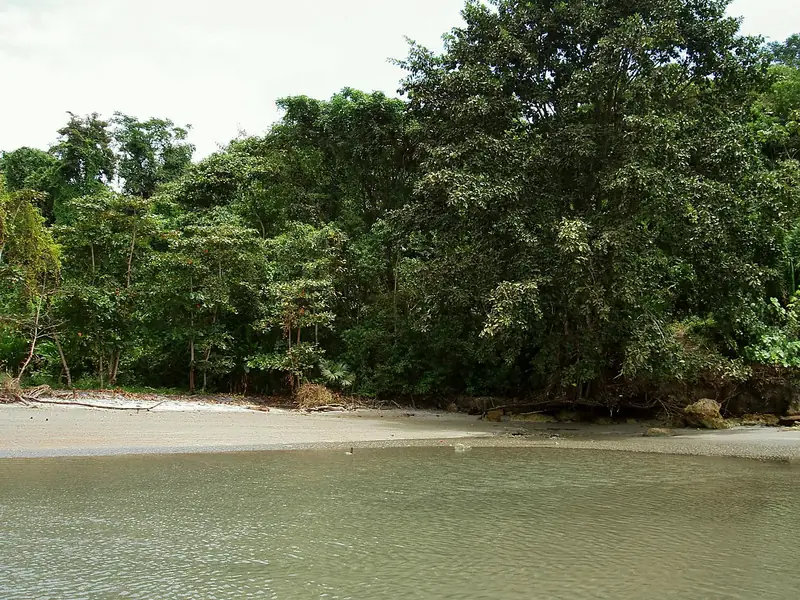
Manglares Cayapas-Mataje Ecological Reserve
Ecuador · 127 km
- 36Birdyas Score
- 45Species
- 11Migrants
- 0Threatened
Where these figures come from
| Name and type | Wikidata (Q4744162) · CC0 |
|---|---|
| Birds | 1,081 open bird records within 6 km (GBIF, CC0 and CC BY 4.0 only; mostly eBird, Cornell Lab of Ornithology) |
| See these records | gbif.org |
| Species | GBIF Backbone Taxonomy · CC BY 4.0; Wikidata (CC0); Wikimedia Commons |
| Altitude | Copernicus DEM GLO-30 · © DLR e.V., © Airbus Defence and Space GmbH, Copernicus/ESA |
| Temperature and rain | NASA POWER (CERES SYN1deg, 2001–2020; MERRA-2) |
| What is around | © OpenStreetMap contributors · ODbL |
| Images | EOX Sentinel-2 cloudless 2016 · CC BY 4.0; Wikimedia Commons |
| Sister atlases | Peakyas, Lakeyas |
Every figure is an average, an estimate or a count from a public dataset. Licences and methods: data sources.
The family
Do you prefer beaches, lakes, mountains, waterfalls, islands, rivers, canyons, caves, dark skies, viewpoints, birdwatching or forests?
Same idea, other landscapes: field atlases built on open data, in seven languages.
 beaches
 Find your beach: sea temperature, sun and swimming month by month.Visit lakes
 Every lake on Earth: water temperature, ice, depth and the shore.Visit mountains
 Every summit in 3D: summit weather, the 0 °C line, huts and trails.Visit
  waterfalls
 Every waterfall: height, flow month by month and when it roars.Visit
  islands
 Every island from the sea up: size, sea temperature, ferries and 3D.Visit
  rivers
 Every river from source to sea: the journey, the flow and the basin in numbers.Visit
  canyons
 Every canyon cut to scale: depth to the floor, rim and floor temperatures, trails and viewpoints.Visit
  caves
caves Every cave with its real depth and length: the rock above, the temperature inside all year, and how to visit.Visit
  dark skies
 Where the night is still dark: the sky of every place, the Milky Way month by month, the Moon, eclipses and auroras.Visit
  viewpoints
 Every viewpoint with its real 360° panorama: the peaks you can name, how far you see and where the sun sets.Coming soonVisit
  birdwatching
 Every bird sanctuary and wetland with the species recorded month by month: who is resident, who comes for the summer, who only passes through.You are here
 forests
 Every forest with its land-cover rings, what grows and lives in it, and the best months to walk it.Coming soonVisit