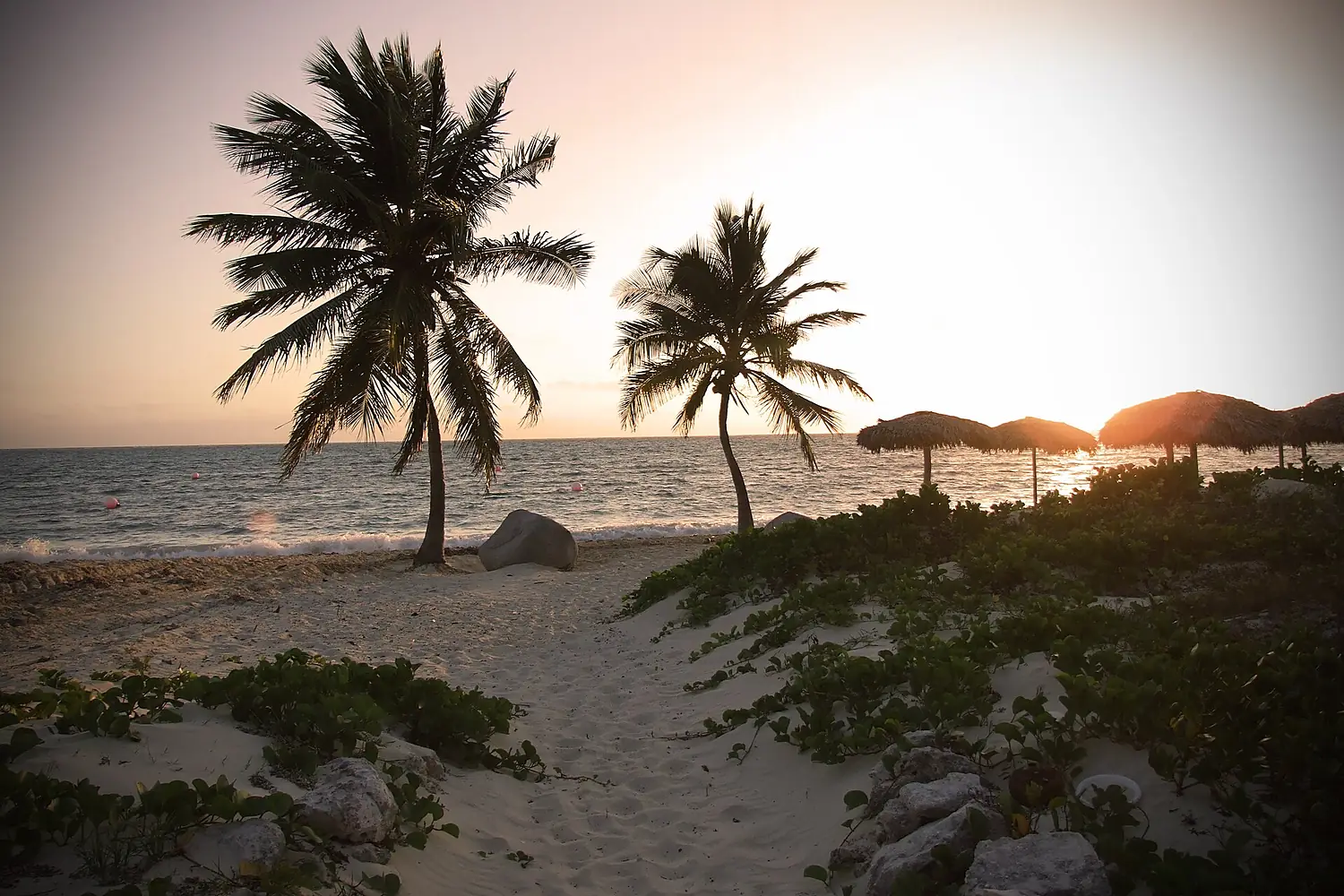
 Cuba Ramsar wetland
Bay of Buena Vista
81 bird species recorded; the most in February.
Aaron Escobar · CC BY 3.0
This month here
42 species in January.60 species in February.30 species in March.39 species in April.13 species in May.25 species in June.8 species in July.2 species in August.28 species in September.44 species in October.1 species in November.0 species in December.
The birds you are most likely to see in the month you choose, those that come for the season first. It opens on today's month.
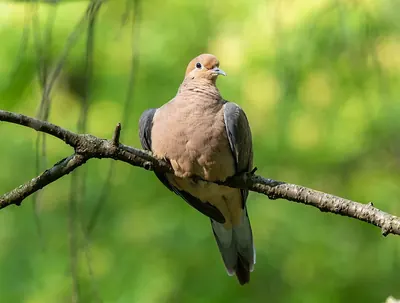
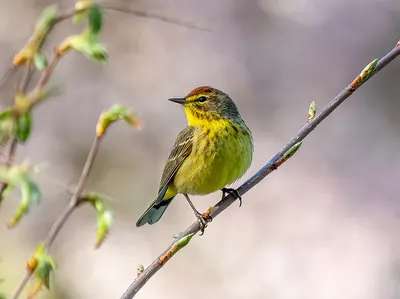
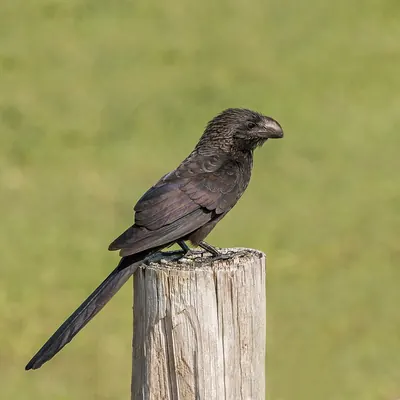
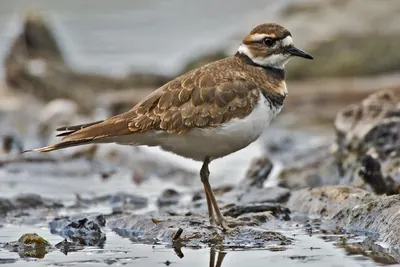 NT
NT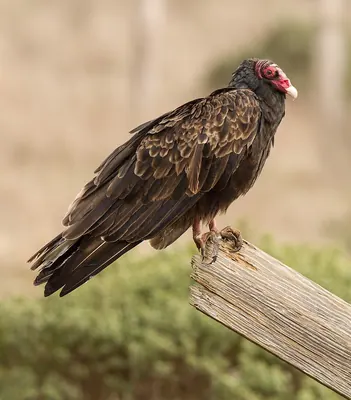
 NT
NT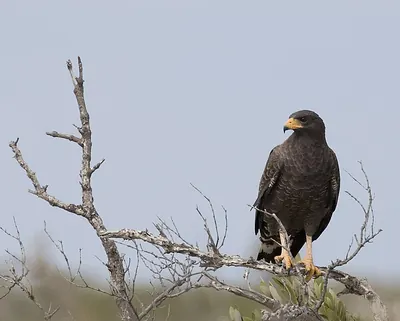 NT
NT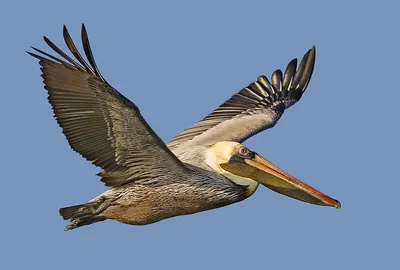
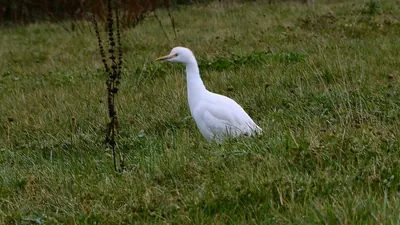
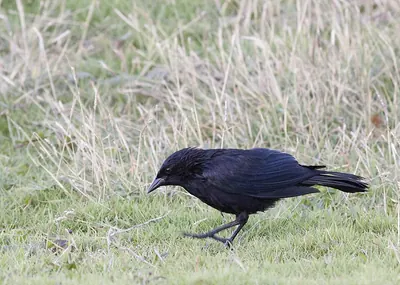 NT
NT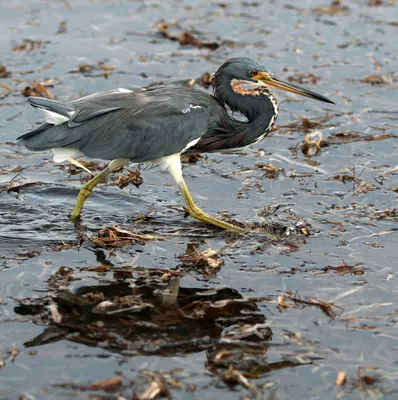
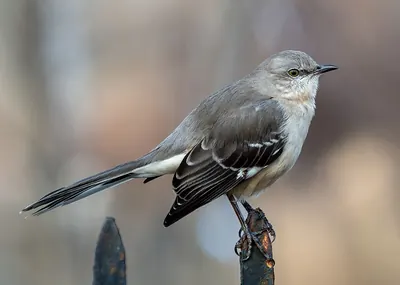
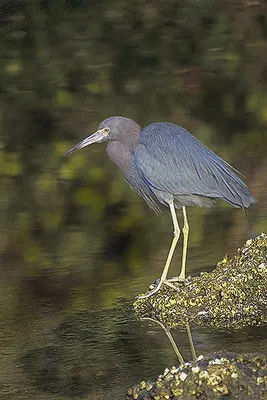
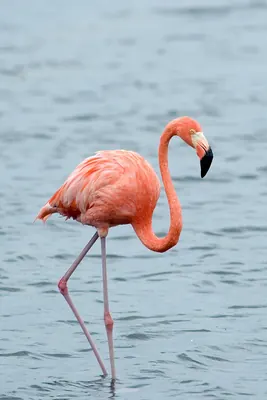
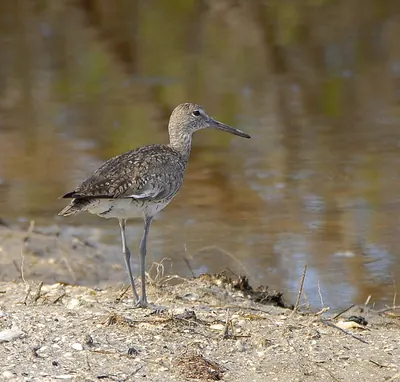 NT
NT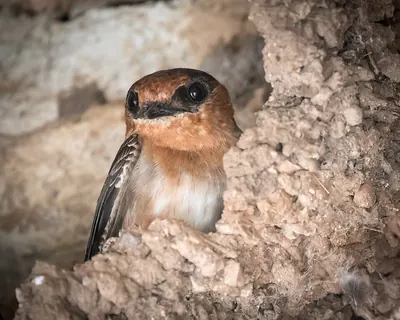
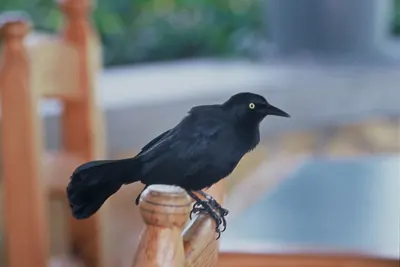
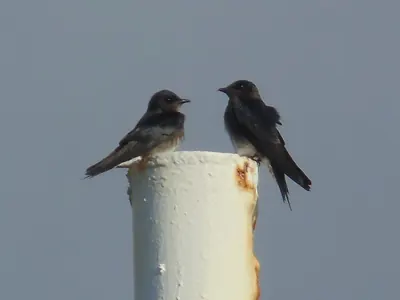
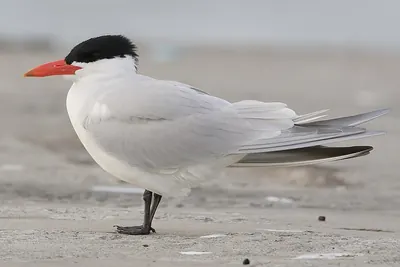
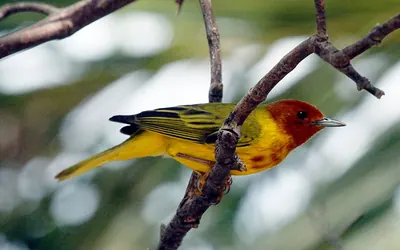 NTNTNTNTNT
No records for this month.
- Resident all year
- Summer visitor comes to breed
- Winter visitor comes for the winter
- Passage migrant in spring and autumn
In numbers
81 species, counted.
Our own rating, from the records only: species (50 points), threatened species (20), migrants (20) and protected status — Ramsar, IBA, SPA, observatory (10).
- 81Speciesrecorded more than once
- 30Migrantssummer, winter or passage visitors
- 1ThreatenedVulnerable, Endangered or Critically Endangered (IUCN)
- 787Recordsopen records within 15 km
- 6Raptors
- 7Waders
- 8Gulls & seabirds
- 1Ducks & geese
- 16Herons, ibises & grebes
- 1Flamingos
- 29Songbirds
- 13Other birds
From open records (eBird and others, through GBIF, licensed for any use). More birdwatchers mean more records: a quiet place may have more birds than it shows.
The checklist
All 81 species.
By group, with the year in twelve cells: the darker the cell, the more often the bird is recorded that month.
Raptors6 species
- Turkey VultureCathartes aura
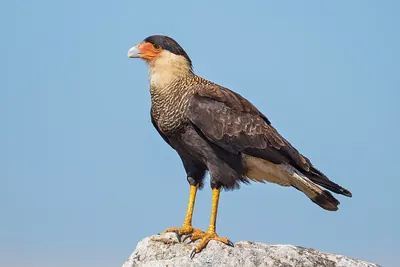
- Crested CaracaraCaracara plancus
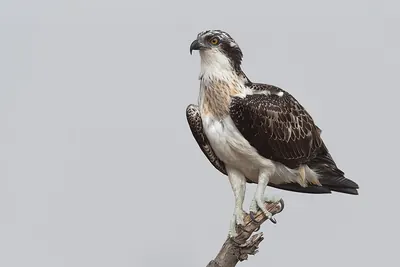
- OspreyPandion haliaetus
- Cuban black hawkButeogallus gundlachiiNT
- Falco sparveriusFalco sparverius
- Hen HarrierCircus cyaneus
Waders7 species
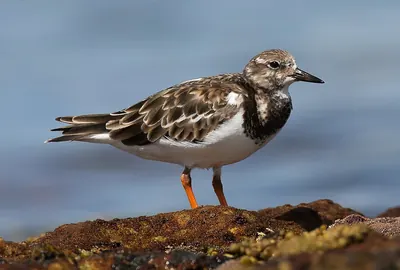
- Ruddy TurnstoneArenaria interpresNT
- KilldeerCharadrius vociferusNT
- Spotted SandpiperActitis macularius
- WilletTringa semipalmata
- Grey PloverPluvialis squatarolaVU
- Semipalmated SandpiperCalidris pusillaNT
- Black-necked StiltHimantopus mexicanus
Gulls & seabirds8 species
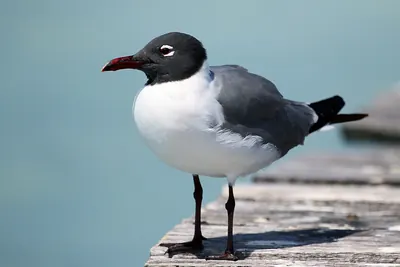
- Laughing GullLeucophaeus atricilla
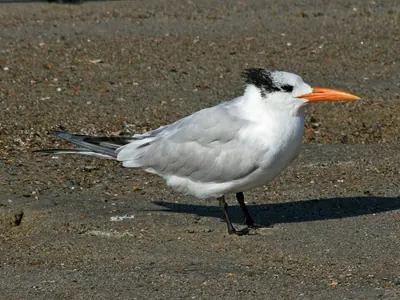
- Royal TernThalasseus maximus
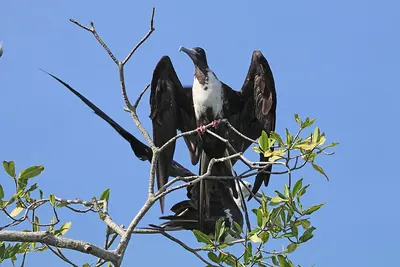
- Magnificent FrigatebirdFregata magnificens
- Ring-billed GullLarus delawarensis
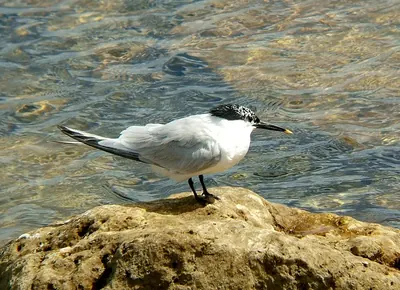
- Sandwich TernThalasseus sandvicensis
- Caspian TernHydroprogne caspia
- American Herring GullLarus smithsonianus
- Least TernSternula antillarum
Ducks & geese1 species
- Blue-winged TealSpatula discors
Herons, ibises & grebes16 species
- Double-crested CormorantPhalacrocorax auritus
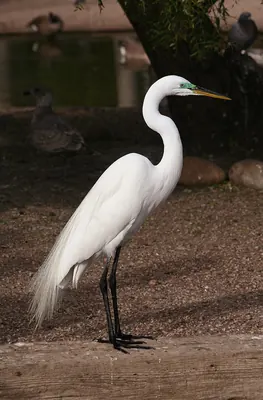
- Great White EgretArdea alba
- Western Cattle EgretBubulcus ibis
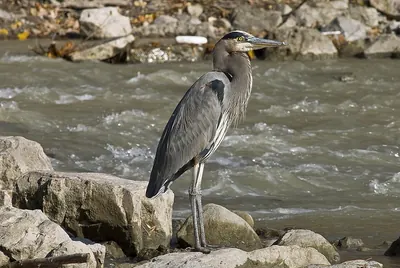
- Great Blue HeronArdea herodias
- Brown PelicanPelecanus occidentalis
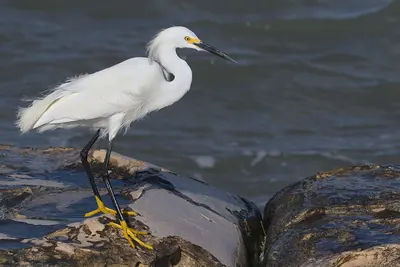
- Snowy EgretEgretta thula
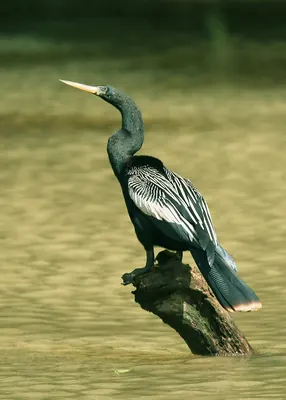
- AnhingaAnhinga anhinga
- Little Blue HeronEgretta caerulea
- Tricolored HeronEgretta tricolor
- Phalacrocorax brasilianusPhalacrocorax brasilianus
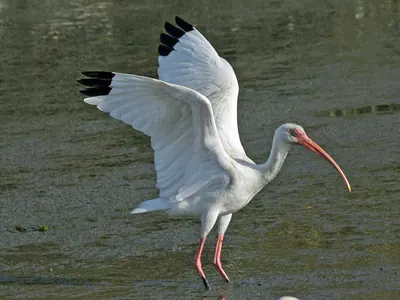
- White IbisEudocimus albus
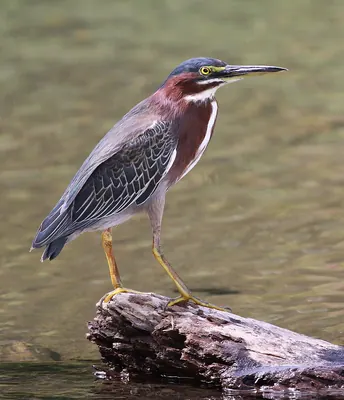
- Green HeronButorides virescens
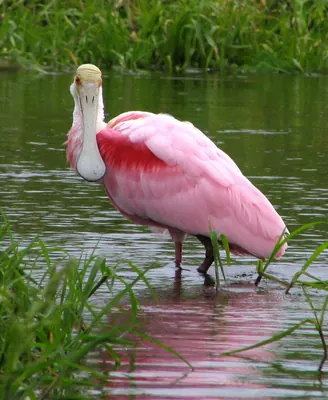
- Roseate SpoonbillPlatalea ajaja
- Reddish EgretEgretta rufescensNT
- Glossy IbisPlegadis falcinellus
- Black-crowned Night-HeronNycticorax nycticorax
Flamingos1 species
- Caribbean FlamingoPhoenicopterus ruber
Songbirds29 species
- Greater Antillean GrackleQuiscalus niger
- Northern MockingbirdMimus polyglottos
- Cuban BlackbirdDives atroviolaceus
- Palm WarblerSetophaga palmarum
- House SparrowPasser domesticus
- Cuban MartinProgne cryptoleuca
- Cape May WarblerSetophaga tigrina
- Tyrannus caudifasciatusTyrannus caudifasciatus
- Tawny-shouldered BlackbirdAgelaius humeralis
- Cave SwallowPetrochelidon fulva
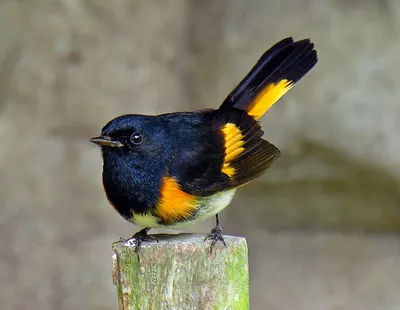
- American RedstartSetophaga ruticilla
- Gray KingbirdTyrannus dominicensis
- Western Red-legged ThrushTurdus plumbeus
- Cuban PeweeContopus caribaeus
- Northern ParulaSetophaga americana
- Prairie WarblerSetophaga discolor
- Yellow-throated WarblerSetophaga dominica
- Black-throated Blue WarblerSetophaga caerulescens
- Mangrove WarblerSetophaga petechia
- Eastern MeadowlarkSturnella magnaNT
- Black-and-white WarblerMniotilta varia
- Northern WaterthrushParkesia noveboracensis
- Barn swallowHirundo rustica
- La Sagra's FlycatcherMyiarchus sagrae
- Cuban VireoVireo gundlachii
- Western SpindalisSpindalis zena
- Purple MartinProgne subis
- Tree SwallowTachycineta bicolor
- Grey CatbirdDumetella carolinensis
Other birds13 species
- Mourning DoveZenaida macroura
- Riccordia ricordiiRiccordia ricordii
- Rock DoveColumba livia
- Smooth-billed AniCrotophaga ani
- Common Ground-DoveColumbina passerina
- Belted KingfisherMegaceryle alcyon
- Antillean Palm-swiftTachornis phoenicobia
- Eurasian Collared DoveStreptopelia decaocto
- LimpkinAramus guarauna
- Cuban Green WoodpeckerXiphidiopicus percussus
- White-winged DoveZenaida asiatica
- Saurothera merliniSaurothera merlini
- Purple GallinulePorphyrio martinica
Monthly presence relative to all bird records that month, so a busy month does not inflate every species.
When to go
The most species in February.
Species recorded in each month, with the usual temperature and rain.
- Jan26°/20°16 mm
- Feb27°/21°20 mm
- Mar28°/21°24 mm
- Apr30°/23°36 mm
- May30°/24°110 mm
- Jun31°/26°95 mm
- Jul31°/26°73 mm
- Aug31°/26°92 mm
- Sep31°/26°102 mm
- Oct30°/25°93 mm
- Nov28°/23°32 mm
- Dec27°/22°20 mm
- Bar: species recorded that month.
- Temperature: average maximum / minimum (NASA, 1991–2020).
- Rain: monthly total.
The place
Bay of Buena Vista.
Geographic landform of Cuba
Bay of Buena Vista is a wetland of international importance (Ramsar) in Cuba.
81 bird species have been recorded here more than once, in 787 open records.
The most recorded are the Turkey Vulture, the Double-crested Cormorant and the Great White Egret.
12 species come for the summer, 16 for the winter and 2 only pass through.
1 are threatened worldwide, including Grey Plover.
The most species are recorded in February.
Get there and watch
- Yaguajaynearest town · 16 km in a straight line
- Abel Santamaria International Airport (SNU)nearest airport with scheduled flights · 80 km in a straight line
Plan the visit
A guided walk, a bed nearby, a car.
Some links above are affiliate links: if you book through them we may earn a commission, at no extra cost to you. It never changes what the data on this page says.
From above
The place and its surroundings.
The satellite image of the 6 × 6 km around the place, with the bird hides, towers and trails that OpenStreetMap shows.
Around, in OpenStreetMap
- bird hides within 6 km
- observation towers within 6 km
- marked trails within 4 km
- visitor centres within 6 km
- viewpoints within 5 km
- car parks within 3 km
- restaurants and cafés within 3 km
- campsites within 10 km
- places to stay within 10 km
Counted in OpenStreetMap, the map anyone can edit. A low number may just mean nobody has mapped it yet.
In our other atlases
Around Bay of Buena Vista.
The lakes, beaches, islands, rivers and mountains around this place, and its night sky, in the family's atlases.
 Peakyas6 mountains within 25 km
 Coastya7 beaches within 10 km
Figures from the sister sites' databases (Wikidata, HydroATLAS, GeoNames, OpenStreetMap). Links open when each site is online.
Other places nearby.
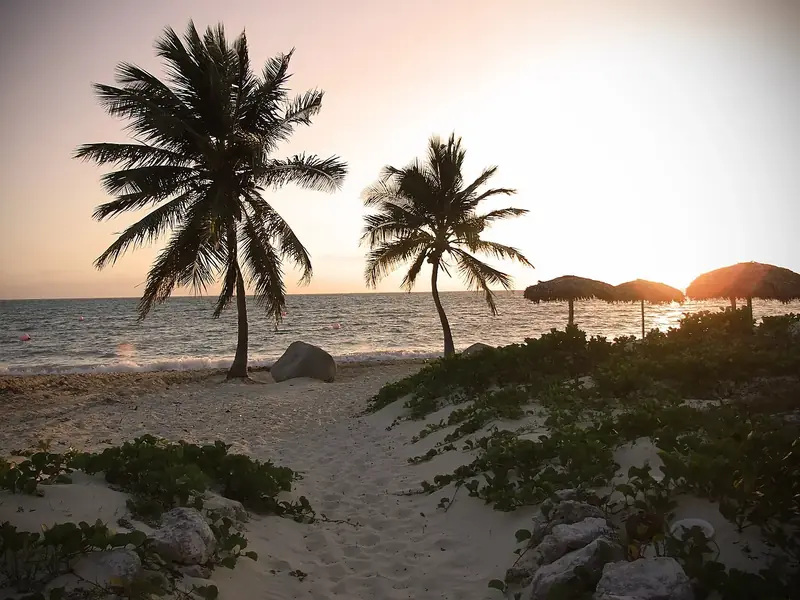
Bay of Buena Vista
Cuba
- 46Birdyas Score
- 81Species
- 30Migrants
- 1Threatened
Everglades National Park
United States · 354 km
- 63Birdyas Score
- 155Species
- 69Migrants
- 3Threatened
Where these figures come from
| Name and type | Wikidata (Q3647956) · CC0 |
|---|---|
| Birds | 787 open bird records within 15 km (GBIF, CC0 and CC BY 4.0 only; mostly eBird, Cornell Lab of Ornithology) |
| See these records | gbif.org |
| Species | GBIF Backbone Taxonomy · CC BY 4.0; Wikidata (CC0); Wikimedia Commons |
| Altitude | Copernicus DEM GLO-30 · © DLR e.V., © Airbus Defence and Space GmbH, Copernicus/ESA |
| Temperature and rain | NASA POWER (CERES SYN1deg, 2001–2020; MERRA-2) |
| What is around | © OpenStreetMap contributors · ODbL |
| Images | EOX Sentinel-2 cloudless 2016 · CC BY 4.0; Wikimedia Commons |
| Sister atlases | Peakyas, Islandyas, Coastya |
Every figure is an average, an estimate or a count from a public dataset. Licences and methods: data sources.
The family
Do you prefer beaches, lakes, mountains, waterfalls, islands, rivers, canyons, caves, dark skies, viewpoints, birdwatching or forests?
Same idea, other landscapes: field atlases built on open data, in seven languages.
beaches Find your beach: sea temperature, sun and swimming month by month.Visit
  lakes
lakes Every lake on Earth: water temperature, ice, depth and the shore.Visit mountains
 Every summit in 3D: summit weather, the 0 °C line, huts and trails.Visit
  waterfalls
 Every waterfall: height, flow month by month and when it roars.Visit
  islands
 Every island from the sea up: size, sea temperature, ferries and 3D.Visit
  rivers
 Every river from source to sea: the journey, the flow and the basin in numbers.Visit
  canyons
 Every canyon cut to scale: depth to the floor, rim and floor temperatures, trails and viewpoints.Visit
  caves
caves Every cave with its real depth and length: the rock above, the temperature inside all year, and how to visit.Visit
  dark skies
 Where the night is still dark: the sky of every place, the Milky Way month by month, the Moon, eclipses and auroras.Visit
  viewpoints
 Every viewpoint with its real 360° panorama: the peaks you can name, how far you see and where the sun sets.Coming soonVisit
  birdwatching
 Every bird sanctuary and wetland with the species recorded month by month: who is resident, who comes for the summer, who only passes through.You are here
 forests
 Every forest with its land-cover rings, what grows and lives in it, and the best months to walk it.Coming soonVisit