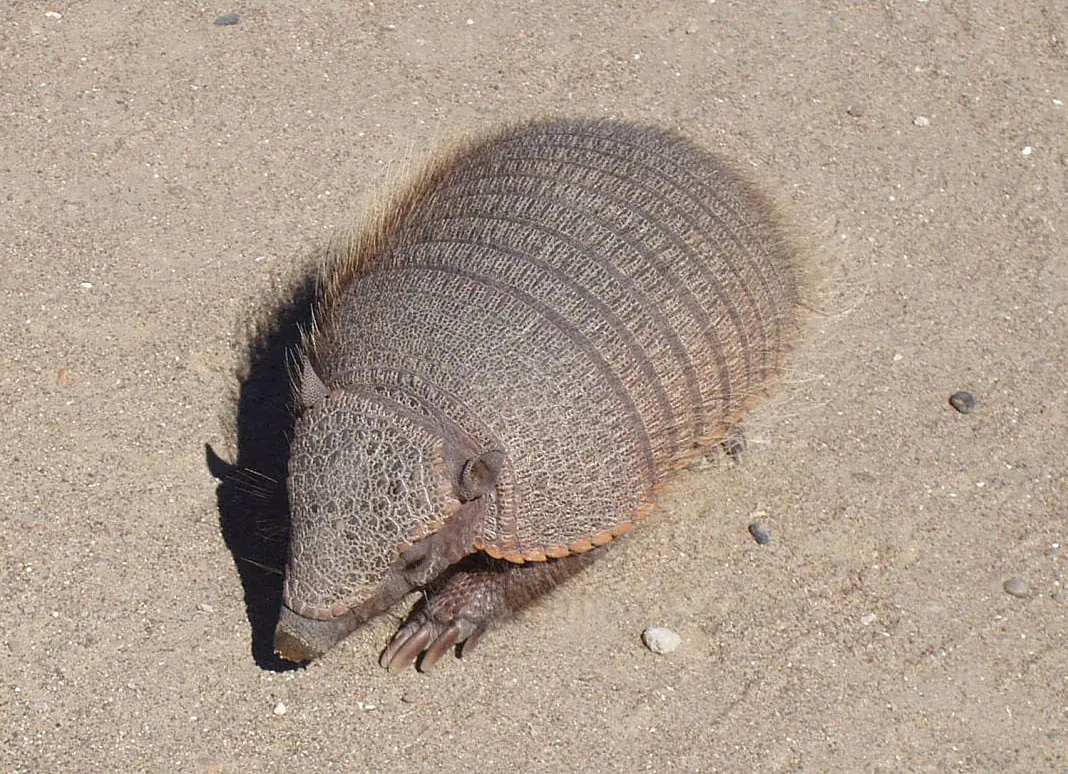
 Argentina Ramsar wetland
Valdes Peninsula
69 bird species recorded; the most from November to December.
Unknown author · CC BY-SA 3.0
This month here
27 species in January.31 species in February.1 species in March.21 species in April.0 species in May.0 species in June.38 species in July.4 species in August.12 species in September.36 species in October.46 species in November.44 species in December.
The birds you are most likely to see in the month you choose, those that come for the season first. It opens on today's month.
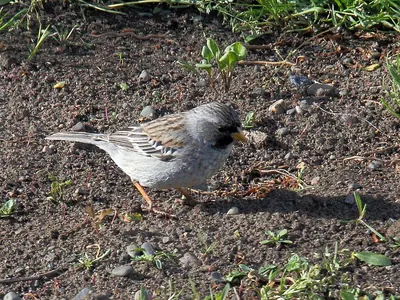
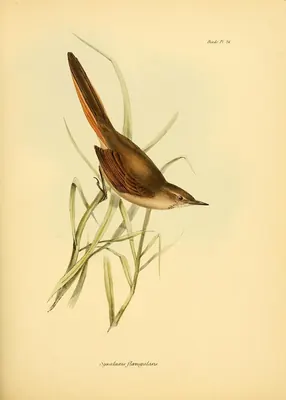
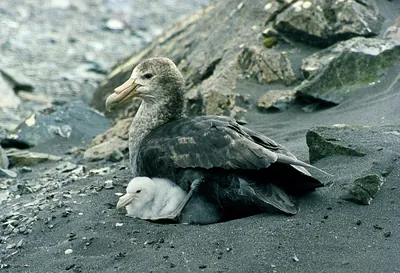
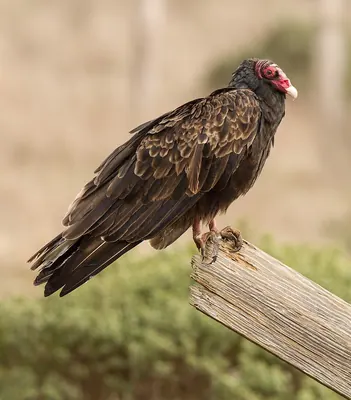
 NT
NT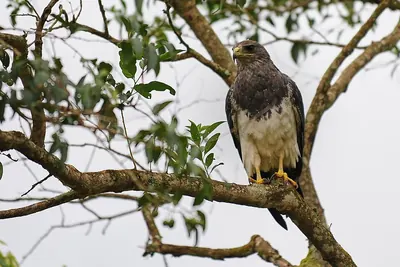
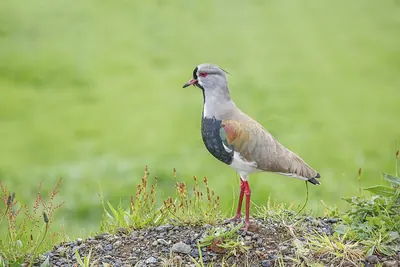
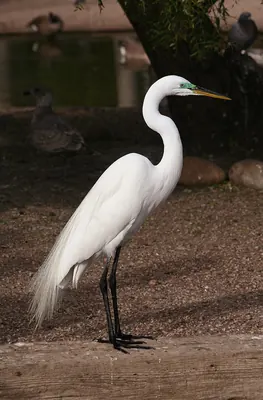
No records for this month.
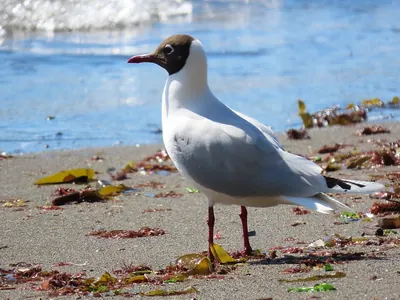
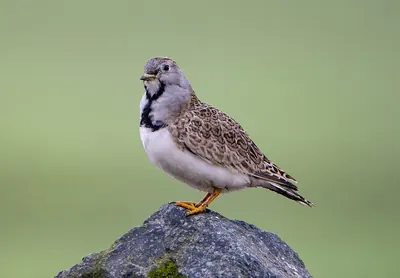 NT
NTNo records for this month.
No records for this month.
NT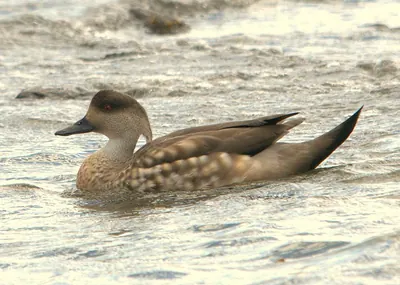
- Resident all year
- Summer visitor comes to breed
- Winter visitor comes for the winter
- Passage migrant in spring and autumn
In numbers
69 species, counted.
Our own rating, from the records only: species (50 points), threatened species (20), migrants (20) and protected status — Ramsar, IBA, SPA, observatory (10).
- 69Speciesrecorded more than once
- 33Migrantssummer, winter or passage visitors
- 3ThreatenedVulnerable, Endangered or Critically Endangered (IUCN)
- 555Recordsopen records within 6 km
- 56 mAltitudeabove the sea
- 6Raptors
- 1Owls
- 9Waders
- 8Gulls & seabirds
- 5Ducks & geese
- 7Herons, ibises & grebes
- 1Flamingos
- 27Songbirds
- 5Other birds
From open records (eBird and others, through GBIF, licensed for any use). More birdwatchers mean more records: a quiet place may have more birds than it shows.
The checklist
All 69 species.
By group, with the year in twelve cells: the darker the cell, the more often the bird is recorded that month.
Raptors6 species
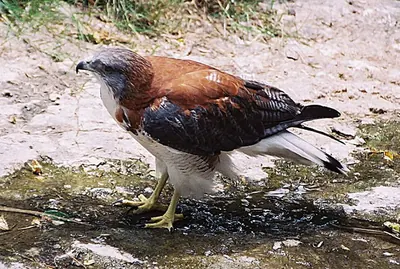
- Buteo polyosomaButeo polyosoma
- Turkey VultureCathartes aura
- Falco sparveriusFalco sparverius
- Black-chested Buzzard-EagleGeranoaetus melanoleucus
- Cinereous HarrierCircus cinereus
- Aplomado FalconFalco femoralis
Owls1 species
- Burrowing OwlAthene cunicularia
Waders9 species
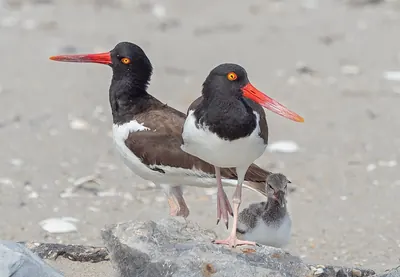
- American OystercatcherHaematopus palliatus
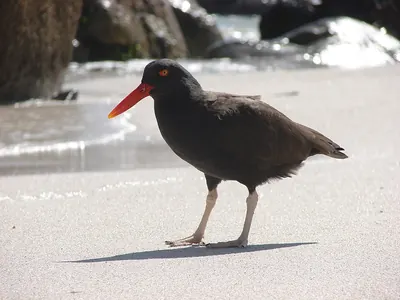
- Blackish OystercatcherHaematopus ater
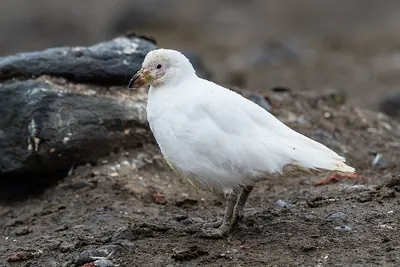
- Snowy SheathbillChionis albus
- Southern LapwingVanellus chilensis
- Magellanic OystercatcherHaematopus leucopodus
- Least SeedsnipeThinocorus rumicivorus
- Baird's SandpiperCalidris bairdii
- Tawny-throated DotterelOreopholus ruficollis
- White-rumped SandpiperCalidris fuscicollisVU
Gulls & seabirds8 species
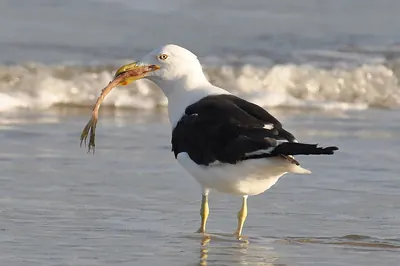
- Southern Black-backed GullLarus dominicanus
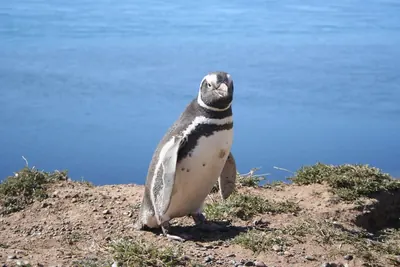
- Magellanic PenguinSpheniscus magellanicus
- Antarctic Giant-PetrelMacronectes giganteus
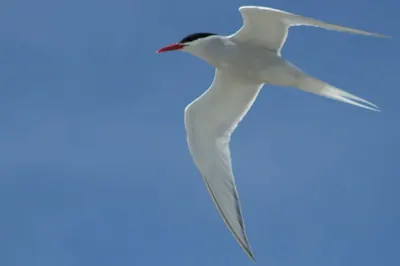
- South American TernSterna hirundinacea
- Brown-hooded GullChroicocephalus maculipennis
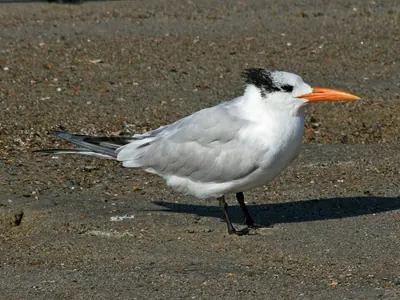
- Royal TernThalasseus maximus
- White-chinned PetrelProcellaria aequinoctialisVU
- Dolphin GullLeucophaeus scoresbii
Ducks & geese5 species
- Crested duckLophonetta specularioides
- Chubut SteamerduckTachyeres leucocephalusVU
- Yellow-billed PintailAnas georgica
- Flying Steamer-DuckTachyeres patachonicus
- Black-necked SwanCygnus melancoryphus
Herons, ibises & grebes7 species
- Magellan CormorantPhalacrocorax magellanicus
- Phalacrocorax brasilianusPhalacrocorax brasilianus
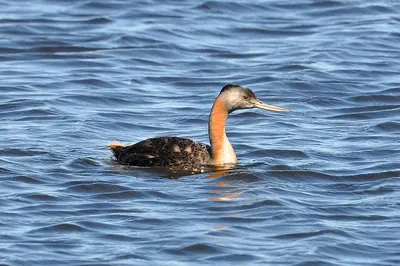
- Great GrebePodiceps major
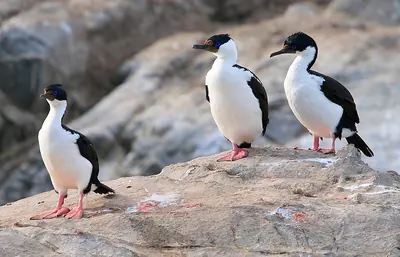
- Imperial ShagLeucocarbo atriceps
- Great White EgretArdea alba
- Black-crowned Night-HeronNycticorax nycticorax
- Cocoi HeronArdea cocoi
Flamingos1 species
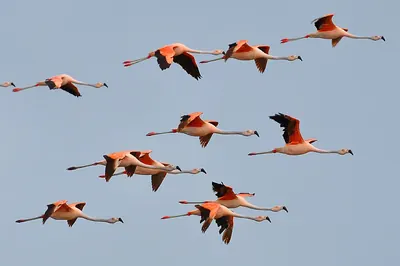
- Chilean flamingoPhoenicopterus chilensisNT
Songbirds27 species
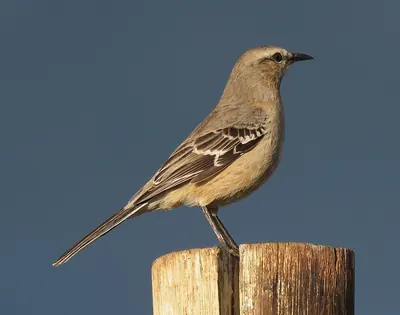
- Patagonian MockingbirdMimus patagonicus
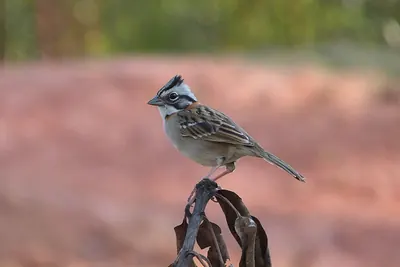
- Rufous-collared SparrowZonotrichia capensis
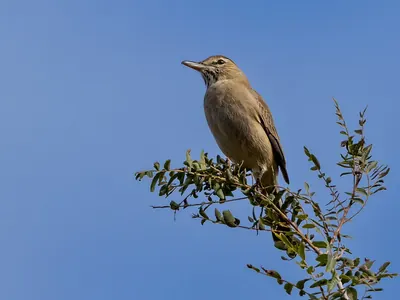
- Eremobius phoenicurusEremobius phoenicurus
- Mourning Sierra FinchRhopospina fruticeti
- Lesser CanasteroAsthenes pyrrholeuca
- Patagonian NegritoLessonia rufa
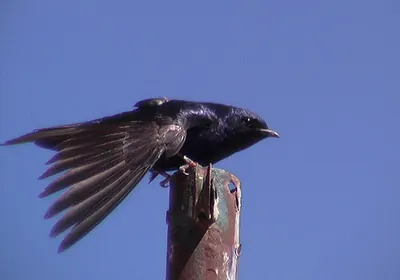
- Southern MartinProgne elegans
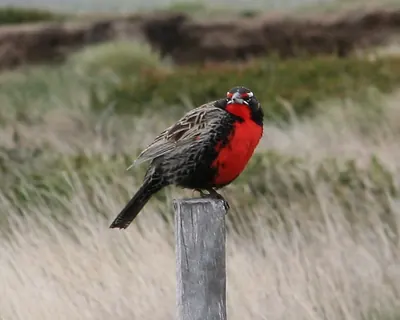
- Long-tailed MeadowlarkSturnella loyca
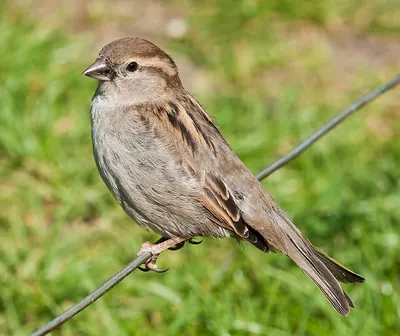
- House SparrowPasser domesticus
- Common MinerGeositta cunicularia
- Gray-bellied Shrike-TyrantAgriornis micropterus
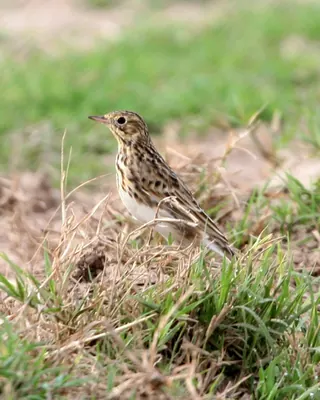
- Short-billed PipitAnthus furcatus
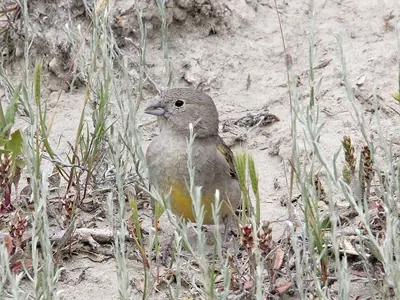
- Patagonian Yellow-finchSicalis lebruni
- Porphyrospiza carbonariaPorphyrospiza carbonaria
- Lesser Shrike-tyrantAgriornis murinus
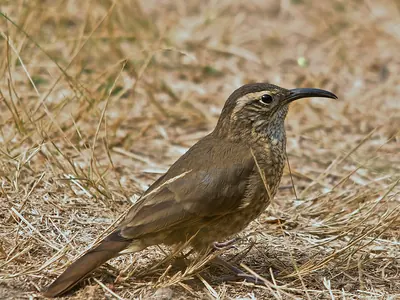
- Scale-throated EarthcreeperUpucerthia dumetaria
- Common Diuca FinchDiuca diuca
- Asthenes patagonicaAsthenes patagonica
- Chalk-browed MockingbirdMimus saturninus
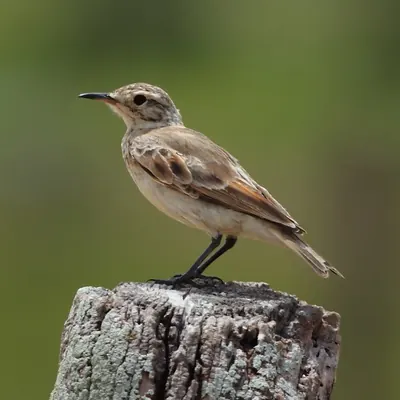
- Rusty-backed MonjitaXolmis rubetra
- Blue-and-white SwallowNotiochelidon cyanoleuca
- Austral ThrushTurdus falcklandii
- Grassland Yellow-FinchSicalis luteola
- Anthus correnderaAnthus correndera
- Bar-winged cinclodesCinclodes fuscus
- Plain-mantled Tit-spinetailLeptasthenura aegithaloides
- White-banded MockingbirdMimus triurus
Other birds5 species
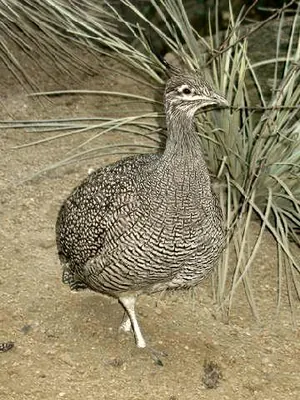
- Elegant Crested TinamouEudromia elegans
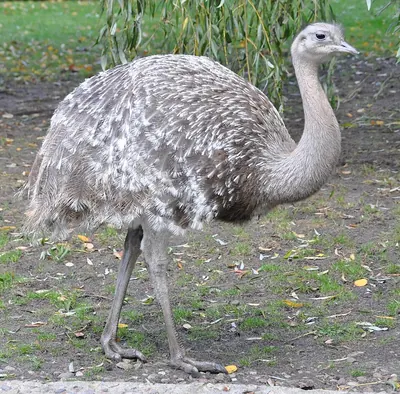
- Lesser RheaRhea pennata
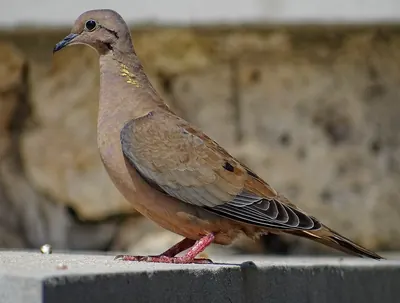
- Eared DoveZenaida auriculata
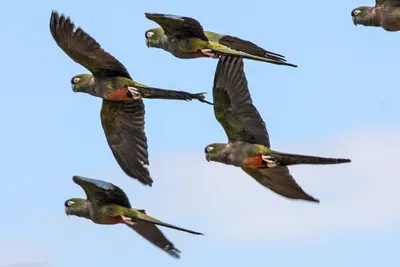
- Burrowing ParrotCyanoliseus patagonus
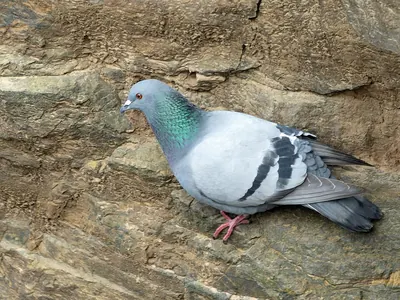
- Rock DoveColumba livia
Monthly presence relative to all bird records that month, so a busy month does not inflate every species.
When to go
The most species from November to December.
Species recorded in each month, with the usual temperature and rain.
- Jan25°/15°25 mm
- Feb24°/14°35 mm
- Mar22°/13°34 mm
- Apr18°/10°27 mm
- May14°/8°39 mm
- Jun11°/5°33 mm
- Jul10°/4°33 mm
- Aug12°/5°31 mm
- Sep14°/6°23 mm
- Oct17°/8°31 mm
- Nov21°/10°22 mm
- Dec23°/13°23 mm
- Bar: species recorded that month.
- Temperature: average maximum / minimum (NASA, 1991–2020).
- Rain: monthly total.
The place
Valdes Peninsula.
Argentinian peninsula
Valdes Peninsula is a wetland of international importance (Ramsar) in Argentina.
69 bird species have been recorded here more than once, in 555 open records.
The most recorded are the Patagonian Mockingbird, the Elegant Crested Tinamou and the Lesser Rhea.
30 species come for the summer, 3 for the winter and 0 only pass through.
3 are threatened worldwide, including Chubut Steamerduck, White-chinned Petrel and White-rumped Sandpiper.
The most species are recorded from November to December.
Get there and watch
- Official informationAccess, hours and rules from those who manage the place.Official site↗
- El Tehuelche Airport (PMY)nearest airport with scheduled flights · 100 km in a straight lineCar hire at REL airport (Rawson)Discover Cars · sponsored link↗
Plan the visit
A guided walk, a bed nearby, a car.
Some links above are affiliate links: if you book through them we may earn a commission, at no extra cost to you. It never changes what the data on this page says.
From above
The place and its surroundings.
The satellite image of the 6 × 6 km around the place, with the bird hides, towers and trails that OpenStreetMap shows.
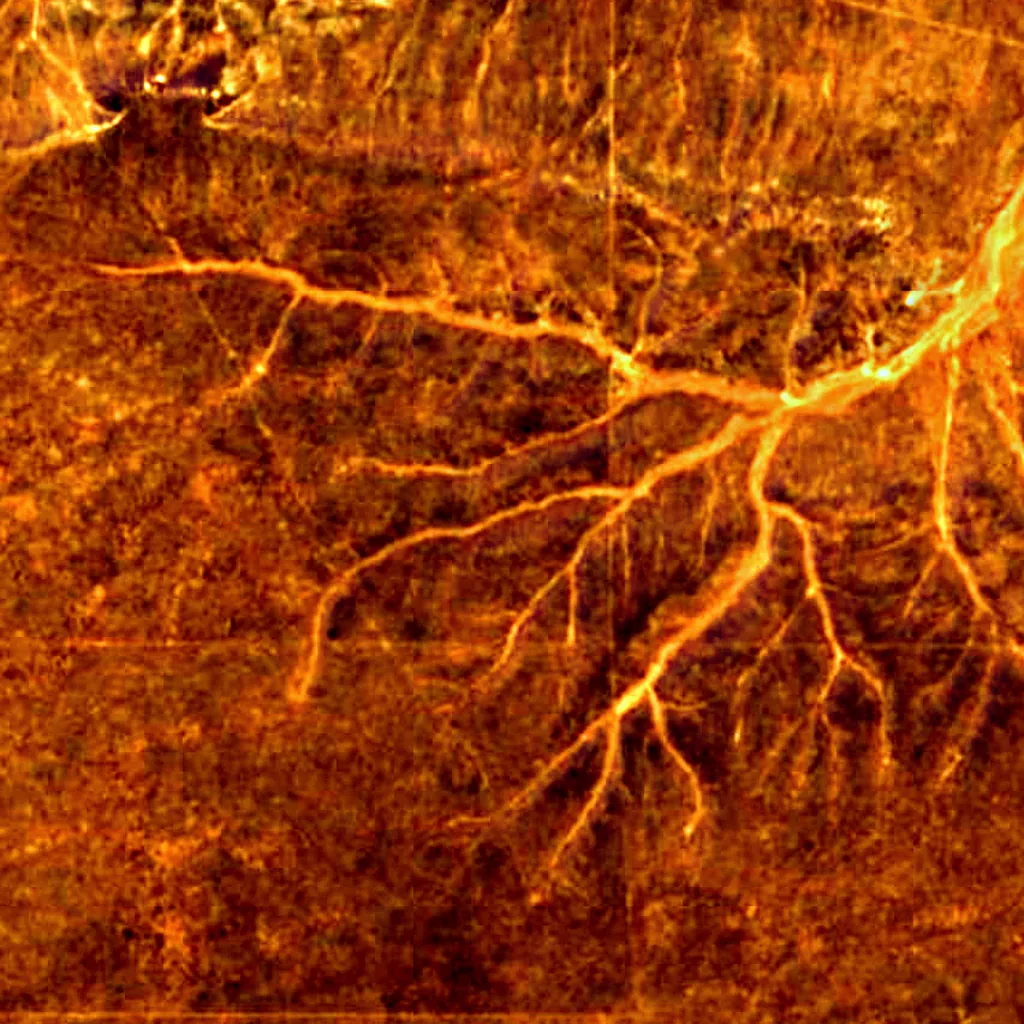
Around, in OpenStreetMap
- bird hides within 6 km
- observation towers within 6 km
- marked trails within 4 km
- visitor centres within 6 km
- viewpoints within 5 km
- car parks within 3 km
- restaurants and cafés within 3 km
- campsites within 10 km
- places to stay within 10 km
Counted in OpenStreetMap, the map anyone can edit. A low number may just mean nobody has mapped it yet.
In our other atlases
Around Valdes Peninsula.
The lakes, beaches, islands, rivers and mountains around this place, and its night sky, in the family's atlases.
 Peakyas2 mountains within 25 km
Figures from the sister sites' databases (Wikidata, HydroATLAS, GeoNames, OpenStreetMap). Links open when each site is online.
Photographs
The place, as people saw it.
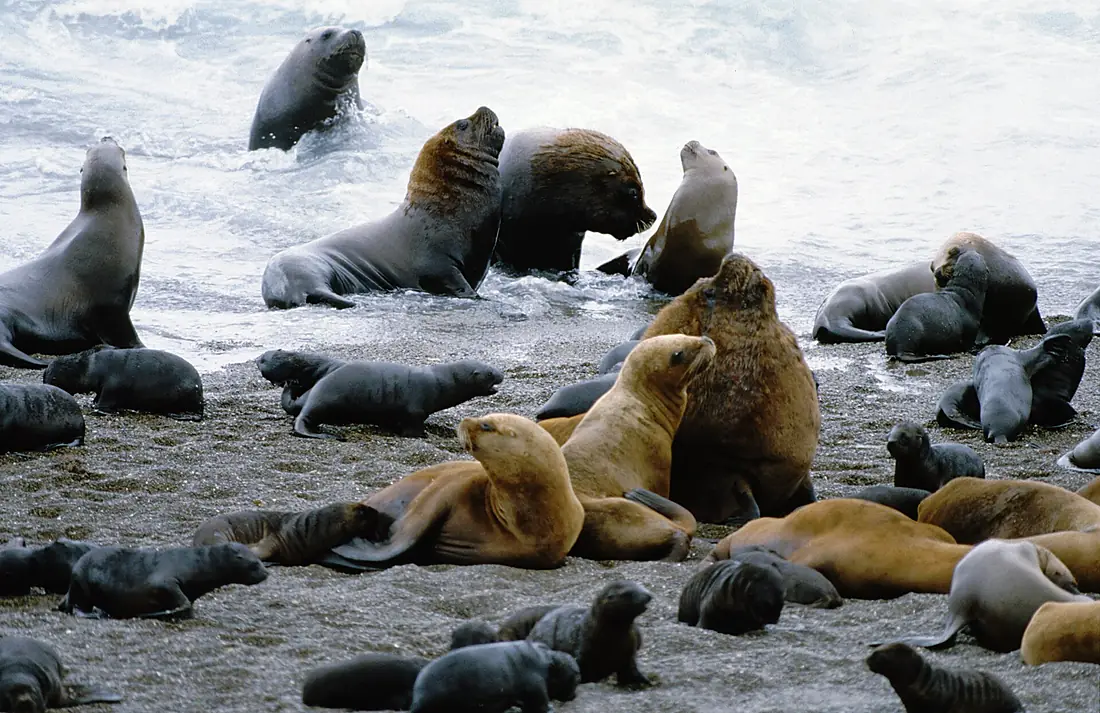
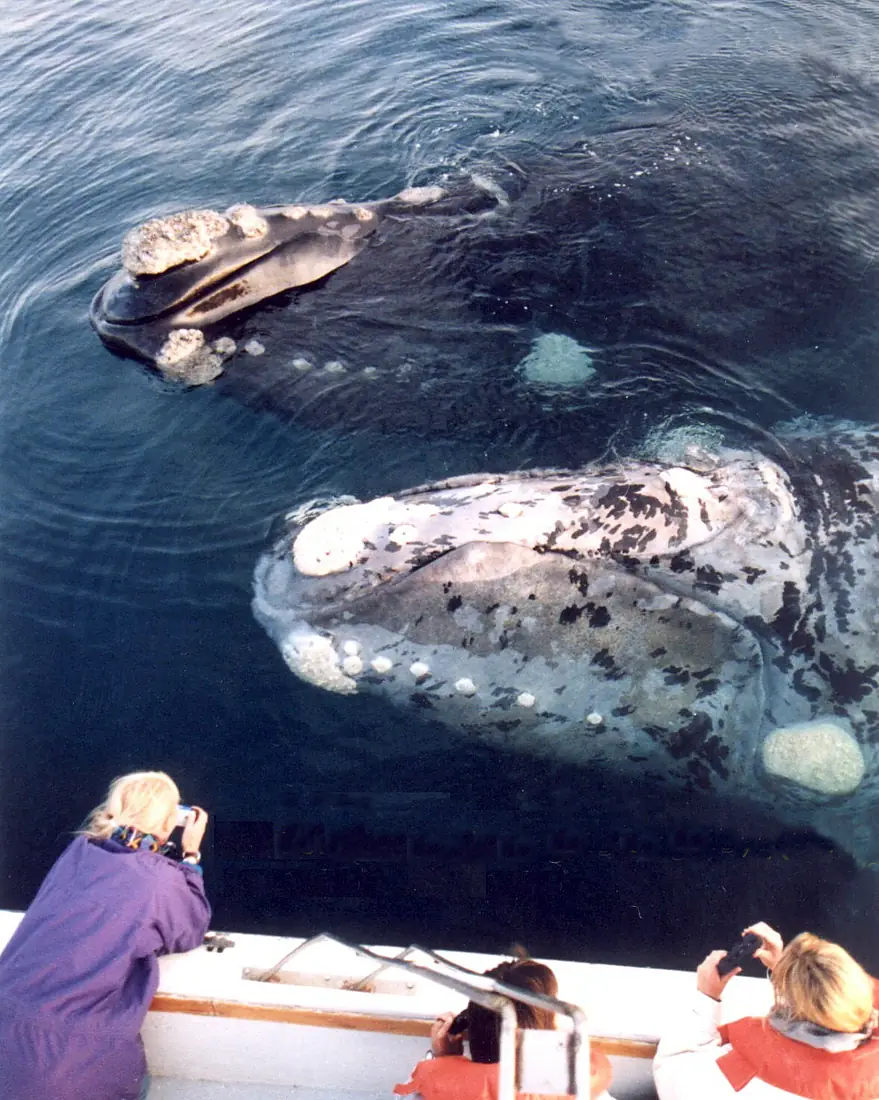
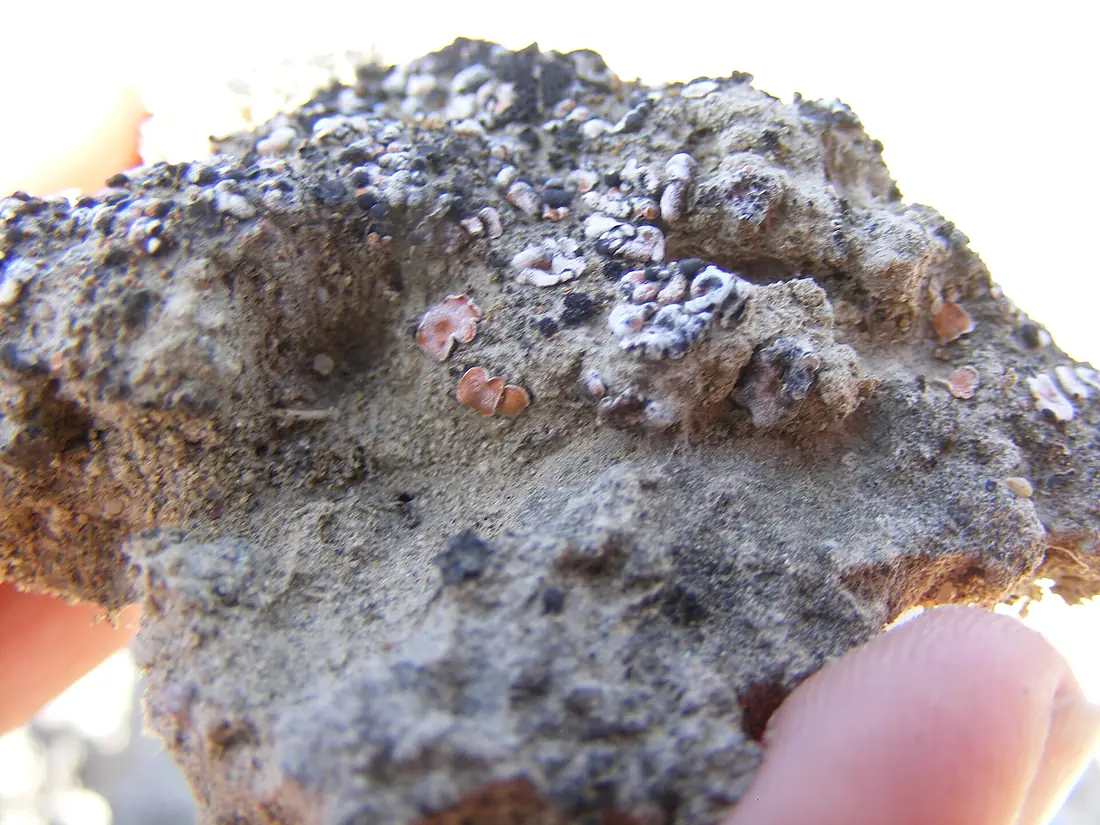
Where these figures come from
| Name and type | Wikidata (Q213237) · CC0 |
|---|---|
| Birds | 555 open bird records within 6 km (GBIF, CC0 and CC BY 4.0 only; mostly eBird, Cornell Lab of Ornithology) |
| See these records | gbif.org |
| Species | GBIF Backbone Taxonomy · CC BY 4.0; Wikidata (CC0); Wikimedia Commons |
| Altitude | Copernicus DEM GLO-30 · © DLR e.V., © Airbus Defence and Space GmbH, Copernicus/ESA |
| Temperature and rain | NASA POWER (CERES SYN1deg, 2001–2020; MERRA-2) |
| What is around | © OpenStreetMap contributors · ODbL |
| Images | EOX Sentinel-2 cloudless 2016 · CC BY 4.0; Wikimedia Commons |
| Sister atlases | Peakyas |
Every figure is an average, an estimate or a count from a public dataset. Licences and methods: data sources.
The family
Do you prefer beaches, lakes, mountains, waterfalls, islands, rivers, canyons, caves, dark skies, viewpoints, birdwatching or forests?
Same idea, other landscapes: field atlases built on open data, in seven languages.
 beaches
 Find your beach: sea temperature, sun and swimming month by month.Visit
  lakes
lakes Every lake on Earth: water temperature, ice, depth and the shore.Visit mountains
 Every summit in 3D: summit weather, the 0 °C line, huts and trails.Visit
  waterfalls
 Every waterfall: height, flow month by month and when it roars.Visit
  islands
 Every island from the sea up: size, sea temperature, ferries and 3D.Visit
  rivers
 Every river from source to sea: the journey, the flow and the basin in numbers.Visit
  canyons
 Every canyon cut to scale: depth to the floor, rim and floor temperatures, trails and viewpoints.Visit
  caves
caves Every cave with its real depth and length: the rock above, the temperature inside all year, and how to visit.Visit
  dark skies
 Where the night is still dark: the sky of every place, the Milky Way month by month, the Moon, eclipses and auroras.Visit
  viewpoints
 Every viewpoint with its real 360° panorama: the peaks you can name, how far you see and where the sun sets.Coming soonVisit
  birdwatching
 Every bird sanctuary and wetland with the species recorded month by month: who is resident, who comes for the summer, who only passes through.You are here
 forests
 Every forest with its land-cover rings, what grows and lives in it, and the best months to walk it.Coming soonVisit