 Australia bird observatory
Eyre Bird Observatory
99 bird species recorded; the most in October.
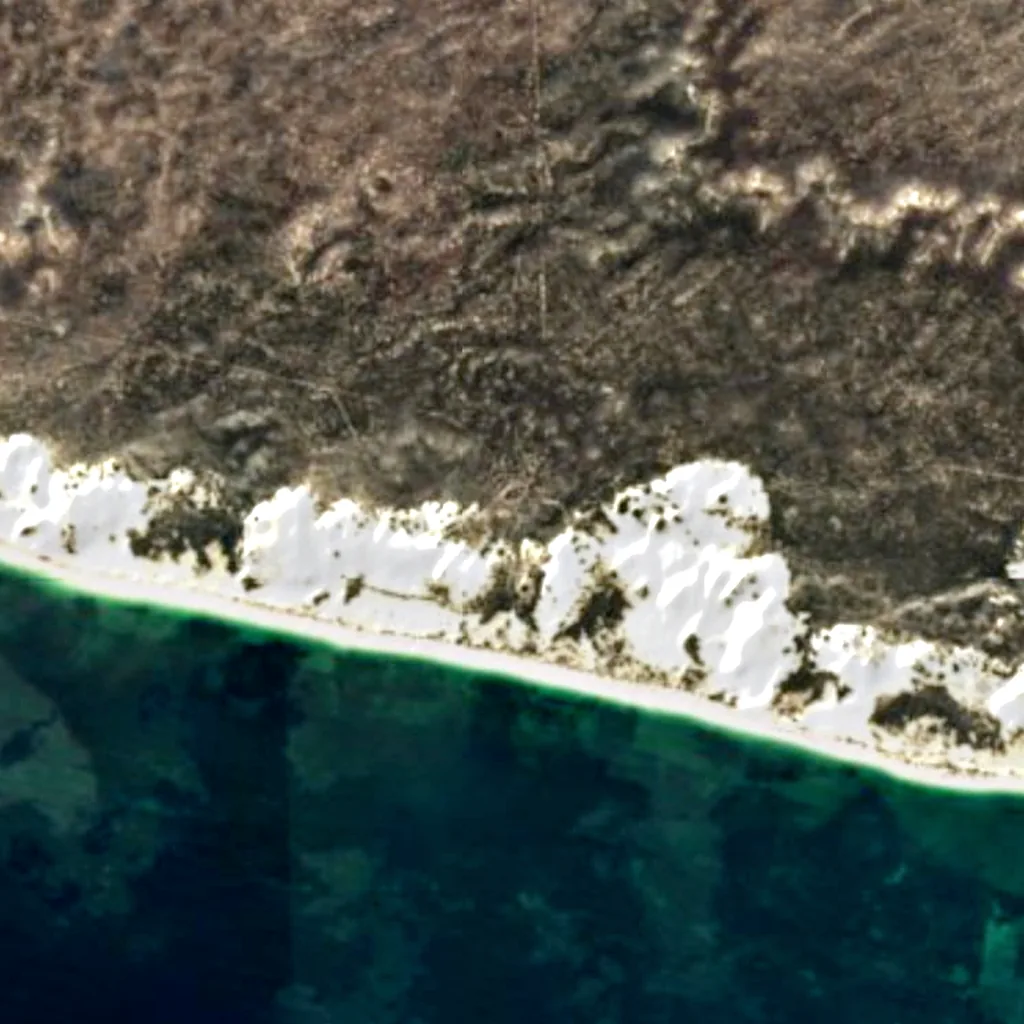
Sentinel-2 cloudless 2016 by EOX IT Services GmbH (contains modified Copernicus Sentinel data), CC BY 4.0, with relief shading from Copernicus WorldDEM-30
This month here
71 species in January.49 species in February.48 species in March.52 species in April.34 species in May.33 species in June.37 species in July.50 species in August.67 species in September.80 species in October.43 species in November.62 species in December.
The birds you are most likely to see in the month you choose, those that come for the season first. It opens on today's month.
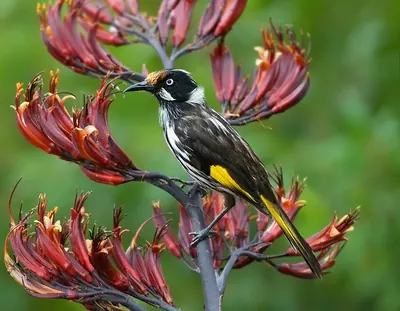
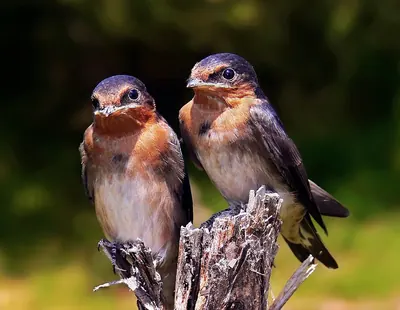
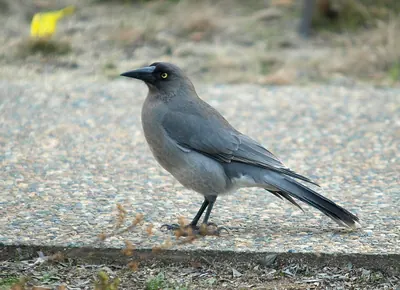
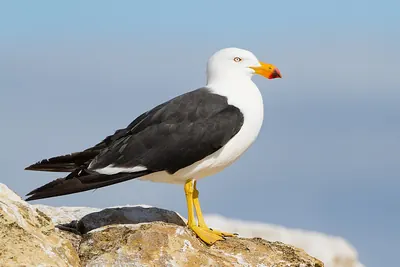
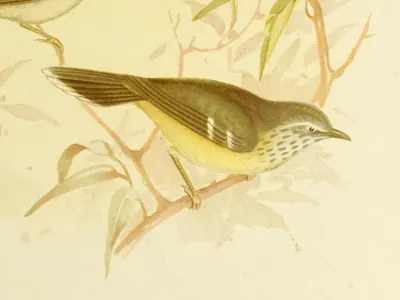
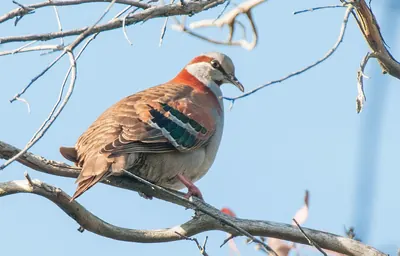
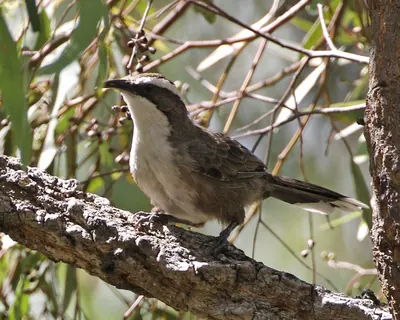
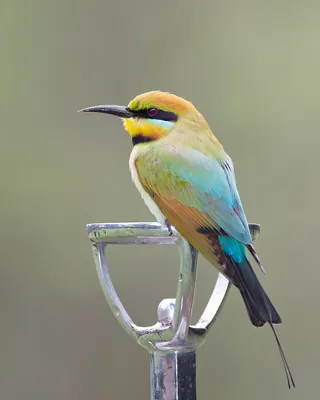
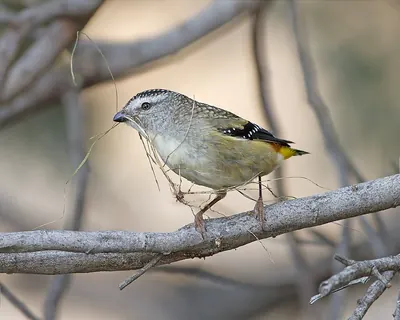
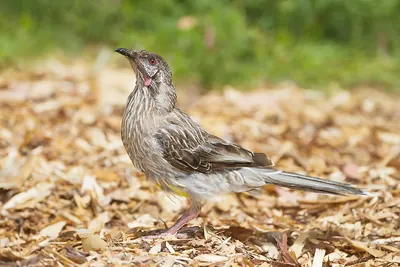
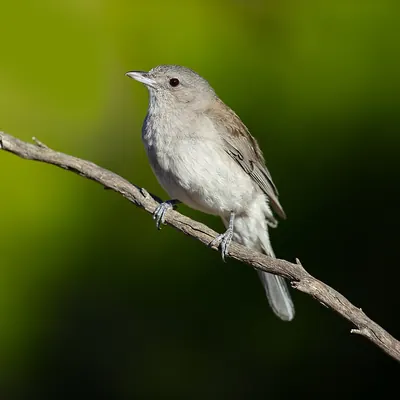
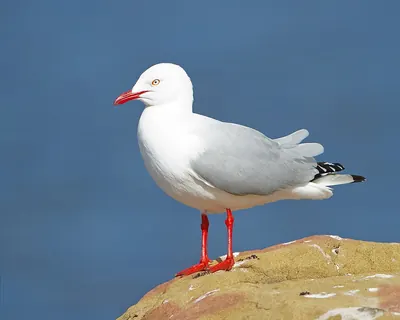
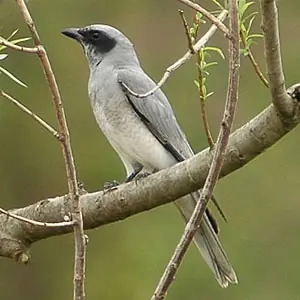
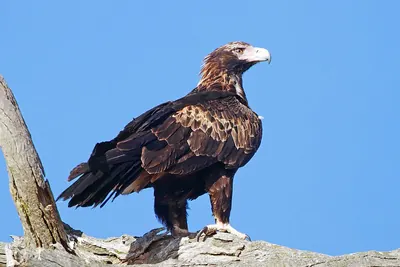
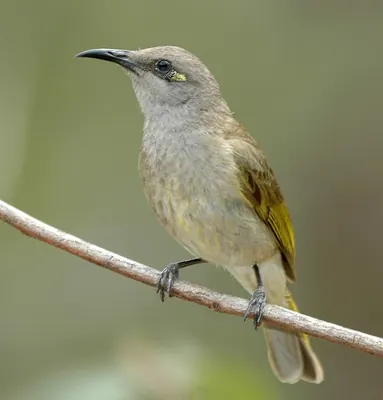
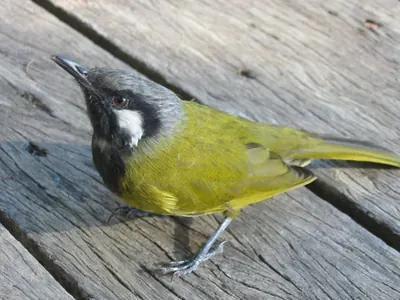
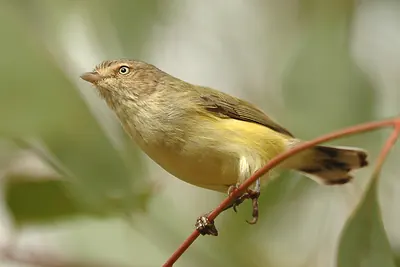
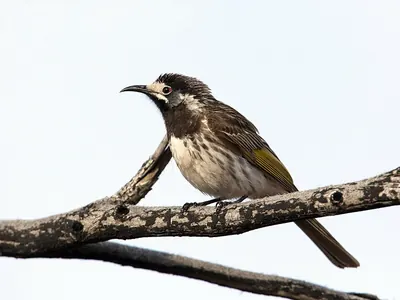
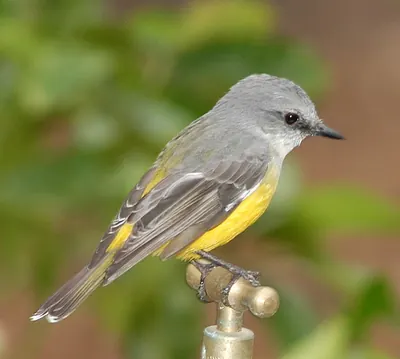
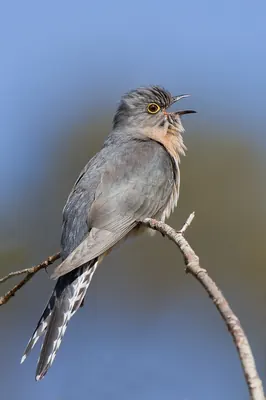
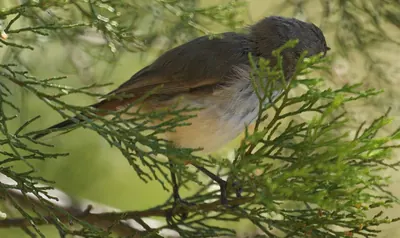
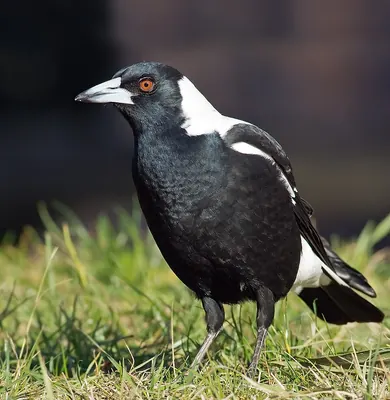
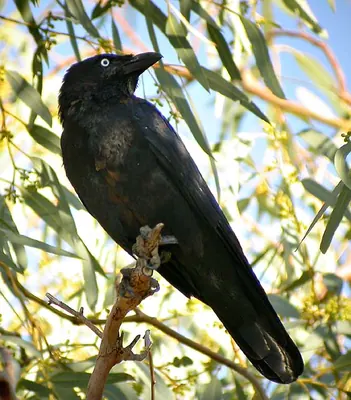
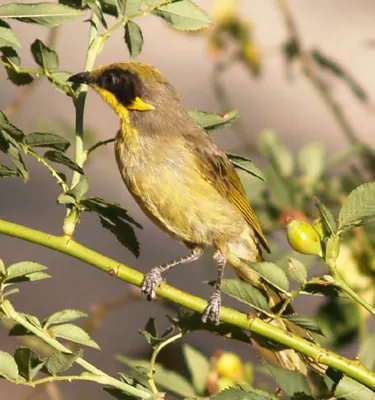
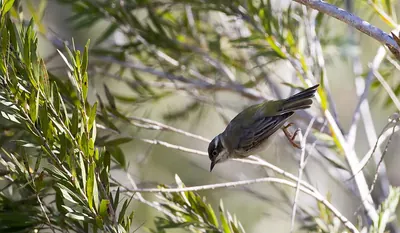
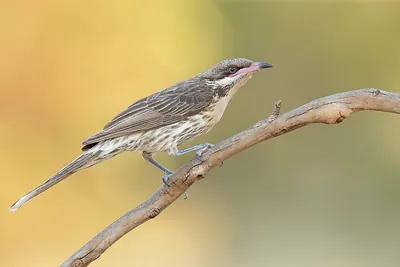
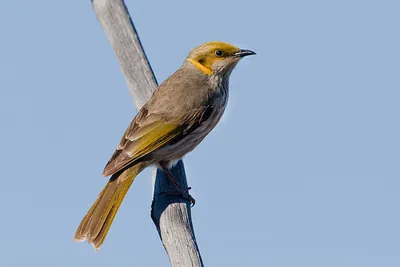
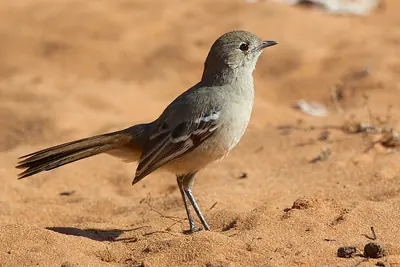
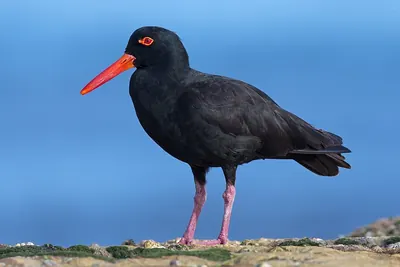
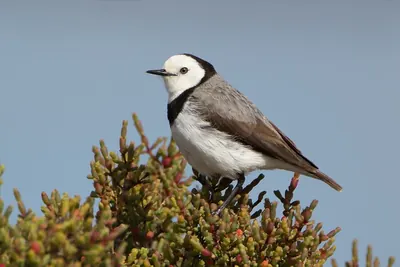
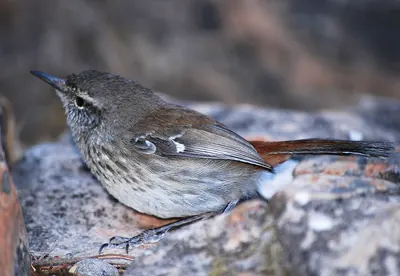
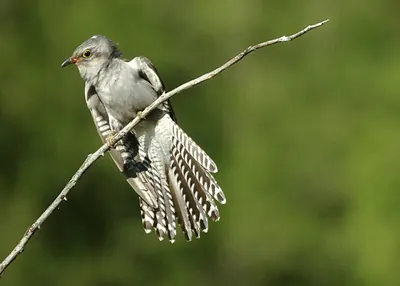
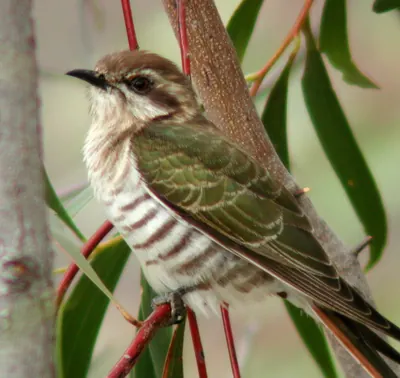
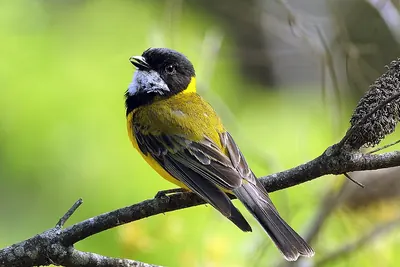
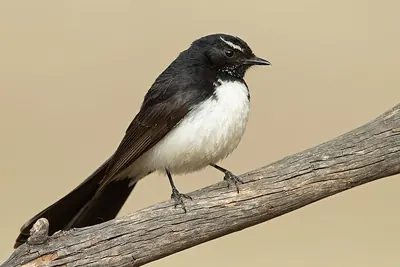
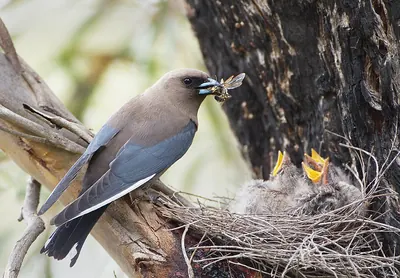
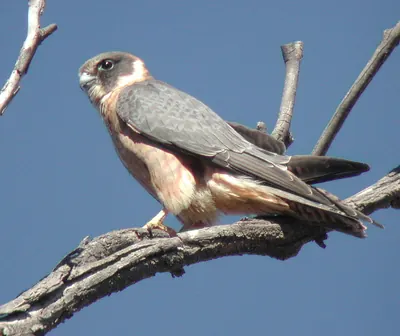
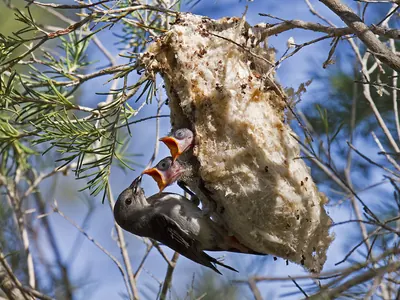
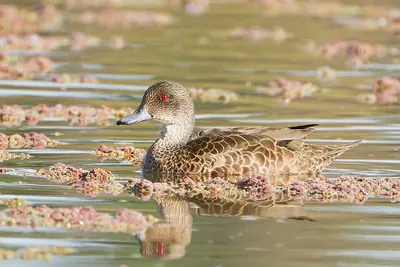
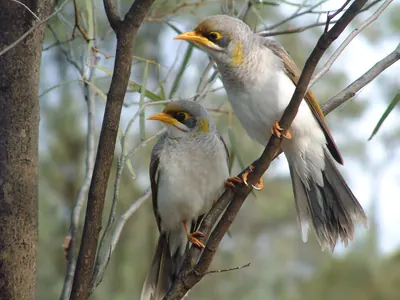
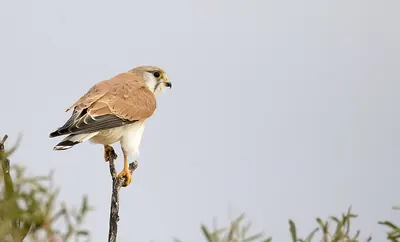
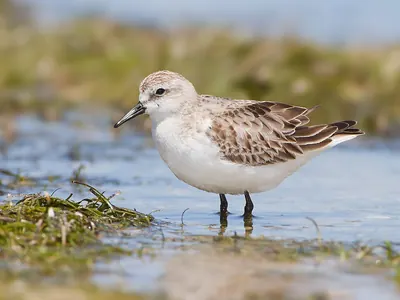 NT
NT- Resident all year
- Summer visitor comes to breed
- Winter visitor comes for the winter
- Passage migrant in spring and autumn
In numbers
99 species, counted.
Our own rating, from the records only: species (50 points), threatened species (20), migrants (20) and protected status — Ramsar, IBA, SPA, observatory (10).
- 99Speciesrecorded more than once
- 33Migrantssummer, winter or passage visitors
- 2ThreatenedVulnerable, Endangered or Critically Endangered (IUCN)
- 3,045Recordsopen records within 2 km
- 7Raptors
- 10Waders
- 6Gulls & seabirds
- 1Ducks & geese
- 2Herons, ibises & grebes
- 58Songbirds
- 15Other birds
From open records (eBird and others, through GBIF, licensed for any use). More birdwatchers mean more records: a quiet place may have more birds than it shows.
The checklist
All 99 species.
By group, with the year in twelve cells: the darker the cell, the more often the bird is recorded that month.
Raptors7 species
- Nankeen KestrelFalco cenchroides
- Wedge-tailed EagleAquila audax
- Brown FalconFalco berigora
- Australian hobbyFalco longipennis
- White-bellied Sea-EagleHaliaeetus leucogaster
- Black-shouldered KiteElanus axillaris
- Spotted HarrierCircus assimilis
Waders10 species
- Pied OystercatcherHaematopus longirostris
- Sooty OystercatcherHaematopus fuliginosus
- Red-necked StintCalidris ruficollisNT
- SanderlingCalidris alba
- Red-capped PloverCharadrius ruficapillus
- Sharp-tailed SandpiperCalidris acuminataVU
- Oriental DotterelCharadrius veredus
- Great KnotCalidris tenuirostris
- Common SandpiperActitis hypoleucos
- Banded LapwingVanellus tricolor
Gulls & seabirds6 species
- Pacific GullLarus pacificus
- Silver GullChroicocephalus novaehollandiae
- Caspian TernHydroprogne caspia
- Great Crested-TernThalasseus bergii
- Great-winged PetrelPterodroma macroptera
- Australasian GannetMorus serrator
Ducks & geese1 species
- Grey TealAnas gracilis
Herons, ibises & grebes2 species
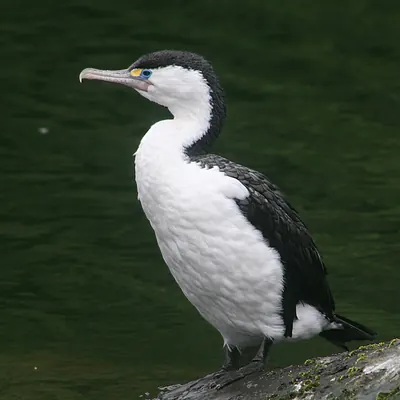
- Pied CormorantPhalacrocorax varius
- Australian PelicanPelecanus conspicillatus
Songbirds58 species
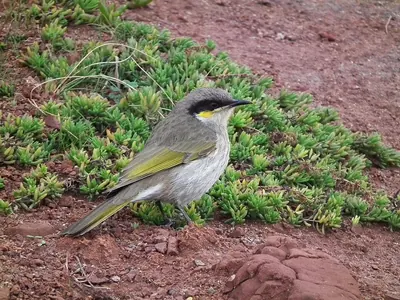
- Singing HoneyeaterGavicalis virescens
- New Holland HoneyeaterPhylidonyris novaehollandiae
- SilvereyeZosterops lateralis
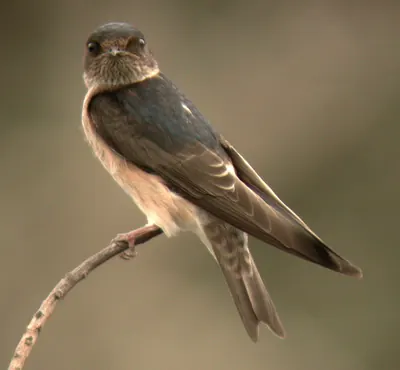
- Welcome SwallowHirundo neoxena
- Red WattlebirdAnthochaera carunculata
- Grey CurrawongStrepera versicolor
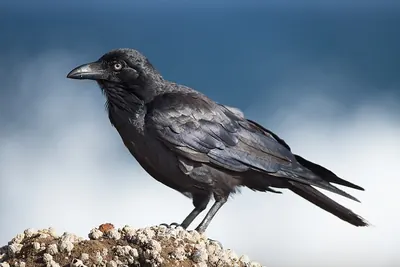
- Australian RavenCorvus coronoides
- Spotted ScrubwrenSericornis maculatus
- Grey ShrikethrushColluricincla harmonica
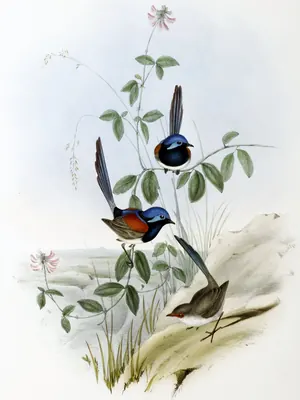
- Blue-breasted Fairy-wrenMalurus pulcherrimus
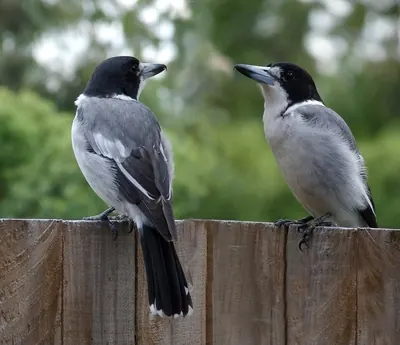
- Grey ButcherbirdCracticus torquatus
- Brown HoneyeaterLichmera indistincta
- White-eared HoneyeaterNesoptilotis leucotis
- Spotted PardalotePardalotus punctatus
- Inland ThornbillAcanthiza apicalis
- WeebillSmicrornis brevirostris
- White-browed BabblerPomatostomus superciliosus
- Willie-wagtailRhipidura leucophrys
- White-fronted HoneyeaterPurnella albifrons
- Brown-headed HoneyeaterMelithreptus brevirostris
- Tree MartinPetrochelidon nigricans
- Australian Golden WhistlerPachycephala pectoralis
- Dusky WoodswallowArtamus cyanopterus
- Spiny-cheeked HoneyeaterAcanthagenys rufogularis
- Yellow-throated MinerManorina flavigula
- Black-faced CuckooshrikeCoracina novaehollandiae
- Purple-gaped HoneyeaterLichenostomus cratitius
- Australian MagpieGymnorhina tibicen
- Striated PardalotePardalotus striatus
- Yellow-plumed HoneyeaterPtilotula ornata
- Western Yellow RobinEopsaltria griseogularis
- Copperback Quail-thrushCinclosoma clarum
- Rhipidura albiscapaRhipidura albiscapa
- Southern Scrub RobinDrymodes brunneopygia
- Australian White-winged TrillerLalage tricolor
- Little CrowCorvus bennetti
- Magpie larkGrallina cyanoleuca
- White-fronted ChatEpthianura albifrons
- Yellow-rumped ThornbillAcanthiza chrysorrhoa
- MistletoebirdDicaeum hirundinaceum
- White-browed ScrubwrenSericornis frontalis
- Australian PipitAnthus australis
- Shy HeathwrenCalamanthus cautus
- White-cheeked HoneyeaterPhylidonyris niger
- Black-faced WoodswallowArtamus cinereus
- Jacky-winterMicroeca fascinans
- Pied ButcherbirdCracticus nigrogularis
- Rufous CalamanthusCalamanthus campestris
- Little WattlebirdAnthochaera lunulata
- Southern WhitefaceAphelocephala leucopsisVU
- Varied SittellaDaphoenositta chrysoptera
- White-winged Fairy-wrenMalurus leucopterus
- Australasian PipitAnthus novaeseelandiae
- Crested BellbirdOreoica gutturalis
- Masked WoodswallowArtamus personatus
- Slender-billed ThornbillAcanthiza iredalei
- Purple-backed FairywrenMalurus assimilis
- Common StarlingSturnus vulgaris
Other birds15 species
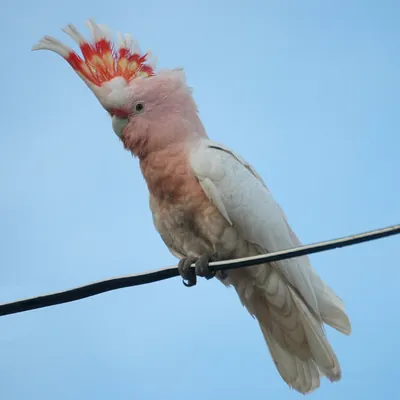
- Pink CockatooCacatua leadbeateri
- Brush BronzewingPhaps elegans
- Rainbow Bee-eaterMerops ornatus
- Fan-tailed CuckooCacomantis flabelliformis
- Australian RingneckBarnardius zonarius
- Shining cuckooChrysococcyx lucidus
- Common BronzewingPhaps chalcoptera
- GalahEolophus roseicapilla
- Horsfield's Bronze CuckooChrysococcyx basalis
- EmuDromaius novaehollandiae
- Sacred KingfisherTodiramphus sanctus
- Pallid cuckooCuculus pallidus
- Crested PigeonOcyphaps lophotes
- Australian BustardArdeotis australis
- Red-backed KingfisherTodiramphus pyrrhopygius
Monthly presence relative to all bird records that month, so a busy month does not inflate every species.
When to go
The most species in October.
Species recorded in each month, with the usual temperature and rain.
- Jan30°/16°29 mm
- Feb29°/16°40 mm
- Mar27°/15°27 mm
- Apr25°/13°23 mm
- May21°/11°27 mm
- Jun18°/8°29 mm
- Jul18°/7°28 mm
- Aug19°/8°26 mm
- Sep22°/9°20 mm
- Oct25°/11°19 mm
- Nov27°/13°25 mm
- Dec29°/15°30 mm
- Bar: species recorded that month.
- Temperature: average maximum / minimum (NASA, 1991–2020).
- Rain: monthly total.
The place
Eyre Bird Observatory.
Australian ornithological research and recreation facility in Western Australia
Eyre Bird Observatory is a bird observatory in Australia.
99 bird species have been recorded here more than once, in 3,045 open records.
The most recorded are the Singing Honeyeater, the Pink Cockatoo and the New Holland Honeyeater.
19 species come for the summer, 12 for the winter and 2 only pass through.
2 are threatened worldwide, including Sharp-tailed Sandpiper and Southern Whiteface.
The most species are recorded in October.
Get there and watch
- Official informationAccess, hours and rules from those who manage the place.Official site↗
Plan the visit
A guided walk, a bed nearby, a car.
Some links above are affiliate links: if you book through them we may earn a commission, at no extra cost to you. It never changes what the data on this page says.
From above
The place and its surroundings.
The satellite image of the 6 × 6 km around the place, with the bird hides, towers and trails that OpenStreetMap shows.
Around, in OpenStreetMap
- 1bird hides within 6 kmEyre Bird Observatory
- observation towers within 6 km
- marked trails within 4 km
- visitor centres within 6 km
- viewpoints within 5 km
- car parks within 3 km
- restaurants and cafés within 3 km
- campsites within 10 km
- places to stay within 10 km
Counted in OpenStreetMap, the map anyone can edit. A low number may just mean nobody has mapped it yet.
In our other atlases
Around Eyre Bird Observatory.
The lakes, beaches, islands, rivers and mountains around this place, and its night sky, in the family's atlases.
 Peakyas3 mountains within 25 km
Figures from the sister sites' databases (Wikidata, HydroATLAS, GeoNames, OpenStreetMap). Links open when each site is online.
Where these figures come from
| Name and type | Wikidata (Q5422982) · CC0 |
|---|---|
| Birds | 3,045 open bird records within 2 km (GBIF, CC0 and CC BY 4.0 only; mostly eBird, Cornell Lab of Ornithology) |
| See these records | gbif.org |
| Species | GBIF Backbone Taxonomy · CC BY 4.0; Wikidata (CC0); Wikimedia Commons |
| Altitude | Copernicus DEM GLO-30 · © DLR e.V., © Airbus Defence and Space GmbH, Copernicus/ESA |
| Temperature and rain | NASA POWER (CERES SYN1deg, 2001–2020; MERRA-2) |
| What is around | © OpenStreetMap contributors · ODbL |
| Images | EOX Sentinel-2 cloudless 2016 · CC BY 4.0; Wikimedia Commons |
| Sister atlases | Peakyas |
Every figure is an average, an estimate or a count from a public dataset. Licences and methods: data sources.
The family
Do you prefer beaches, lakes, mountains, waterfalls, islands, rivers, canyons, caves, dark skies, viewpoints, birdwatching or forests?
Same idea, other landscapes: field atlases built on open data, in seven languages.
 beaches
 Find your beach: sea temperature, sun and swimming month by month.Visit
  lakes
lakes Every lake on Earth: water temperature, ice, depth and the shore.Visit mountains
 Every summit in 3D: summit weather, the 0 °C line, huts and trails.Visit
  waterfalls
 Every waterfall: height, flow month by month and when it roars.Visit
  islands
 Every island from the sea up: size, sea temperature, ferries and 3D.Visit
  rivers
 Every river from source to sea: the journey, the flow and the basin in numbers.Visit
  canyons
 Every canyon cut to scale: depth to the floor, rim and floor temperatures, trails and viewpoints.Visit
  caves
caves Every cave with its real depth and length: the rock above, the temperature inside all year, and how to visit.Visit
  dark skies
 Where the night is still dark: the sky of every place, the Milky Way month by month, the Moon, eclipses and auroras.Visit
  viewpoints
 Every viewpoint with its real 360° panorama: the peaks you can name, how far you see and where the sun sets.Coming soonVisit
  birdwatching
 Every bird sanctuary and wetland with the species recorded month by month: who is resident, who comes for the summer, who only passes through.You are here
 forests
 Every forest with its land-cover rings, what grows and lives in it, and the best months to walk it.Coming soonVisit