 New Zealand Ramsar wetland
Awarua Wetland
92 bird species recorded; the most from January to February.
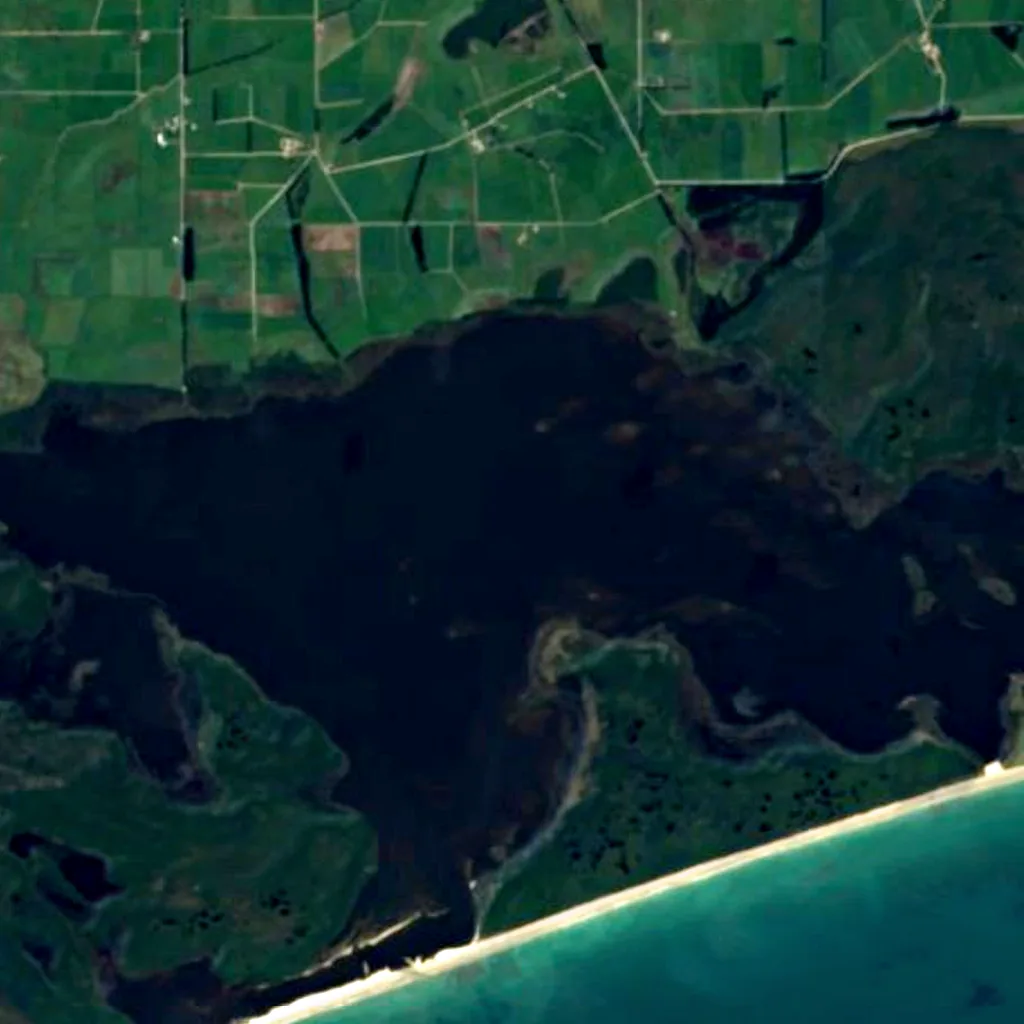
Sentinel-2 cloudless 2016 by EOX IT Services GmbH (contains modified Copernicus Sentinel data), CC BY 4.0, with relief shading from Copernicus WorldDEM-30
This month here
76 species in January.80 species in February.70 species in March.63 species in April.64 species in May.58 species in June.60 species in July.64 species in August.60 species in September.61 species in October.65 species in November.73 species in December.
The birds you are most likely to see in the month you choose, those that come for the season first. It opens on today's month.
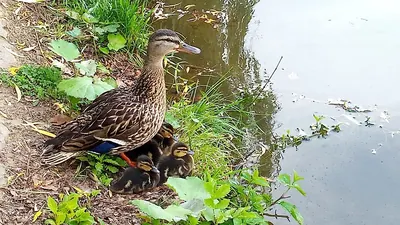
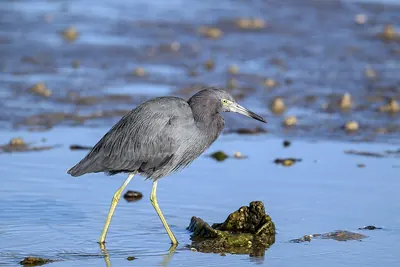
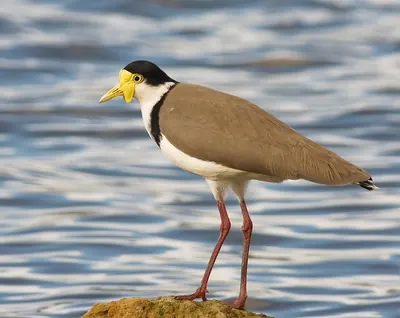
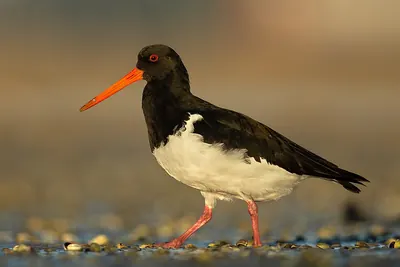
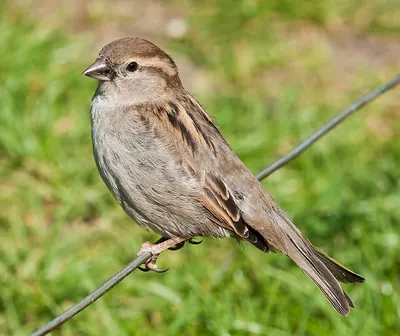
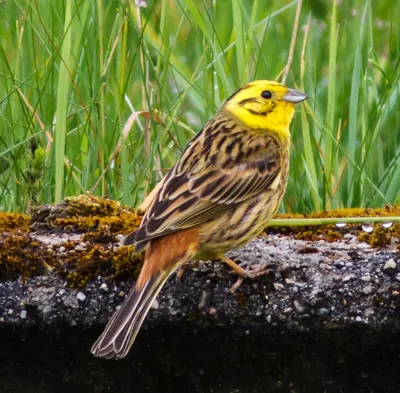
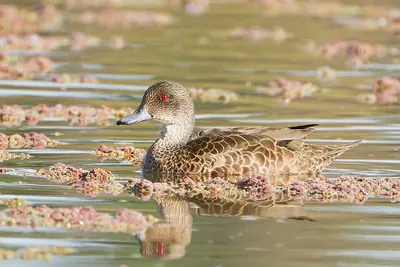
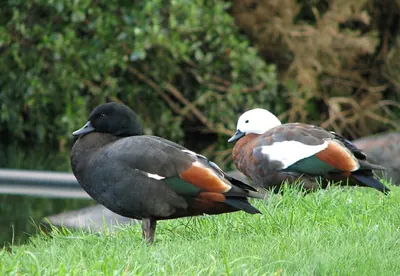
 NT
NT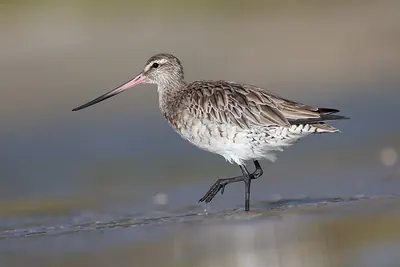 NT
NT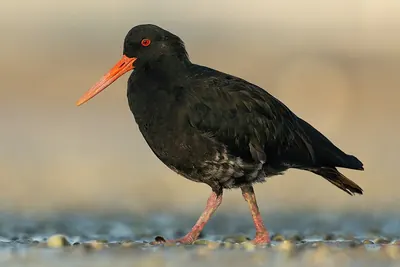
 NTNT
NTNT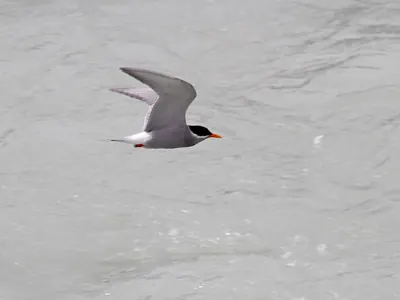
 NTNT
NTNT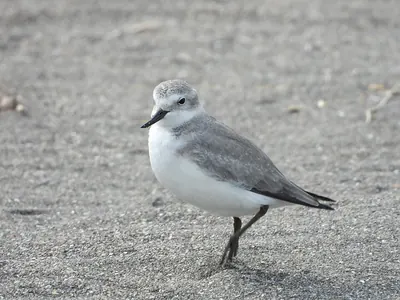 VU
VU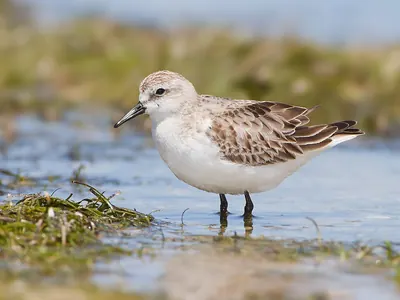 NT
NT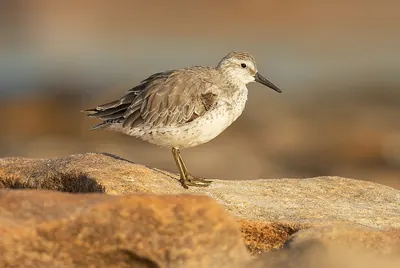 NT
NT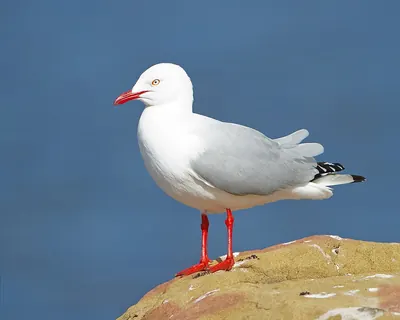
 VUNTNT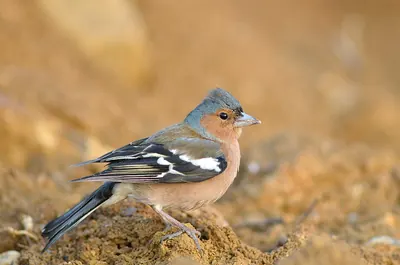
 NT
NT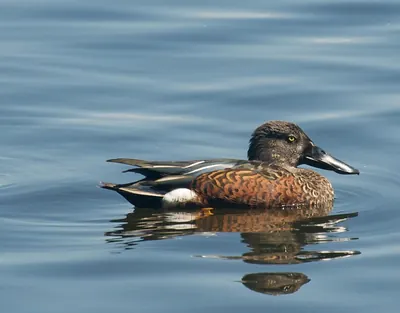
 NTVUNT
 NTVUNTNTNTVUNTNT
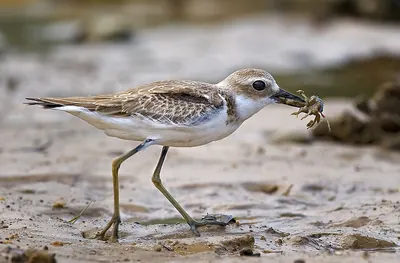 NTNTNTNTNTNT
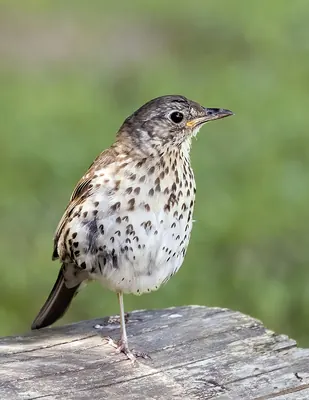 NTNTNT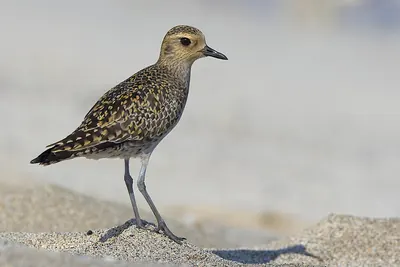
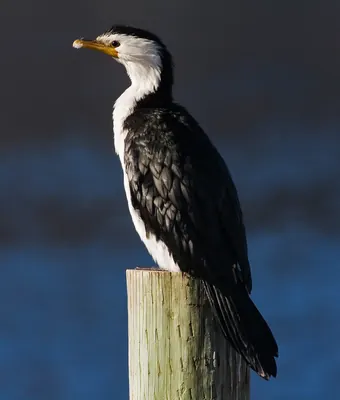
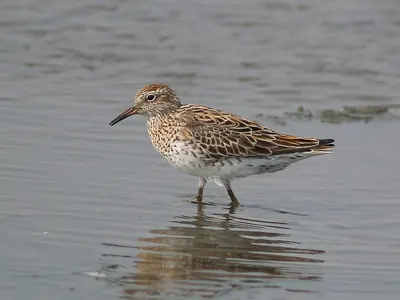 VUNTNTNT
- Resident all year
- Summer visitor comes to breed
- Winter visitor comes for the winter
- Passage migrant in spring and autumn
In numbers
92 species, counted.
Our own rating, from the records only: species (50 points), threatened species (20), migrants (20) and protected status — Ramsar, IBA, SPA, observatory (10).
- 92Speciesrecorded more than once
- 24Migrantssummer, winter or passage visitors
- 7ThreatenedVulnerable, Endangered or Critically Endangered (IUCN)
- 19,910Recordsopen records within 6 km
- 2Raptors
- 1Owls
- 25Waders
- 14Gulls & seabirds
- 9Ducks & geese
- 11Herons, ibises & grebes
- 22Songbirds
- 8Other birds
From open records (eBird and others, through GBIF, licensed for any use). More birdwatchers mean more records: a quiet place may have more birds than it shows.
The checklist
All 92 species.
By group, with the year in twelve cells: the darker the cell, the more often the bird is recorded that month.
Raptors2 species
- Swamp HarrierCircus approximans
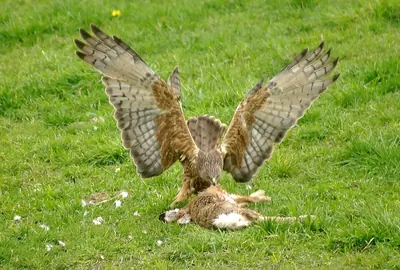
- New Zealand FalconFalco novaeseelandiae
Owls1 species
- Little OwlAthene noctua
Waders25 species
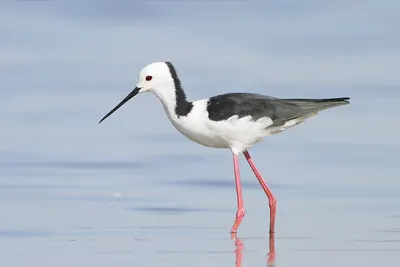
- Pied StiltHimantopus leucocephalus
- Variable OystercatcherHaematopus unicolor
- South Island OystercatcherHaematopus finschi
- Bar-tailed godwitLimosa lapponicaNT
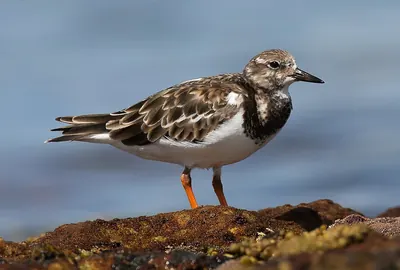
- Ruddy TurnstoneArenaria interpresNT
- Masked LapwingVanellus miles
- Red-necked StintCalidris ruficollisNT
- Red KnotCalidris canutusNT
- Terek SandpiperXenus cinereus
- WrybillAnarhynchus frontalisVU
- Greater Sand PloverCharadrius leschenaultii
- Curlew SandpiperCalidris ferrugineaVU
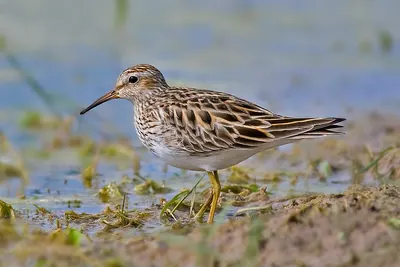
- Sharp-tailed SandpiperCalidris acuminataVU
- Pacific Golden PloverPluvialis fulva
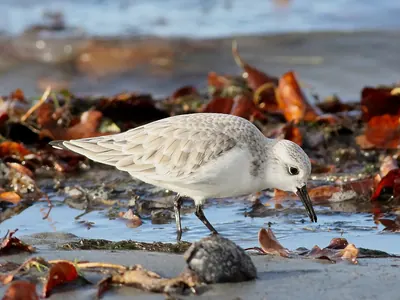
- SanderlingCalidris alba
- Pectoral SandpiperCalidris melanotos
- Marsh SandpiperTringa stagnatilis
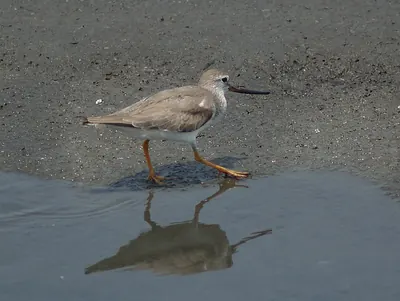
- Gray-tailed TattlerTringa brevipes
- Far Eastern CurlewNumenius madagascariensis
- Common GreenshankTringa nebularia
- Long-toed StintCalidris subminuta
- Grey PloverPluvialis squatarolaVU
- Hudsonian GodwitLimosa haemasticaVU
- Little CurlewNumenius minutus
- Eurasian WhimbrelNumenius phaeopus
Gulls & seabirds14 species
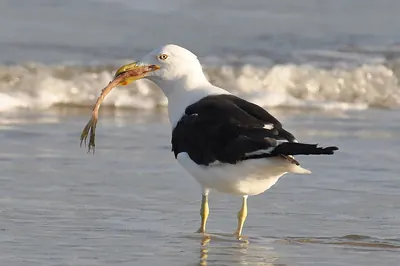
- Southern Black-backed GullLarus dominicanus
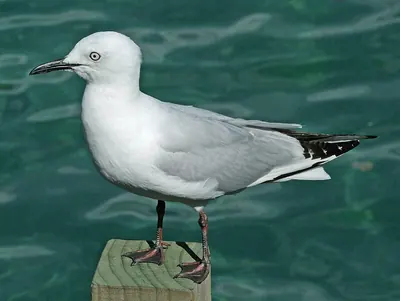
- Black-billed GullChroicocephalus bulleri
- Black-fronted TernChlidonias albostriatus
- Silver GullChroicocephalus novaehollandiae
- Caspian TernHydroprogne caspia
- White-fronted TernSterna striataNT
- White-winged TernChlidonias leucopterus
- Whiskered TernChlidonias hybrida
- Australasian GannetMorus serrator
- Sooty shearwaterPuffinus griseus
- Antarctic TernSterna vittata
- Little TernSternula albifrons
- Arctic SkuaStercorarius parasiticus
- Fairy PrionPachyptila turtur
Ducks & geese9 species
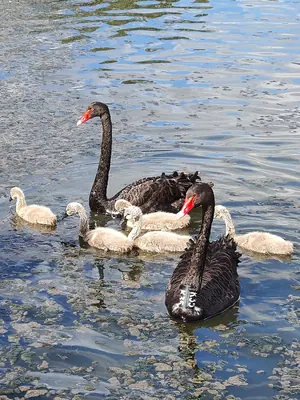
- Black swanCygnus atratus
- MallardAnas platyrhynchos
- Paradise ShelduckTadorna variegata
- Grey TealAnas gracilis
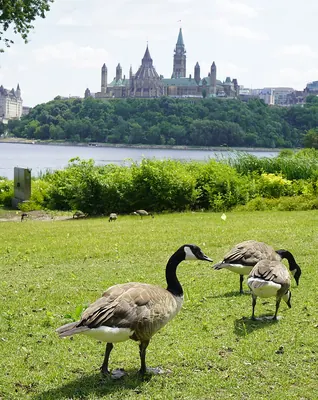
- Canada GooseBranta canadensis
- Australasian ShovelerSpatula rhynchotis
- New Zealand ScaupAythya novaeseelandiae
- Greylag GooseAnser anser
- Pacific Black DuckAnas superciliosa
Herons, ibises & grebes11 species
- White-faced HeronEgretta novaehollandiae
- Royal SpoonbillPlatalea regia
- Little Pied CormorantMicrocarbo melanoleucos
- Great CormorantPhalacrocorax carbo
- Pied CormorantPhalacrocorax varius
- Spotted ShagPhalacrocorax punctatus
- Australasian BitternBotaurus poiciloptilusVU
- Otago ShagLeucocarbo chalconotusVU
- Great White EgretArdea alba
- Reef HeronEgretta sacra
- Little Black CormorantPhalacrocorax sulcirostris
Songbirds22 species
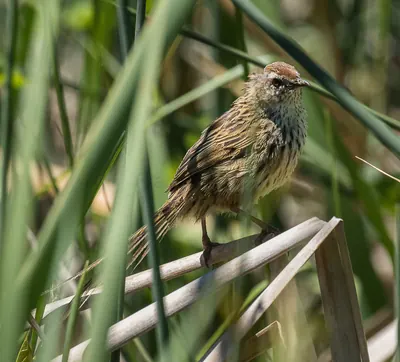
- New Zealand FernbirdPoodytes punctatus
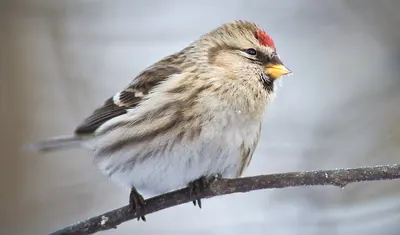
- Common RedpollAcanthis flammea
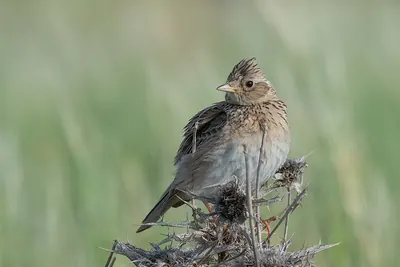
- SkylarkAlauda arvensis
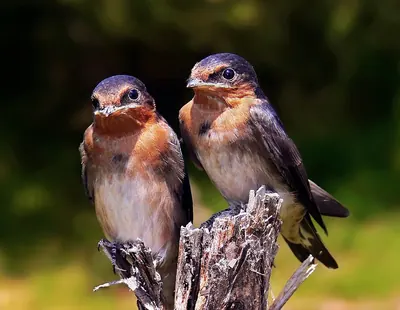
- Welcome SwallowHirundo neoxena
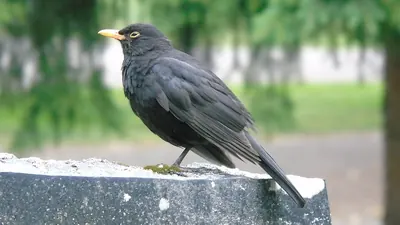
- Eurasian BlackbirdTurdus merula
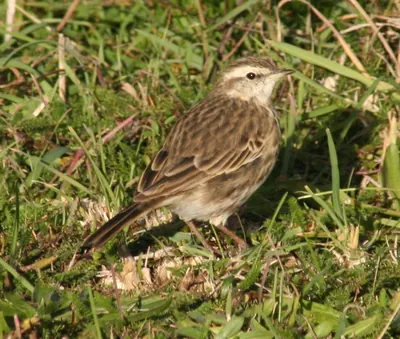
- Australasian PipitAnthus novaeseelandiae
- Eurasian ChaffinchFringilla coelebs
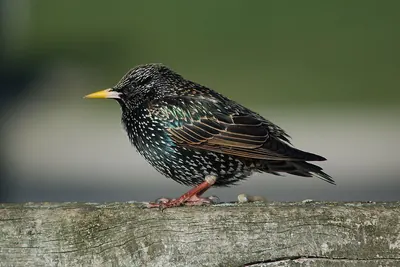
- Common StarlingSturnus vulgaris
- SilvereyeZosterops lateralis
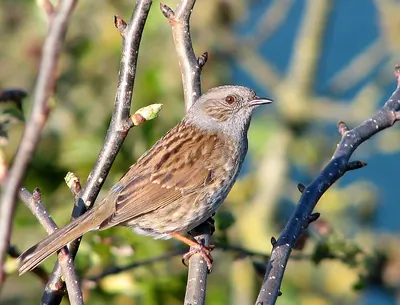
- DunnockPrunella modularis
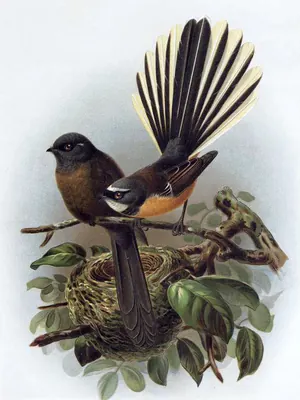
- Grey FantailRhipidura fuliginosa
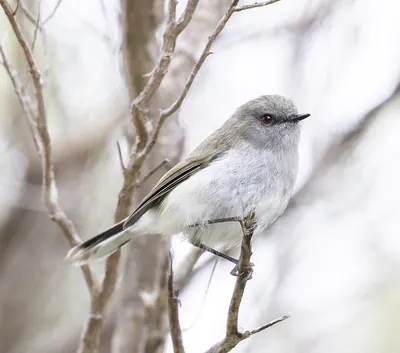
- Grey GerygoneGerygone igata
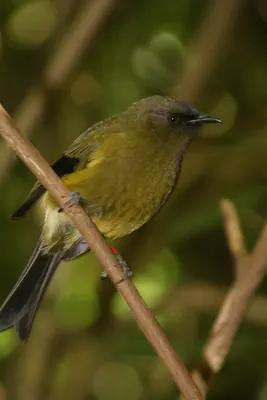
- BellbirdAnthornis melanura
- YellowhammerEmberiza citrinella
- Song ThrushTurdus philomelos
- Australian MagpieGymnorhina tibicen
- House SparrowPasser domesticus
- European GreenfinchChloris chloris
- European GoldfinchCarduelis carduelis
- Finschia novaeseelandiaeFinschia novaeseelandiae
- TuiProsthemadera novaeseelandiae
- New Zealand TomtitPetroica macrocephala
Other birds8 species
- Australasian SwamphenPorphyrio melanotus
- Rock DoveColumba livia
- Sacred KingfisherTodiramphus sanctus
- New Zealand PigeonHemiphaga novaeseelandiae
- Wild TurkeyMeleagris gallopavo
- Spotless CrakePorzana tabuensis
- Baillon's CrakePorzana pusilla
- California QuailCallipepla californica
Monthly presence relative to all bird records that month, so a busy month does not inflate every species.
When to go
The most species from January to February.
Species recorded in each month, with the usual temperature and rain.
- Jan18°/10°99 mm
- Feb18°/10°83 mm
- Mar17°/9°83 mm
- Apr14°/7°86 mm
- May11°/6°101 mm
- Jun9°/4°84 mm
- Jul8°/4°79 mm
- Aug10°/4°72 mm
- Sep12°/5°84 mm
- Oct13°/6°99 mm
- Nov15°/7°96 mm
- Dec17°/9°91 mm
- Bar: species recorded that month.
- Temperature: average maximum / minimum (NASA, 1991–2020).
- Rain: monthly total.
The place
Awarua Wetland.
New Zealand protected area
Awarua Wetland is a wetland of international importance (Ramsar) in New Zealand.
92 bird species have been recorded here more than once, in 19,910 open records.
The most recorded are the Black swan, the Southern Black-backed Gull and the Pied Stilt.
15 species come for the summer, 9 for the winter and 0 only pass through.
7 are threatened worldwide, including Wrybill, Curlew Sandpiper and Sharp-tailed Sandpiper.
The most species are recorded from January to February.
Get there and watch
- Awarua Plainsnearest town · 18 km in a straight line
- Invercargill Airport (IVC)nearest airport with scheduled flights · 27 km in a straight lineCar hire at IVC airport (Invercargill)Discover Cars · sponsored link↗
Plan the visit
A guided walk, a bed nearby, a car.
Some links above are affiliate links: if you book through them we may earn a commission, at no extra cost to you. It never changes what the data on this page says.
From above
The place and its surroundings.
The satellite image of the 6 × 6 km around the place, with the bird hides, towers and trails that OpenStreetMap shows.
Around, in OpenStreetMap
- bird hides within 6 km
- observation towers within 6 km
- marked trails within 4 km
- visitor centres within 6 km
- viewpoints within 5 km
- car parks within 3 km
- restaurants and cafés within 3 km
- campsites within 10 km
- places to stay within 10 km
Counted in OpenStreetMap, the map anyone can edit. A low number may just mean nobody has mapped it yet.
In our other atlases
Around Awarua Wetland.
The lakes, beaches, islands, rivers and mountains around this place, and its night sky, in the family's atlases.
 Peakyas2 mountains within 25 km
Figures from the sister sites' databases (Wikidata, HydroATLAS, GeoNames, OpenStreetMap). Links open when each site is online.
Where these figures come from
| Name and type | Wikidata (Q4829923) · CC0 |
|---|---|
| Birds | 19,910 open bird records within 6 km (GBIF, CC0 and CC BY 4.0 only; mostly eBird, Cornell Lab of Ornithology) |
| See these records | gbif.org |
| Species | GBIF Backbone Taxonomy · CC BY 4.0; Wikidata (CC0); Wikimedia Commons |
| Altitude | Copernicus DEM GLO-30 · © DLR e.V., © Airbus Defence and Space GmbH, Copernicus/ESA |
| Temperature and rain | NASA POWER (CERES SYN1deg, 2001–2020; MERRA-2) |
| What is around | © OpenStreetMap contributors · ODbL |
| Images | EOX Sentinel-2 cloudless 2016 · CC BY 4.0; Wikimedia Commons |
| Sister atlases | Peakyas, Islandyas |
Every figure is an average, an estimate or a count from a public dataset. Licences and methods: data sources.
The family
Do you prefer beaches, lakes, mountains, waterfalls, islands, rivers, canyons, caves, dark skies, viewpoints, birdwatching or forests?
Same idea, other landscapes: field atlases built on open data, in seven languages.
 beaches
 Find your beach: sea temperature, sun and swimming month by month.Visit
  lakes
lakes Every lake on Earth: water temperature, ice, depth and the shore.Visit mountains
 Every summit in 3D: summit weather, the 0 °C line, huts and trails.Visit
  waterfalls
 Every waterfall: height, flow month by month and when it roars.Visit
  islands
 Every island from the sea up: size, sea temperature, ferries and 3D.Visit
  rivers
 Every river from source to sea: the journey, the flow and the basin in numbers.Visit
  canyons
 Every canyon cut to scale: depth to the floor, rim and floor temperatures, trails and viewpoints.Visit
  caves
caves Every cave with its real depth and length: the rock above, the temperature inside all year, and how to visit.Visit
  dark skies
 Where the night is still dark: the sky of every place, the Milky Way month by month, the Moon, eclipses and auroras.Visit
  viewpoints
 Every viewpoint with its real 360° panorama: the peaks you can name, how far you see and where the sun sets.Coming soonVisit
  birdwatching
 Every bird sanctuary and wetland with the species recorded month by month: who is resident, who comes for the summer, who only passes through.You are here
 forests
 Every forest with its land-cover rings, what grows and lives in it, and the best months to walk it.Coming soonVisit